
When it comes to convenience in the kitchen, pre-cooked ingredients can make meal preparation significantly easier. One item that often raises questions is chicken sausage. Many home cooks wonder whether chicken sausage is precooked and how to handle it in various cooking methods. This guide will explore the details of chicken sausage, its preparation, and various culinary uses.
Understanding whether chicken sausage is precooked can ensure that you handle it safely and use it effectively in your recipes. This article will delve into the specifics of chicken sausage, its benefits, and how to incorporate it into your meals.
Is Chicken Sausage Precooked?
Yes, many brands of chicken sausage are precooked, which means they can be eaten straight from the package after heating. However, not all chicken sausages are the same, so it is essential to check the packaging. Some artisanal or homemade sausages may require cooking from raw.
Types of Chicken Sausage
Chicken sausage comes in various forms, each with unique flavors and textures. Here are some common types:
- Italian Chicken Sausage: Typically flavored with herbs like fennel, oregano, and garlic, this variety is versatile for pasta dishes or grilling.
- Spicy Chicken Sausage: Infused with spices such as cayenne or red pepper flakes, it can add a kick to stews or breakfast hashes.
- Apple Chicken Sausage: Featuring apples and seasoning, this sausage is sweet and savory, perfect for breakfast dishes.
- Chicken Andouille: A smoked sausage with Cajun spices, great for gumbo or jambalaya.
Health Benefits of Chicken Sausage
Chicken sausage is often chosen for its health benefits. Here are a few:
- Lower in Fat: Compared to traditional pork sausage, chicken sausage typically contains less fat, making it a healthier option.
- High in Protein: Chicken is a good source of protein, essential for muscle growth and repair.
- Variety of Flavors: With various flavor profiles available, it allows for diverse meal options without excess calories.
Using Chicken Sausage in Recipes
Knowing how to use chicken sausage can elevate your cooking. Here are a few practical tips for integrating it into your meals:
Cooking Methods
While many chicken sausages are precooked, it’s still essential to heat them thoroughly. Here are common cooking methods:
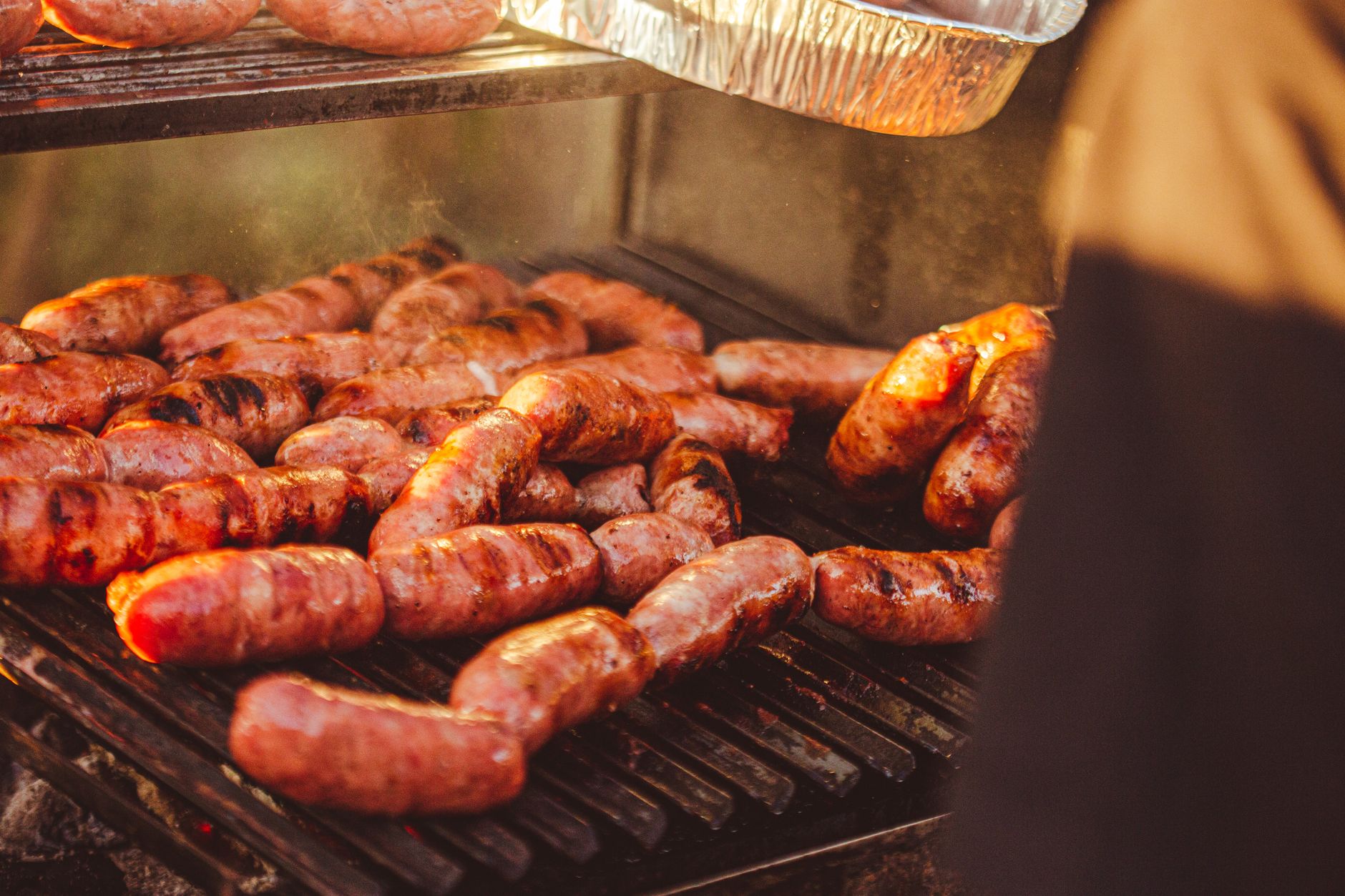
- Grilling: Place the sausages on a preheated grill over medium heat. Grill until heated through, typically 6-8 minutes, turning occasionally.
- Pan-frying: Heat a skillet over medium heat and add a small amount of oil. Sauté the sausages until browned and heated through, about 10-12 minutes.
- Baking: Preheat the oven to 375°F (190°C). Place sausages on a baking sheet and cook for 15-20 minutes or until heated through.
- Boiling: Place sausages in a pot of boiling water and cook for about 8-10 minutes. This is a gentle method that helps in retaining moisture.
Flavor Pairings
Chicken sausage complements a variety of ingredients. Here are some flavor pairings to consider:
- Vegetables: Pair with bell peppers, onions, spinach, or zucchini for a colorful and nutritious meal.
- Grains: Serve with rice, quinoa, or pasta, allowing the sausage flavors to infuse the dish.
- Herbs: Use fresh herbs like parsley, thyme, or basil to enhance the dish’s flavor profile.
Common Chicken Sausage Recipes
Here are a few recipes that showcase the versatility of chicken sausage:
Chicken Sausage and Peppers Skillet
This hearty dish is quick and easy to prepare, making it perfect for weeknight dinners.
Yield: 4 servings
Preparation Time: 10 minutes
Cook Time: 20 minutes
Total Time: 30 minutes
Ingredients
- 4 links of chicken sausage (your choice of flavor)
- 2 bell peppers (any color), sliced
- 1 onion, sliced
- 2 tablespoons olive oil
- Salt and pepper to taste
- Fresh basil for garnish (optional)
Equipment
- Large skillet
- Wooden spoon
- Knife and cutting board
Method
- Heat the olive oil in a large skillet over medium heat.
- Add the sliced onions and bell peppers. Sauté for about 5-7 minutes until they are soft.
- While the vegetables are cooking, remove the casing from the chicken sausages and break them into bite-sized pieces.
- Add the chicken sausage to the skillet. Cook until browned and cooked through, about 10 minutes.
- Season with salt and pepper. Garnish with fresh basil if desired, and serve.
Chicken Sausage and Quinoa Bowl
This bowl combines protein-rich quinoa with savory chicken sausage for a nutritious meal.
Yield: 4 servings
Preparation Time: 10 minutes
Cook Time: 25 minutes
Total Time: 35 minutes
Ingredients
- 4 links of chicken sausage, sliced
- 1 cup quinoa, rinsed
- 2 cups vegetable broth or water
- 1 cup broccoli, steamed
- 1 cup cherry tomatoes, halved
- 2 tablespoons balsamic vinegar
- Salt and pepper to taste
Equipment
- Medium saucepan
- Large skillet
- Wooden spoon
- Knife and cutting board
Method
- In a medium saucepan, bring the vegetable broth or water to a boil. Add the quinoa, reduce heat to low, cover, and simmer for 15-20 minutes until the liquid is absorbed.
- Meanwhile, in a large skillet, add the sliced chicken sausage and cook over medium heat until browned and cooked through, about 10 minutes.
- Once cooked, add the steamed broccoli and cherry tomatoes to the skillet. Stir in the balsamic vinegar, salt, and pepper.
- Serve the sausage and vegetable mixture over the cooked quinoa.
Substituting Ingredients in Chicken Sausage Dishes
If you’re looking to make ingredient substitutions for chicken sausage, here are some options and their potential effects:
- Turkey Sausage: A great alternative with similar flavor and texture, it offers a leaner option.
- Vegetarian Sausage: These substitutes may alter the texture but are excellent for vegetarian dishes. Check the seasoning for added flavor.
- Pork Sausage: For richer flavors, use pork sausage, but be mindful of the increased fat content.
Common Mistakes When Cooking with Chicken Sausage
Here are some pitfalls to avoid when cooking chicken sausage:
- Not checking the label: Always check whether the chicken sausage is precooked or raw to ensure you cook it properly.
- Overcooking: Since many chicken sausages are pre-cooked, overcooking can lead to dryness. Ensure you heat just until warm.
- Ignoring proper temperature: Use a food thermometer where necessary. Precooked chicken sausage should be heated to an internal temperature of 165°F (74°C).
Storing Chicken Sausage
Proper storage of chicken sausage is vital to maintain its quality and safety. Here are some best practices:
Refrigeration
Unopened packages of chicken sausage can generally last in the refrigerator for 1-2 weeks past the sell-by date. Once opened, it’s best to consume the sausage within 3-5 days. Always keep it in its original packaging or a sealed container.
Freezing
If you want to extend the shelf life, chicken sausage can also be frozen. It’s recommended to wrap individual sausages or packages tightly in plastic wrap or aluminum foil before placing them in an airtight container or freezer bag. Frozen chicken sausage can last for up to 6 months.
Thawing
When ready to use frozen chicken sausage, thaw it in the refrigerator overnight for even cooking. If you need it quickly, you can microwave it for a few minutes on the defrost setting, but avoid cooking directly from frozen, as this can result in uneven heating.
Final Thoughts on Chicken Sausage
Chicken sausage is a delicious and versatile ingredient that offers convenience and flavor to various dishes. Whether you’re grilling, sautéing, or adding it to stews, understanding its preparation and handling can help you create well-balanced, hearty meals. Always remember to check if your chicken sausage is precooked, and feel confident incorporating it into your cooking repertoire.
For more information on how to properly store chicken, visit our article on how long chicken is good for in the fridge, or learn about the shelf life of cooked chicken at how long cooked chicken lasts.