
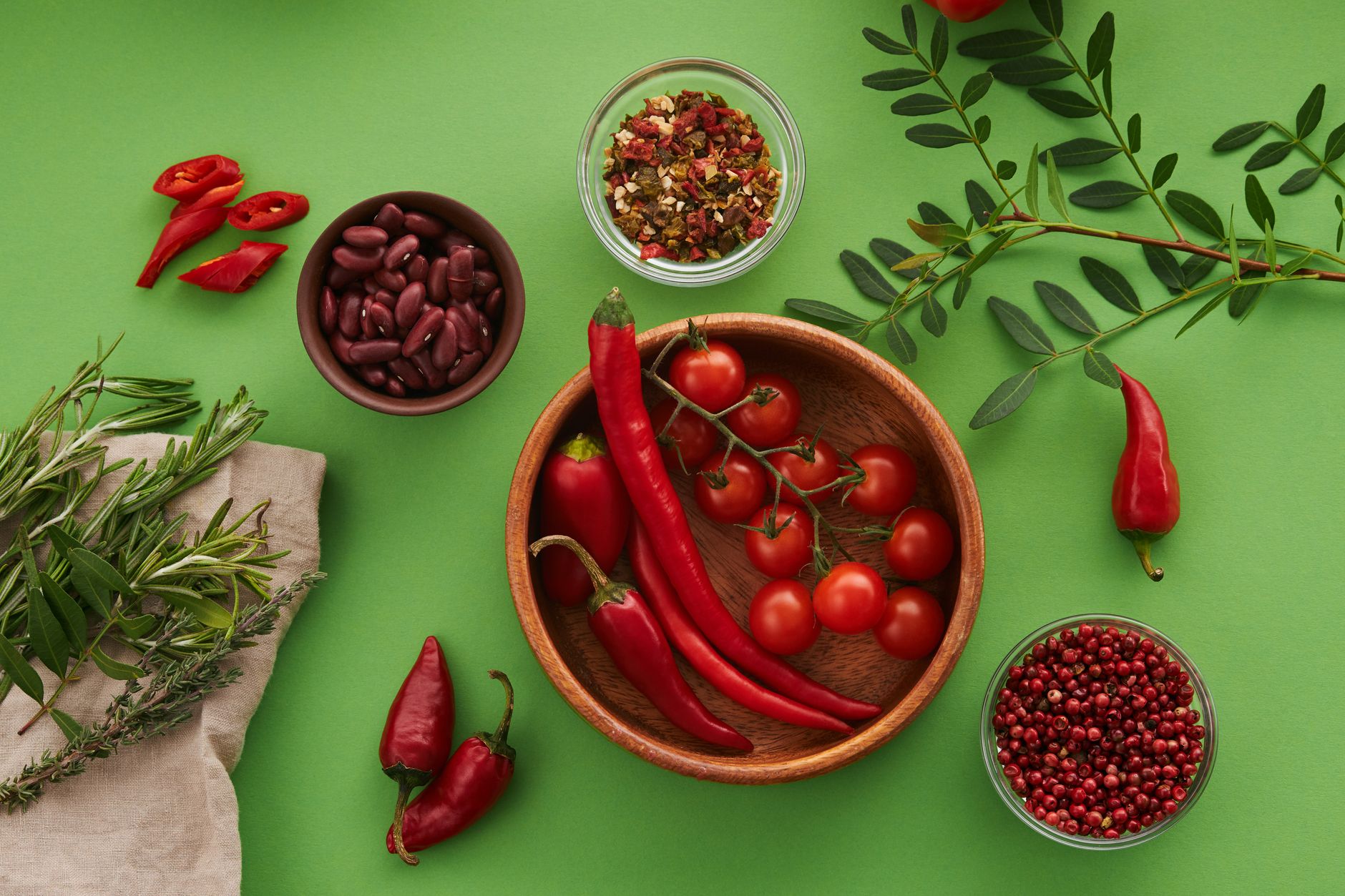
Chili is a beloved dish characterized by its rich flavors and comforting warmth. A classic favorite for gatherings, game day, or a simple family meal, chili often sparks lively debates about its ideal ingredients. One of the most commonly discussed aspects is whether beans should be included in chili or not.
This article delves into the question “Do beans go in chili?” exploring the reasons people either include beans or omit them, how this preference varies regionally, and offers a comprehensive guide on making chili with and without beans.
Do Beans Go in Chili?
Whether or not to include beans in chili often comes down to personal preference and regional traditions. In traditional Texas chili, beans are generally omitted, focusing instead on meat and spices, whereas other regions embrace beans as a key ingredient in their recipes.
The Regional Variations of Chili
Chili has many interpretations based on its regional origins. Understanding these variations can help clarify the debate over beans.
Texas Chili
Texas chili, often referred to as “chili con carne,” is a no-bean dish that emphasizes high-quality meat, typically beef, simmered with spices and peppers. The focus is on creating a deep, comforting flavor profile that relies heavily on the meat and the cooking technique, rather than additional ingredients like beans.
Midwestern & Northern Chili
In contrast, Midwestern and Northern varieties often include beans. Black beans, pinto beans, and kidney beans are popular choices, adding texture, bulk, and a sense of heartiness to each bowl. This version usually appeals more to those who enjoy a thicker, bean-laden stew.
Chili with Beans: The Benefits
Choosing to include beans in your chili can have various benefits:
- Flavor: Beans contribute a creamy texture and earthy tones that complement the spices used in chili.
- Nutritional Value: Beans are a great source of protein, fiber, and essential nutrients, making the dish more filling and nutritious.
- Cost-Effective: Including beans can reduce the overall cost of the dish, making it more budget-friendly.
How to Make Chili with Beans
If you’re convinced that beans belong in your chili, here’s a comprehensive guide on making a delicious bean chili recipe.
Ingredients
- 2 tablespoons olive oil
- 1 medium onion, diced
- 2 cloves garlic, minced
- 1 pound ground beef (or turkey for a lighter option)
- 1 can (15 oz) pinto beans, drained and rinsed
- 1 can (15 oz) black beans, drained and rinsed
- 1 can (14.5 oz) diced tomatoes (with juice)
- 1 can (8 oz) tomato sauce
- 1-2 tablespoons chili powder (to taste)
- 1 teaspoon cumin
- 1 teaspoon smoked paprika
- Salt and pepper, to taste
- Optional toppings: shredded cheese, sour cream, chopped green onions, cilantro
Essential Equipment
- Large pot or Dutch oven
- Wooden spoon or spatula
- Cutting board and knife
Method
- Heat olive oil in a large pot over medium heat. Add the diced onion and sauté until soft and translucent, about 5 minutes.
- Add minced garlic and cook for an additional minute until fragrant.
- Increase the heat to medium-high, add in the ground beef, and cook it until browned, breaking it up as it cooks. Drain excess fat if needed.
- Stir in the chili powder, cumin, and smoked paprika. Season with salt and pepper; cook for 1-2 minutes until the spices are fragrant.
- Add the diced tomatoes, tomato sauce, pinto beans, and black beans. Stir until fully combined.
- Bring the mixture to a simmer, then reduce the heat to low. Cover and let it cook for 30 minutes, allowing the flavors to meld.
- Taste the chili and adjust seasoning as necessary.
- Serve hot, topped with shredded cheese, sour cream, green onions, and cilantro if desired.
Chili Without Beans
For those who prefer a traditional Texas-style chili without beans, here’s how to make a flavorful version.
Ingredients
- 2 tablespoons vegetable oil
- 1 onion, chopped
- 3 cloves garlic, minced
- 1 pound ground beef (or cubed beef for a chunkier texture)
- 2 tablespoons chili powder (adjust based on spice tolerance)
- 1 teaspoon cumin
- 1 can (14.5 oz) crushed tomatoes
- 1 cup beef broth (or water)
- Salt and pepper to taste
- Optional: diced jalapenos for spice, Worcestershire sauce for depth of flavor
Method
- Heat vegetable oil in a pot over medium heat. Add chopped onions and sauté until soft, about 5 minutes.
- Add minced garlic and cook for an additional minute.
- Add the ground beef, breaking it up as it cooks. Cook until the beef is well browned.
- Sprinkle in chili powder, cumin, salt, and pepper, stirring well for 1-2 minutes.
- Stir in crushed tomatoes and beef broth. If desired, add diced jalapenos and Worcestershire sauce.
- Bring to a simmer, then reduce the heat to low. Cover and let it cook for 30-45 minutes, stirring occasionally.
- Adjust seasoning to taste before serving.
Common Mistakes When Making Chili
Making chili may seem straightforward, but several common pitfalls can impact the final product:
- Under-seasoning: Chili requires ample seasoning to balance flavors. Don’t shy away from spices; they should be an integral part of your chili.
- Cooking Too Quickly: Slow cooking allows the flavors to develop fully. Rushing the cooking process can lead to a bland dish.
- Using Canned Beans Incorrectly: Always drain and rinse canned beans to remove excess sodium and avoid a metallic taste.
- Not Tasting As You Go: Tasting helps adjust seasoning and flavors, ensuring an enjoyable finished dish.
Serving Ideas and Pairings
Chili is a versatile dish that can be paired with various sides and served in unique ways:
- With Cornbread: A classic pairing, cornbread adds a sweet, fluffy contrast to spicy chili.
- Over Rice: Serving chili over rice can stretch the dish and add a comforting foundation.
- On Hot Dogs: For a fun twist, use chili as a topping on hot dogs. This is popular at cookouts and sports events.
- Chili Cheese Fries: Drizzling chili over fries with melted cheese creates a hearty, indulgent meal.
Make-Ahead and Storage Tips
Chili is an ideal dish for meal prep. Here are some tips for making it ahead of time and storing it properly:
- Freezing: Chili freezes well, making it perfect for batch cooking. Cool completely before transferring it to airtight containers or freezer bags.
- Add Fresh Ingredients After Freezing: Feel free to save toppings like cheese, sour cream, and chopped herbs for a fresh addition when serving.
- Reheating: Thaw chili in the refrigerator overnight. Heat in a pot over medium heat, stirring occasionally until warm. You may need to add a splash of broth to loosen it up.
Popular Chili Substitutions
Variations abound when it comes to chili, and substitutions can create new flavor dimensions:
- Meats: Swap out ground beef for turkey, chicken, or even plant-based crumbles for a vegetarian version.
- Beans: Experiment with different beans like garbanzo or white beans for unique tastes.
- Spices: Feel free to add additional spices such as oregano, cayenne pepper, or chipotle powder for a smokier flavor profile.
The debate on whether beans belong in chili will likely continue, but what’s essential is that chili should bring warmth and comfort to those who enjoy it. Both versions offer various flavor profiles, textures, and nutritional benefits that can accommodate any palate.
For those interested in trying out various chili recipes, visit this Meat Church Chili recipe or explore the deliciousness of Chili Cheese Fries.