
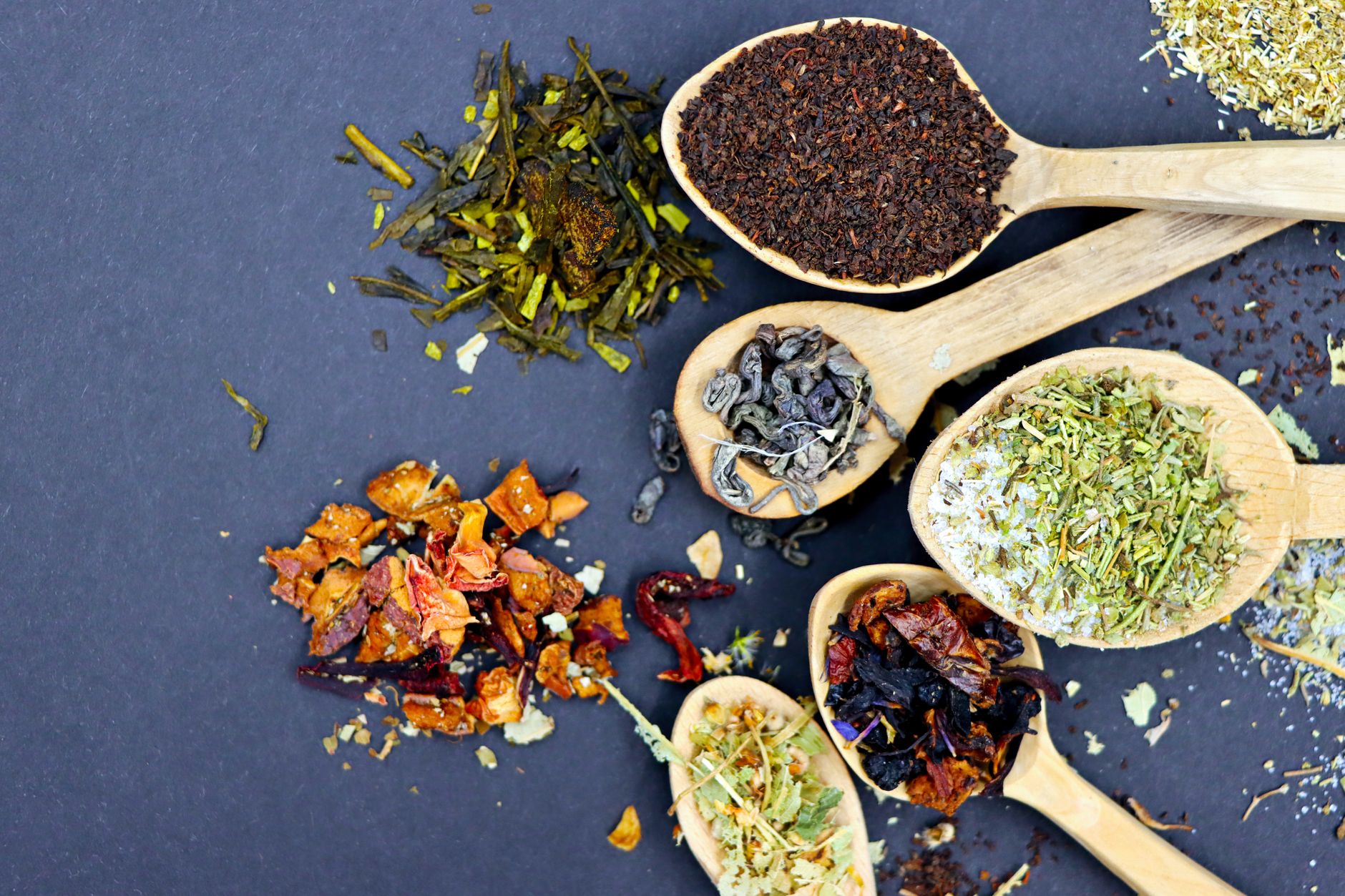
Black tea is one of the most popular types of tea globally, known for its robust flavor and rich color. This fully oxidized tea offers a unique taste profile that varies from region to region, making it a favorite among tea lovers. Beyond its delightful flavor, black tea has a variety of culinary applications and health benefits, making it an essential ingredient in many cultures.
Whether enjoyed as a soothing hot drink or as part of a refreshing iced tea concoction, black tea is versatile in its use. This article delves into what black tea is, its production process, flavor profiles, culinary uses, preparation methods, health benefits, and more.
What Is Black Tea?
Black tea is made from the leaves of the Camellia sinensis plant, which undergoes a process of wilting, rolling, oxidizing, and drying. The oxidation process is crucial because it distinguishes black tea from other types, such as green tea and white tea. This extensive oxidation results in a darker tea with a bolder flavor and higher caffeine content compared to its unoxidized counterparts.
Production Process of Black Tea
The journey of black tea begins on tea plantations, primarily located in regions like Assam in India, Ceylon (Sri Lanka), and Fujian province in China. The production involves several key steps:
- Plucking:
Tea leaves are hand-picked, often selecting just the tender top leaves and buds for the best flavor.
- Withering:
The leaves are spread out to wilt, reducing moisture content and preparing them for rolling.
- Rolling:
Leaves are rolled, bruising them to release essential oils and promoting oxidation.
- Oxidation:
The rolled leaves are then exposed to air to catalyze oxidation, resulting in the characteristic dark color and rich flavor.
- Drying:
Finally, the leaves are dried to halt the oxidation process and preserve their flavor.
Flavor Profile and Varieties of Black Tea
Black tea offers a wide range of flavors influenced by its origin, production method, and blend. Here are a few popular varieties:
- Assam:
Originating from India, Assam tea is known for its malty notes and strong body, often enjoyed with milk.
- Darjeeling:
Often referred to as the “Champagne of teas,” Darjeeling boasts a delicate muscatel flavor and is best enjoyed without milk.
- Ceylon:
From Sri Lanka, Ceylon black tea has bright, citrusy notes and is commonly used in iced teas.
- English Breakfast:
A blend of various black teas, English Breakfast is robust and pairs well with breakfast foods and milk.
- Masala Chai:
This spiced tea blend combines black tea with various spices and herbs, often enjoyed with milk and sugar.
Culinary Uses of Black Tea
Black tea serves as more than just a beverage. Its complex flavors can enhance a variety of culinary creations:
- Infusions:
Black tea can be infused into creams, syrups, or sauces to add depth and flavor to desserts and savory dishes.
- Baking:
Recipes for cakes and cookies can be enhanced by including brewed black tea, adding moisture and flavor.
- Marinades:
Using brewed black tea in marinades can tenderize meat and impart a subtle flavor.
- Ice Cream:
Black tea ice cream is a sophisticated treat that combines creamy sweetness with the tea’s rich flavor.
How to Brew Black Tea
Brewing black tea may seem straightforward, but the right techniques can significantly enhance your experience:
Essential Equipment
- Tea kettle or pot
- Measuring spoon or scale
- Teapot or tea infuser
- Timer
Ingredients Needed
- Loose leaf black tea or tea bags
- Water (filtered or bottled for best flavor)
- Optional: milk, sugar, or sweetener
Brewing Steps
- Start by boiling fresh water. Ideally, use water heated to 200-212°F (93-100°C) for optimal extraction.
- Measure out 1 teaspoon of loose leaf black tea per cup (8 oz) of water or use one tea bag per cup.
- Place the tea leaves or tea bag into your teapot or infuser.
- Pour the hot water over the tea and cover.
- Steep for 3-5 minutes, depending on your taste preference and the type of black tea used.
- Remove the tea leaves or bag and serve. Add milk, sugar, or sweetener if desired.
Common Brewing Mistakes
Even small mistakes can affect the flavor of your black tea:
- Over-steeping:
Leaving the tea to steep too long can lead to bitterness.
- Low water temperature:
Not using hot enough water may prevent the extraction of the full flavor profile.
- Incorrect tea-to-water ratio:
Using too much or too little tea can affect taste strength.
Health Benefits of Black Tea
While the enjoyment of black tea may be primarily for its flavor, it also boasts various health benefits:
- Antioxidants:
Black tea is rich in polyphenols, which can help combat oxidative stress in the body.
- Heart Health:
Regular consumption may support cardiovascular health and help lower blood pressure.
- Caffeine Content:
Black tea has a moderate caffeine level, providing a gentle energy boost without the jitters associated with coffee.
- Improved Focus:
The combination of caffeine and L-theanine in black tea aids cognitive function and focus.
Common Variations and Substitutions
Black tea can be incorporated into various beverages and dishes, offering some flexibility in terms of variations and substitutions:
- Green tea:
While green tea has a lighter taste, it can replace black tea in most recipes, resulting in a refreshing alternative.
- Herbal tea:
For caffeine-free options, herbal teas provide a different flavor profile and can be a good substitute in dessert recipes.
- Chai spice mix:
For a spicier flavor, consider blending black tea with a chai spice mix, enhancing both aroma and taste.
Black Tea Variations in Different Cultures
Black tea is enjoyed worldwide, and different cultures have unique approaches to its preparation and consumption:
British Tea Culture
In the UK, black tea is traditionally served with milk and sugar, creating a rich and creamy beverage often enjoyed during afternoon tea.
Chinese Gongfu Tea Ceremony
The Gongfu tea ceremony emphasizes precision and ritual, where multiple infusions of high-quality black tea are enjoyed in small clay or porcelain teapots.
Indian Chai
In India, black tea is brewed with a combination of spices, milk, and sugar, offering a rich and warming beverage that is a staple in many households.
Southern Iced Tea
In the southern United States, black tea is brewed strong, sweetened heavily, and served over ice with lemon, embodying a refreshing summer drink.
Storage Tips for Black Tea
Proper storage of black tea is vital to maintaining its flavor and freshness:
- Airtight containers:
Store black tea in a cool, dark place in an airtight container to prevent exposure to air, light, and moisture.
- Avoid heat:
Keep tea away from sources of heat, as it can degrade the flavor.
- Check for freshness:
Always check the expiration date and use dried tea within six months to a year for optimal flavor.
Conclusion
Black tea is more than just a drink; it is a cultural experience, a culinary ingredient, and a source of health benefits. Whether savoring a cup in solitude or sharing a pot with friends, black tea has a unique ability to bring people together, showcasing its rich history and delightful variations. To really immerse yourself in the diverse world of tea, consider exploring recipes such as chai concentrate or a delightful London fog.
Explore related recipes, cooking tips, or food guides such as chai concentrate and London fog.