
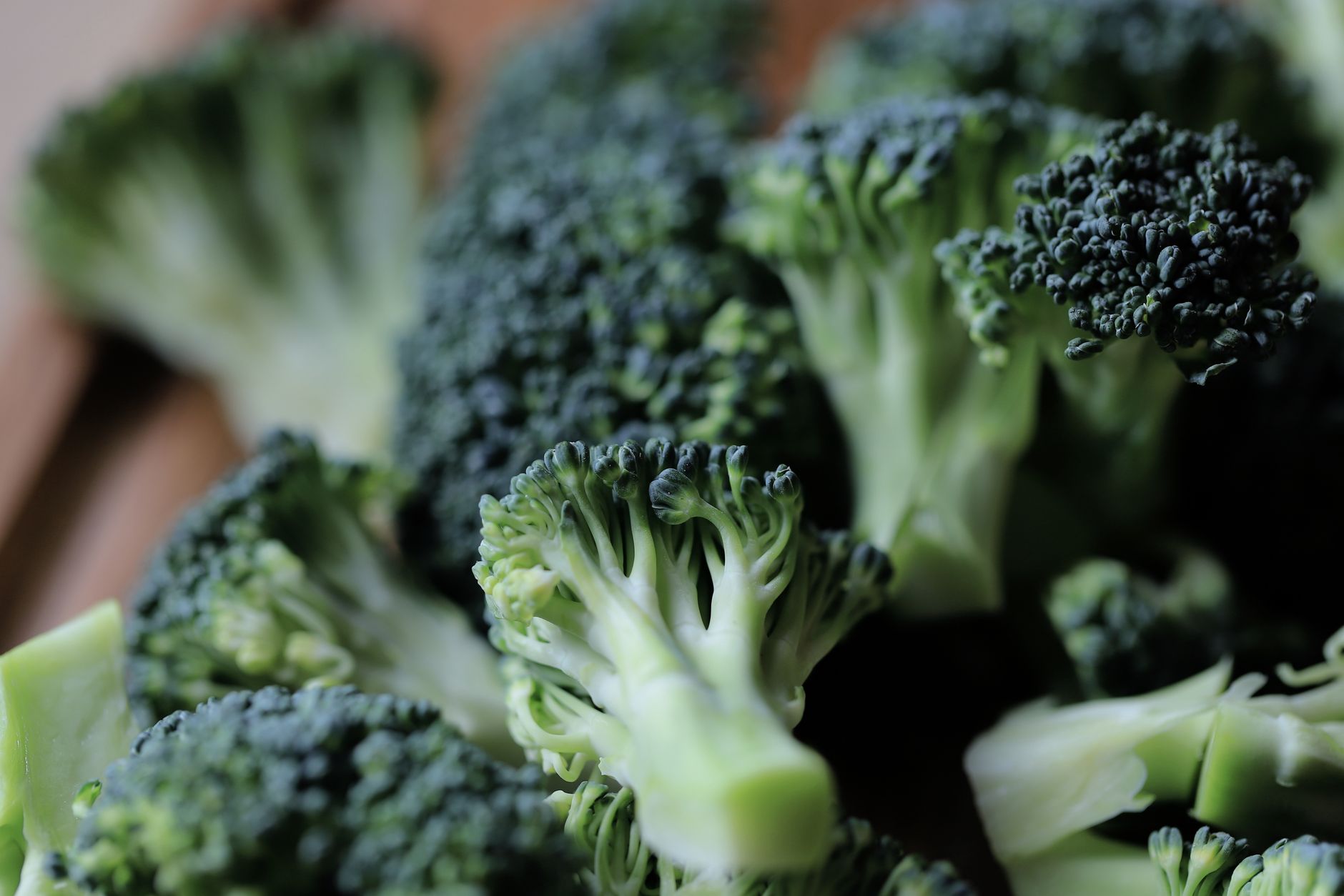
Understanding how long broccoli lasts is crucial for maintaining freshness and minimizing food waste. This article will delve into the shelf life of broccoli, proper storage methods, and tips for preserving its flavor and nutrients. Whether you buy it fresh, frozen, or cooked, knowing how to store and manage broccoli can help you enjoy this nutritious vegetable at its best.
Broccoli, a member of the cruciferous vegetable family, is not only a versatile ingredient but also a powerhouse of vitamins, minerals, and antioxidants. By the end of this guide, you will know how long broccoli lasts in various forms and the best practices for storage.
How Long Does Broccoli Last?
Broccoli can last in your refrigerator for 3 to 7 days when properly stored. If you freeze broccoli, it can last up to 10 to 12 months. Cooked broccoli has a shorter shelf life in the refrigerator, typically lasting about 3 to 5 days. These durations can vary based on the freshness of the broccoli when purchased and how well it is stored.
Factors Affecting Broccoli Shelf Life
Several factors can influence how long broccoli stays fresh:
- Freshness at Purchase: The fresher the broccoli when purchased, the longer it will last.
- Storage Conditions: Proper refrigeration and storage techniques can significantly extend the shelf life of broccoli.
- Ethylene Production: Broccoli can be affected by ethylene gas, which is emitted by certain fruits, like apples and bananas, and can hasten spoilage.
- Pre-Washing: Washing broccoli before storage may introduce moisture, leading to quicker spoilage.
Storage Tips for Fresh Broccoli
To maximize the shelf life of fresh broccoli, follow these storage tips:
- Refrigeration: Store broccoli in the crisper drawer of your fridge. A cool and humid environment is ideal.
- Packaging: Keep broccoli in a plastic bag with holes or a perforated bag to allow for air circulation. Alternatively, wrap it loosely in damp paper towels.
- Avoid Washing: It’s best to wash broccoli just before use rather than before storage to prevent excess moisture.
- Keep Away from Ethylene-Producing Fruits: Store broccoli away from fruits that emit ethylene gas, which can lead to quicker spoilage.
How to Recognize Fresh Broccoli
Selecting fresh broccoli is essential for a longer shelf life. Here are some indicators of freshness:
- Color: Look for deep green, tightly closed florets. Yellowing florets indicate overripeness.
- Stems: Fresh broccoli can have firm stems. Soft or wilted stems are signs of age.
- Texture: Fresh broccoli should be crisp and have a firm texture, not limp or rubbery.
Freezing Broccoli for Longer Shelf Life
If you have an abundance of fresh broccoli or want to prolong its life even further, consider freezing it. Freezing can extend the shelf life to about 10 to 12 months. Here’s how to do it effectively:
Steps to Freeze Broccoli
- Wash: Rinse the broccoli under cold water to remove dirt and pesticides.
- Cut: Chop the broccoli into uniform florets, ensuring even freezing.
- Blanch: Blanch the florets in boiling water for about 2-3 minutes to preserve color and texture. Transfer them to an ice water bath immediately afterward to stop the cooking process.
- Drain and Dry: Drain the broccoli thoroughly and pat it dry with a clean kitchen towel.
- Bags or Containers: Place the blanched broccoli in freezer-safe bags or airtight containers, removing as much air as possible before sealing.
- Label: Label the bags or containers with the date to keep track of freshness.
How to Store Cooked Broccoli
Cooked broccoli has a shorter shelf life than raw. Here’s how to properly store it:
- Refrigeration: Store cooked broccoli in an airtight container to prevent moisture loss and odors from affecting the flavor.
- Cooling: Allow the cooked broccoli to cool to room temperature before refrigerating, but do not leave it out for more than two hours to reduce the risk of bacterial growth.
Signs of Spoiled Broccoli
Even with the best storage practices, broccoli can spoil. Look for these signs to determine if broccoli has gone bad:
- Color Changes: If the florets have turned yellow or brown, it’s a sign that the broccoli is past its prime.
- Softness: If the broccoli feels mushy to the touch, it’s likely spoiled.
- Odor: A strong, unpleasant smell indicates that the broccoli is no longer good to eat.
Using Broccoli Before It Goes Bad
To prevent waste, here are some ideas for using up broccoli before it spoils:
- Stir-Fries: Add broccoli to stir-fries with other vegetables and proteins for a quick meal.
- Soups and Stews: Incorporate broccoli into soups or stews for added nutrition and flavor.
- Salads: Use raw broccoli in salads for a crunchy texture. You can steam or blanched it slightly for a different flavor profile.
- Broccoli Pesto: Utilize broccoli by blending it into pesto and serving over pasta or as a spread.
Common Mistakes When Storing Broccoli
When it comes to broccoli storage, there are a few common mistakes to avoid:
- Washing Before Storage: As mentioned, avoid washing broccoli before storing to prevent excess moisture.
- Ignoring Temperature: Storing broccoli in a warm area instead of the refrigerator can hasten spoilage.
- Storing with Ethylene-Producing Fruits: Keep broccoli separate from fruits that release ethylene gas to maintain freshness.
How Long Can Broccoli Last in Different Forms?
Raw Broccoli
Raw broccoli lasts 3 to 7 days in the fridge when stored properly. To extend its life, use the storage tips provided above.
Cooked Broccoli
Cooked broccoli should be consumed within 3 to 5 days when kept in the refrigerator in airtight containers.
Frozen Broccoli
Frozen broccoli can remain good for 10 to 12 months. Make sure to blanch and properly store it to avoid freezer burn.
Frequently Asked Questions About Broccoli Storage
Can you eat broccoli after it turns yellow?
While yellow broccoli is not necessarily harmful, it is a sign that it is past its peak freshness. For best flavor and texture, it’s advisable to consume broccoli while it’s still green.
Can you store broccoli with other vegetables?
Broccoli should be stored separately from certain vegetables and fruits that produce ethylene gas, which can lead to premature spoilage.
Conclusion
Broccoli is a nutritious and versatile vegetable that can last several days in the refrigerator or much longer when frozen. Proper storage practices are essential to maximize freshness and prevent waste. Ensure that you check for signs of spoilage so you can enjoy broccoli at its best. Consider cooking with broccoli in various dishes, from stir-fries to soups, to make the most out of your purchase.
Explore more about how to keep your food fresh with our article on how long chicken lasts in the fridge and discover the carbohydrate content of broccoli in our guide on broccoli and carbs.