
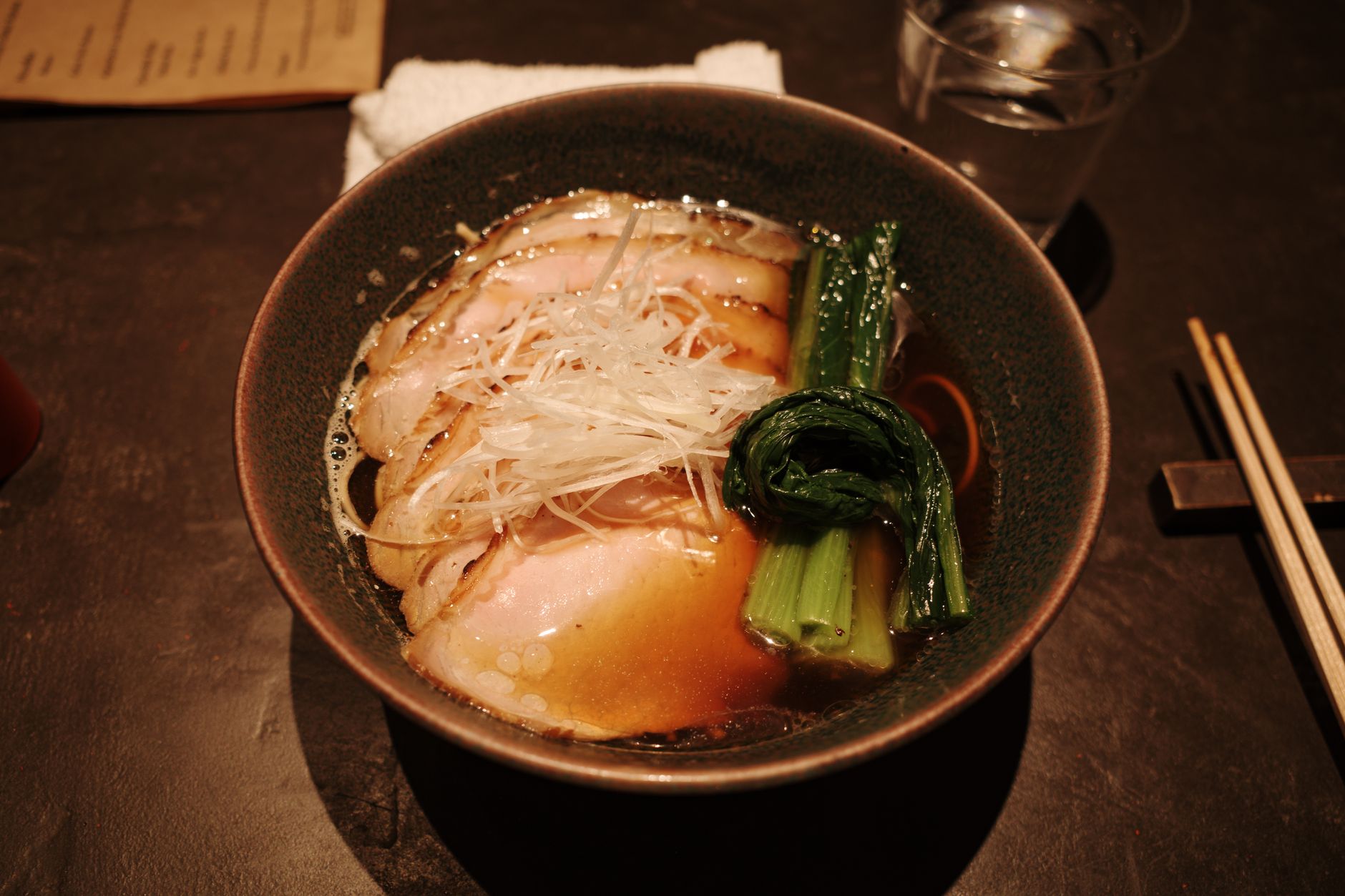
Shoyu ramen is a classic Japanese noodle soup characterized by its soy sauce-based broth. Known for its rich umami flavor, this dish has become a staple in ramen shops worldwide. The combination of tender noodles, savory broth, and an array of toppings creates a satisfying experience for noodle enthusiasts.
This article will delve into the essential components of shoyu ramen, explore its history, and provide tips for making it at home. Whether you’re a seasoned chef or a beginner, this guide will equip you with everything you need to know about shoyu ramen.
What Is Shoyu Ramen?
Shoyu ramen is a type of ramen that features a broth flavored primarily with soy sauce (shoyu). This distinct flavor sets it apart from other ramen types, such as miso or shio ramen. The broth is typically made from a combination of meat, seafood, and vegetables simmered for hours, allowing the flavors to meld beautifully.
Shoyu ramen is often garnished with a variety of toppings, including sliced chashu (braised pork), green onions, nori (seaweed), boiled eggs, and menma (bamboo shoots). This dish is not only comforting but also offers a pleasing balance of flavors and textures that can appeal to a wide range of palates.
The History of Shoyu Ramen
The roots of shoyu ramen can be traced back to the early 20th century in Japan. It is believed to have originated in Yokohama, where Chinese immigrants began serving noodle soups flavored with soy sauce. This form of ramen quickly gained popularity and evolved over time, influencing the flavor profiles and preparation methods throughout Japan.
In the post-war era, shoyu ramen solidified its place in Japanese cuisine, with numerous regional variations emerging. Each area brought its own unique touch to the base recipe, using local ingredients to create distinct interpretations of shoyu ramen that showcase their flavors and traditions.
Key Ingredients in Shoyu Ramen
Understanding the essential ingredients of shoyu ramen is fundamental to recreating this dish successfully. Below are the primary components:
- Noodles: Ramen noodles come in various thicknesses and shapes. For shoyu ramen, straight, medium-thick noodles are often preferred for their ability to hold the broth.
- Broth: The foundation of shoyu ramen is a rich broth made from a combination of chicken, pork, fish, or vegetables. A soy sauce base is typically added, giving it a signature savory flavor.
- Soy Sauce: Shoyu is the star of this dish, imparting depth and richness to the broth. The type of soy sauce used can vary; darker varieties provide more intense flavors.
- Tare: This concentrated seasoning sauce usually includes soy sauce, mirin, and sake. It is mixed with the broth to enhance the flavor.
- Mirin: A sweet rice wine, mirin adds an element of sweetness to balance the salty soy sauce.
- Toppings: Common toppings include chashu (braised pork), menma (bamboo shoots), green onions, nori (seaweed), and ajitama (soft-boiled eggs).
How to Make Shoyu Ramen
Making shoyu ramen at home requires some time and patience; however, the result is a comforting bowl of noodles that are worth the effort. Below is a comprehensive step-by-step guide to preparing shoyu ramen:
Ingredients
For the broth:
- 1 lb chicken bones
- 1 lb pork bones
- 1/2 lb kombu (dried seaweed)
- 1 onion, halved
- 2 cloves garlic, smashed
- 1-inch piece of ginger, sliced
- Water (enough to cover the bones)
For the tare:
- 1/2 cup soy sauce
- 1/4 cup mirin
- 2 tablespoons sake
For the noodles and toppings:
- 4 servings ramen noodles
- 1/2 lb chashu (braised pork)
- 2 soft-boiled eggs, halved
- 2 green onions, chopped
- Nori sheets
- Menma or pickled bamboo shoots
Equipment Needed
- Large stock pot
- Strainer
- Mixing bowl
- Whisk
- Kettle for boiling water
Step-by-Step Method
- Prepare the Broth: In a large stock pot, combine chicken bones, pork bones, onion, garlic, and ginger. Cover with water and bring to a boil over high heat.
- Once boiling, reduce the heat to a simmer. Skim off any foam that forms on the surface. Allow the broth to simmer for about 6-8 hours, covered, preferably overnight for fuller flavor.
- After simmering, strain out the solids using a strainer. Discard the solids and return the liquid to the pot.
- Make the Tare: In a separate mixing bowl, combine soy sauce, mirin, and sake. Whisk together until combined. Set aside.
- Combine Broth and Tare: Add the tare to the strained broth, mixing well to incorporate the flavors. Adjust the flavor profile as needed by adding more soy sauce or mirin.
- Cook the Noodles: In a kettle of boiling water, cook the ramen noodles according to package instructions. Typically, this takes about 3-4 minutes for fresh noodles. Once cooked, drain and rinse under cold water to stop the cooking process.
- Assemble the Ramen: In a serving bowl, place a portion of cooked noodles. Ladle hot broth over the noodles to cover.
- Finally, add your desired toppings, including chashu, soft-boiled eggs, green onions, nori, and menma.
Practical Tips for At-Home Shoyu Ramen
Creating shoyu ramen from scratch might seem daunting, but with some practical tips, you can enhance your cooking experience:
- Use High-Quality Ingredients: The flavor of your broth depends heavily on the quality of the bones and soy sauce. Opt for fresh, organic ingredients if possible.
- Plan Ahead: Broth-making is a time-consuming process. Consider preparing your broth a day in advance to enhance flavors and make the final assembly quicker.
- Experiment with Toppings: While traditional toppings are delicious, feel free to experiment with others like corn, spinach, or even spicy mustard greens for a personal touch.
- Store Leftovers Properly: Broth can be stored in the refrigerator for up to a week or frozen for several months. Cooked noodles, however, are best enjoyed fresh.
Common Mistakes to Avoid
While making shoyu ramen, be aware of these common mistakes to ensure the best results:
- Not Skimming the Broth: Skimming off impurities while simmering helps create a clear, flavorful broth. Neglecting this step can lead to a cloudy, less appealing result.
- Using Low-Quality Soy Sauce: Since soy sauce is a primary flavoring agent, using low-quality soy sauce can affect the overall taste of your ramen.
- Skipping the Tare: Disregarding the tare can result in a broth that lacks depth. Always incorporate tare in the final mix for optimal flavor.
- Overcooking Noodles: Pay close attention to cooking times for the noodles to avoid a mushy texture that won’t hold up in the broth.
Storage and Reheating Guidelines
If you have leftover shoyu ramen components, follow these guidelines for storage and reheating:
- Broth: Store in an airtight container in the refrigerator for up to one week or freeze for up to three months. When reheating, bring it up to a simmer on the stovetop.
- Noodles: If stored separately, leftover noodles can be refrigerated for 1-2 days. Reheat them in boiling water for a few seconds to restore texture.
- Toppings: Store toppings separately. Chashu can be reheated in warm broth or a microwave, while boiled eggs should be consumed within a couple of days for the best taste.
Variations of Shoyu Ramen
While classic shoyu ramen is delicious on its own, there are several variations that you can try to keep things fresh:
- Tokyo-style Shoyu Ramen: Characterized by a clear, soy sauce-based broth with a lighter flavor profile, often featuring a mix of chicken and seafood, and topped with narutomaki (fish cake).
- Hakata-style Shoyu Ramen: This variation uses a richer pork broth and tends to feature thicker noodles. It is often topped with spicy seasonings and may include a more robust tare.
- Vegetarian Shoyu Ramen: Substitute meat-based broth with vegetable stock and use vegan toppings like tofu, mushrooms, and assorted vegetables to create a plant-based version of shoyu ramen.
Serving Suggestions
Shoyu ramen is best enjoyed fresh and hot, often served with a side of gyoza or pickled vegetables. Pair your ramen with a refreshing beverage like iced green tea or a light sake to balance the meal.
When inviting friends or family to enjoy homemade ramen, consider creating a “ramen bar” setup. Offer multiple toppings, so everyone can customize their bowls according to their taste preferences.
Conclusion
In exploring the world of shoyu ramen, you gain an appreciation for the rich flavors and traditions that come with this beloved dish. Whether you opt to prepare it from scratch or try regional variations, shoyu ramen offers endless possibilities for creativity in the kitchen.
This article provides a comprehensive overview of shoyu ramen, from its origins to essential preparation techniques. For a creamy twist on this classic, check out our creamy ramen recipe. If you’re curious about enhancing the flavor profile of your ramen, visit our ramen seasoning recipe for more ideas.