
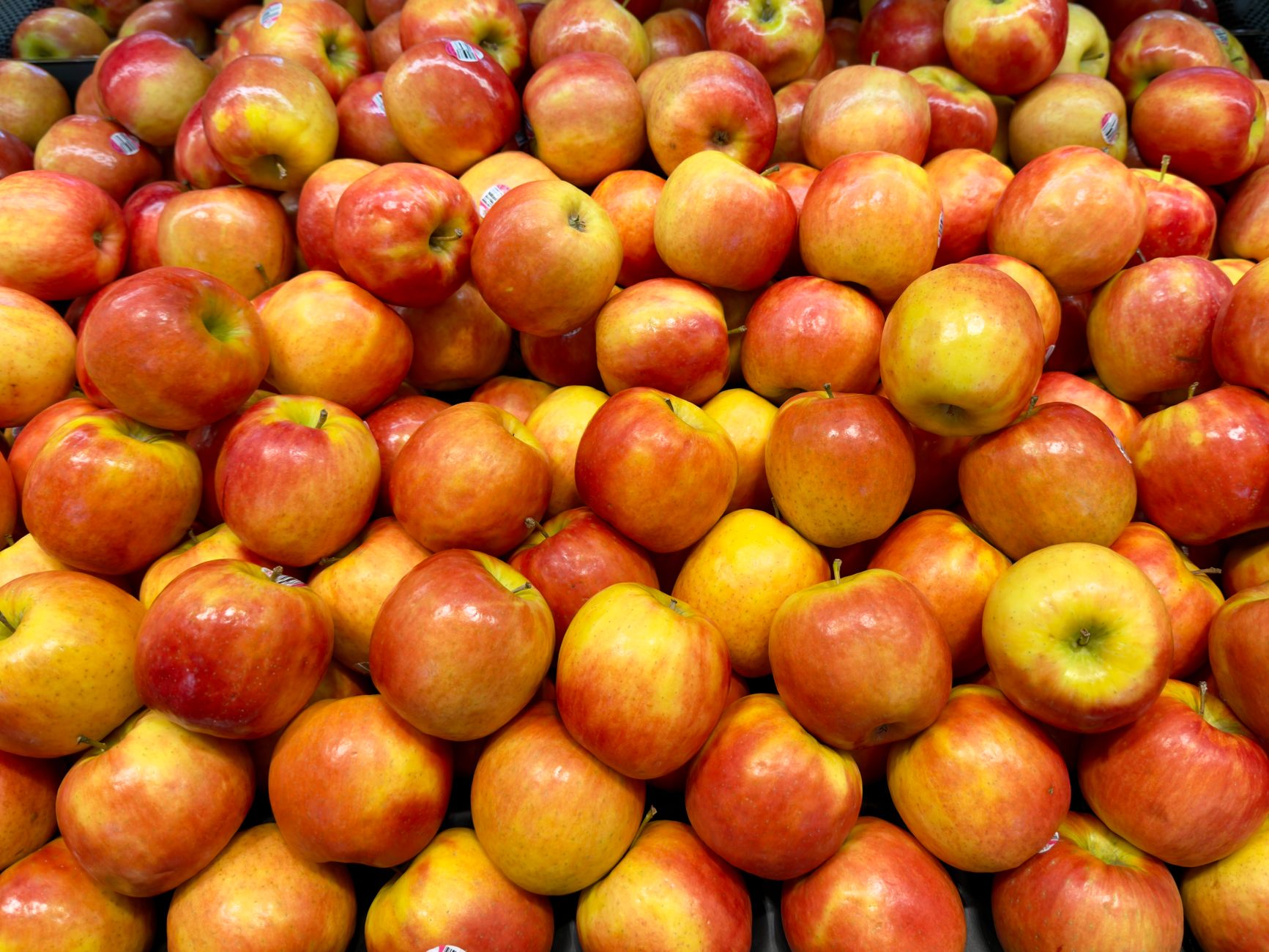
Apples are a popular and nutritious fruit enjoyed by many around the world. They come in various varieties, each with its distinct flavor, texture, and level of sweetness. Understanding the caloric content of apples can help you make informed dietary choices, particularly if you’re watching your calorie intake or trying to maintain a balanced diet.
This article explores how many calories an apple has based on its size and type, the nutritional benefits of apples, and how they can fit into different meal plans. We will provide practical tips for incorporating apples into your daily diet while keeping track of your calorie consumption.
How Many Calories Does An Apple Have?
The caloric content of an apple varies depending on its size and variety, but a medium-sized apple (approximately 182 grams) generally contains about 95 calories. Smaller apples, such as a small Fuji, may have around 77 calories, while larger apples, like a big Honeycrisp, can have upwards of 115 calories.
Here’s a quick breakdown of calories based on apple size:
- Small apple (4 oz / 113 g): approximately 77 calories
- Medium apple (6 oz / 182 g): approximately 95 calories
- Large apple (8 oz / 227 g): approximately 115 calories
Understanding Caloric Content in Apples
When evaluating the calories in apples, it’s essential to consider not only the fruit’s weight but also its variety. Different apples can have different sugar contents which influences their calorie counts. For instance, a sweet Gala apple may have a higher caloric content compared to a tart Granny Smith apple of the same size.
Nutritional Breakdown of an Apple
Alongside calories, apples offer a wealth of nutrients that contribute to their health benefits. A medium-sized apple typically provides:
- About 25 grams of carbohydrates
- 4 grams of dietary fiber
- Keep approximately 0 grams of fat
- Less than 1 gram of protein
- Vitamin C, potassium, and various antioxidants
The dietary fiber found in apples aids digestion and can help keep you feeling full, making them a great option for snacking or adding to meals.
Health Benefits of Apples
While the focus is on calories, apples provide numerous health benefits that make them a worthwhile addition to your diet. Here are some advantages of eating apples:
- Rich in Antioxidants: Apples contain antioxidants like quercetin and catechin, which can help reduce inflammation and combat oxidative stress.
- Heart Health: The soluble fiber in apples helps to lower cholesterol levels, which can contribute to overall heart health.
- Weight Management: Apples are low in calories and high in fiber, making them satiating and an excellent choice for those looking to manage their weight.
- Blood Sugar Control: The fiber content can aid in regulating blood sugar levels, making apples a good snack choice for those managing diabetes.
Incorporating Apples into Your Diet
Now that you understand the caloric content and benefits of apples, you might wonder how to incorporate them into your daily meals and snacks effectively. Here are some practical tips:
Snacking
Fresh apples can be a great snack on their own. Pair them with a tablespoon of nut butter for a satisfying combination of protein and healthy fats. This addition will only slightly increase your calories while enhancing flavor and nutrition.
Breakfast
Slice apples and add them to your morning oatmeal or yogurt. Not only will this boost the flavor, but it will also infuse your meal with extra fiber and nutrients. A medium apple can be sliced and mixed into a bowl of oatmeal, making for a deliciously filling breakfast.
Salads
Chopped apples can add a crisp texture and a hint of sweetness to salads. Combine them with greens, nuts, cheese, and a light vinaigrette for a refreshing and nutritious meal.
Baking and Cooking
In cooking and baking, apples are incredibly versatile. They can be used in dishes like apple compote, pies, and even savory dishes like roasted pork with apples. Keep in mind that cooking methods can alter the calorie content, especially if sugar or butter is added.
Apple Variety Comparison
Understanding the differences among apple varieties can help you make better choices based on your taste and dietary goals. Here’s a comparison of a few common varieties:
| Apple Variety | Calories (Medium Size) | Taste Profile |
|---|---|---|
| Fuji | 100 | Sweet and crisp |
| Gala | 95 | Sweet and juicy |
| Granny Smith | 80 | Tart and crisp |
| Honeycrisp | 115 | Sweet and tart |
Recipes Incorporating Apples
If you’re looking for delicious ways to enjoy apples while keeping health in mind, consider these healthy recipes:
Apple Compote
This easy apple compote is a fantastic way to use up fresh apples. It can be served on pancakes, yogurt, or as a side dish.
- 4 medium apples (any variety), peeled, cored, and chopped
- 1/2 cup water
- 2 tablespoons maple syrup or brown sugar (optional)
- 1 teaspoon cinnamon
- In a medium saucepan, combine apples, water, maple syrup (if using), and cinnamon.
- Cook over medium heat, stirring occasionally, until the apples are soft and the mixture thickens, about 15-20 minutes.
- Remove from heat and let cool slightly before serving.
Apple Dump Cake
This easy dessert combines apples with a cake mix for a simple yet delightful treat.
- 3 cups sliced apples (fresh or canned)
- 1 cup sugar
- 1 box yellow cake mix
- 1/2 cup butter, melted
- Preheat your oven to 350°F (175°C).
- Layer sliced apples in the bottom of a greased 9×13 inch baking dish.
- Sprinkle sugar over the apples, and then evenly distribute the dry cake mix on top.
- Pour melted butter over the cake mix.
- Bake for 40-45 minutes or until golden brown.
Common Mistakes When Choosing Apples
When buying or preparing apples, it’s easy to make a few common mistakes that can affect both flavor and nutrition:
- Choosing the Wrong Variety: Selecting an apple based on looks instead of flavor or sweetness can lead to disappointment. Always consider the intended use and personal taste.
- Not Washing Apples: Always wash apples thoroughly before eating or using them in recipes to remove pesticides and wax coatings.
- Overcooking Apples: If you’re cooking apples, be cautious not to overcook them. This can lead to mushy texture and loss of nutrients.
Storage and Freshness
To enjoy apples at their best, it’s vital to store them properly:
- Store apples in a cool, dry place away from direct sunlight. They do best in the refrigerator’s crisper drawer.
- To maintain crispness, keep apples away from other fruits, as they emit ethylene gas which can cause apples to ripen too quickly.
- Apples can last a week to several weeks, depending on the variety and storage conditions.
Conclusion
Understanding the caloric content of apples can help you enjoy this nutritious fruit while reaching your dietary goals. With around 95 calories for a medium-sized apple, they are a smart choice for healthy snacking, cooking, or adding to your meals. By incorporating them into various recipes, you can take advantage of their flavors and health benefits.
For more delicious ideas, check out our apple compote recipe or try making a yummy apple dump cake for a sweet treat. Enjoy the crunch and the numerous health benefits that apples have to offer!