
Canola oil is a commonly used cooking oil, appreciated for its high smoke point and mild flavor. However, its health implications have started to raise eyebrows. Understanding the potential downsides of canola oil is crucial for making informed choices about your cooking and overall diet.
This article will delve into why some experts consider canola oil to be less than ideal for health, addressing its composition, manufacturing processes, and potential health impacts.
Why Is Canola Oil Bad For You?
Canola oil is viewed as problematic mainly due to its processing methods, fatty acid composition, and potential contaminants. It is high in omega-6 fatty acids, which can lead to an imbalance in the omega-6 to omega-3 ratio in the diet. Furthermore, if canola oil is not organic, it may contain harmful residues from pesticides.
Additionally, some studies suggest that consuming large amounts of canola oil could contribute to inflammation and other health issues. This raises concerns, particularly among those looking to maintain optimal health through dietary choices.
Understanding Canola Oil: Production and Composition
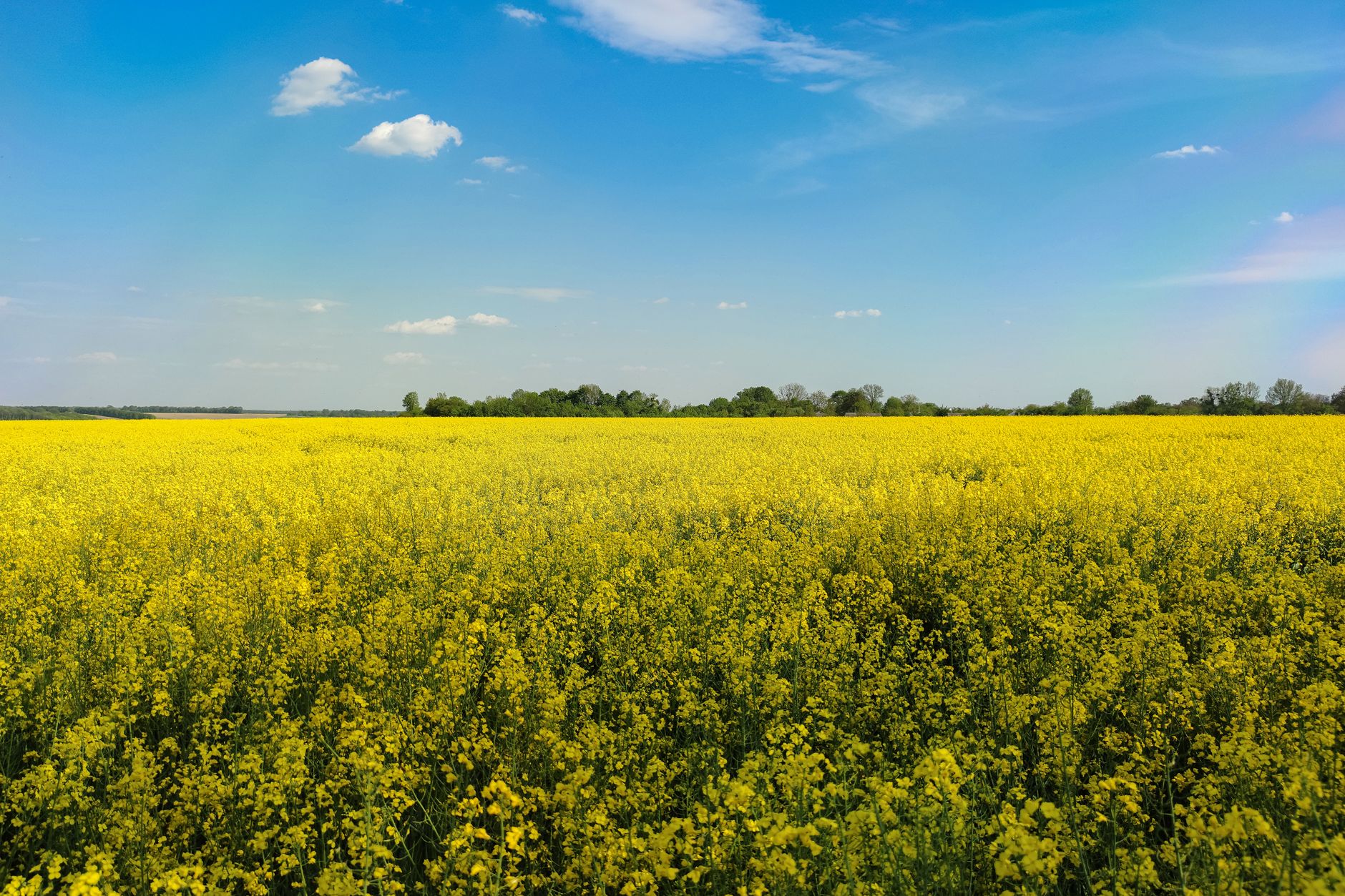
To fully appreciate the health concerns surrounding canola oil, it’s vital to know how it is produced and what it’s made from. Canola oil is derived from the seeds of the canola plant, a type of rapeseed selectively bred to have lower levels of erucic acid, which can be harmful in large amounts.
The production process typically involves the following:
- Harvesting: Seeds are collected from canola plants, which are engineered for optimal oil production.
- Extraction: The oil is extracted from the seeds using mechanical pressing or chemical solvents, usually hexane. The latter is less desirable due to potential residue.
- Refining: The crude oil undergoes refining processes to remove impurities, odor, and color. This often involves treatment with chemicals and bleaching agents.
This extensive processing means that canola oil may not retain many nutrients, leading to a product that is largely devoid of its original health benefits.
The Fatty Acid Profile of Canola Oil
The fatty acid composition of canola oil plays a critical role in its health impacts. Canola oil is high in omega-6 fatty acids and contains a modest amount of omega-3 fatty acids:
- Omega-6 Fatty Acids: While essential, our diets often contain too much omega-6, leading to inflammatory processes.
- Omega-3 Fatty Acids: Canola oil has some omega-3 content, but it’s significantly lower compared to other oils, like flaxseed oil or fish oil.
Balancing these fatty acids is important for maintaining good health. An excessive intake of omega-6s can promote inflammation and various chronic diseases, including heart disease, diabetes, and even certain cancers.
Pesticides and Genetic Modification
Most canola oil on the market is made from genetically modified organisms (GMOs). This has raised concerns about health and environmental impacts. Additionally, non-organic canola oil may contain pesticide residues, which could pose health risks. Here’s why these factors matter:
- GMO Concerns: Some studies suggest that GMOs may have unintended side effects, including allergic reactions and other health implications.
- Pesticide Residue: Pesticides used in the growth of canola can linger in the oil, making it a potential source of harmful compounds.
Choosing organic and non-GMO canola oil may mitigate some of these concerns, but it’s worth noting that processing still impacts the oil’s overall benefits.
Potential Health Risks Associated with Canola Oil
Canola oil has been linked to several health risks due to its processing and fatty acid composition. Here are some of the main concerns:
- Inflammation: High omega-6 consumption has been associated with inflammatory responses in the body, which can lead to chronic diseases.
- Heart Health: Some studies indicate that a high intake of canola oil may negatively affect lipid profiles, raising unhealthy cholesterol levels.
- Weight Gain: Canola oil is calorie-dense, and excess consumption can contribute to weight gain, which is a risk factor for various health problems.
It’s crucial to keep in mind that moderation is key. While canola oil might have some health risks, the overall diet and lifestyle choices play a larger role in health outcomes.
Alternatives to Canola Oil
If you’re looking to limit or eliminate canola oil from your cooking, there are several healthier alternatives that you can consider:
- Olive Oil: Rich in monounsaturated fats and antioxidants, olive oil is a celebrated choice for heart health.
- Coconut Oil: Though high in saturated fat, coconut oil has unique properties that may benefit metabolism and brain health.
- Avo oil: Similar to olive oil, avocado oil is heart-healthy and has a high smoke point, making it versatile for various cooking methods.
Each of these oils has its unique flavor profile and benefits, so experimenting with them in your cooking could add diversity to your meals while enhancing health.
How to Cook Healthily Without Canola Oil
If you decide to stop using canola oil, consider the following cooking methods and healthy alternatives:
- Use Healthy Oils: Substitute with olive oil, avocado oil, or even ghee for frying and sautéing.
- Explore Non-Oil Cooking Techniques: Baking, steaming, grilling, and roasting can reduce or eliminate the need for oil altogether.
- Flavor with Herbs and Spices: Instead of relying on oil for flavor, enhance your dishes with fresh herbs and spices.
These methods not only reduce oil consumption but also add nutrient density to your meals.
Common Mistakes When Cooking with Oils
Using oils effectively in cooking can be challenging. Here are some common mistakes and how to avoid them:
- Using the Wrong Oil for Cooking Techniques: Ensure that the oil you are using has a smoke point suited for the cooking method (e.g., frying requires oils with higher smoke points).
- Overheating Oil: Overheated oil can release harmful compounds. Always monitor heat levels to prevent this.
- Not Storing Oils Properly: Oils should be kept in a cool, dark place to prevent rancidity.
By avoiding these pitfalls, you can enhance your cooking and ensure your oils retain their health benefits.
Conclusion
Canola oil has unique qualities that make it popular in many kitchens worldwide, yet its health implications are significant enough to warrant caution. From its production method to omega-6 content and potential contaminants, understanding its downsides can help you make informed dietary choices.
Ideal cooking oils should have a balanced fatty acid profile, minimal processing, and offer additional health benefits. By exploring healthier alternatives and cooking techniques, you can maintain a nutritious and flavorful kitchen strategy. Consider making that switch away from canola oil to protect your health in the long run.
For insights on substituting canola oil in your cooking, check out alternatives to vegetable oil. If you’re curious about the effects of other common ingredients, visit our article on the health risks of mayonnaise. These resources can further guide your journey toward healthier cooking and better ingredient choices.