
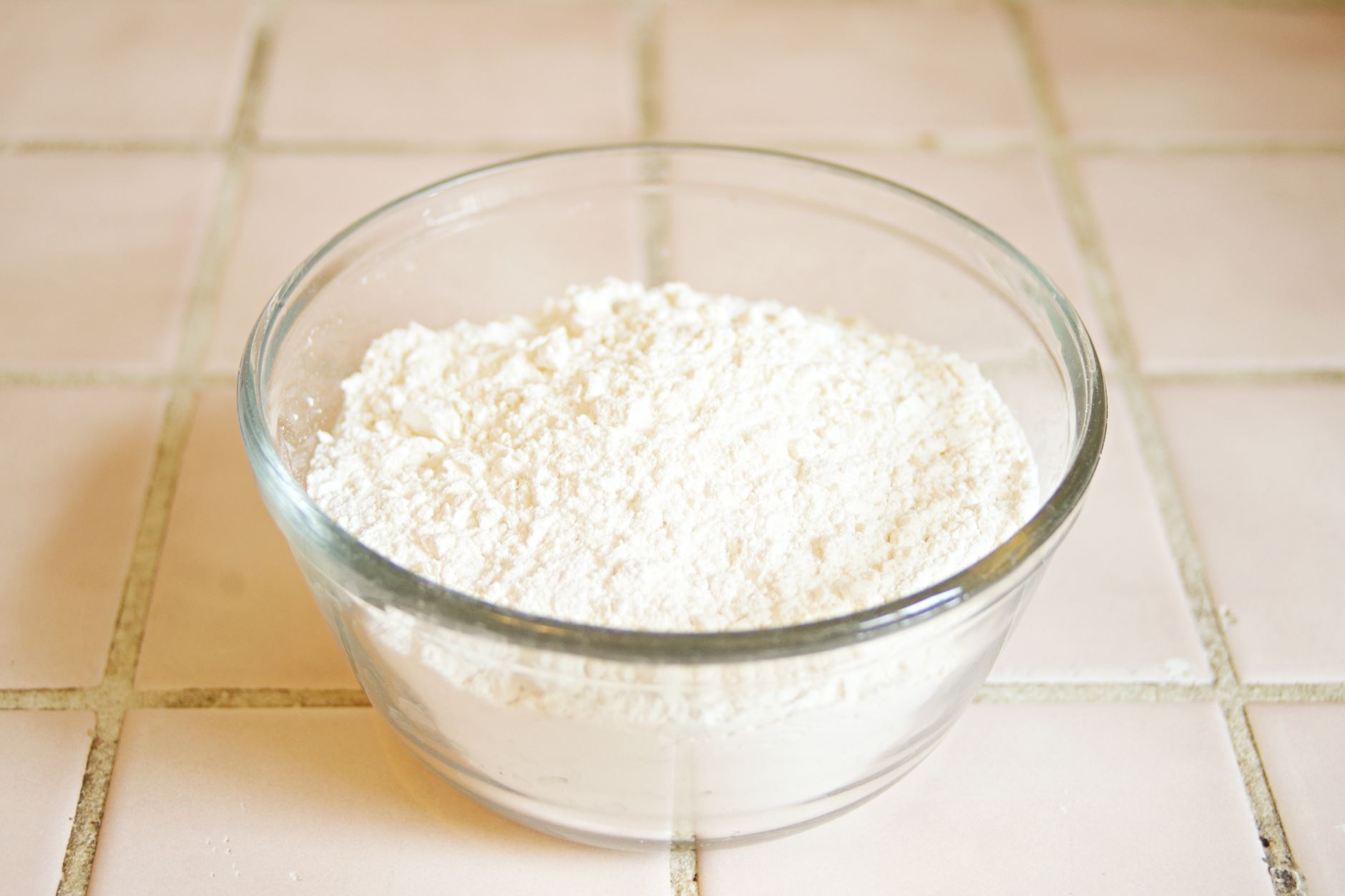
Understanding flour types is crucial for baking enthusiasts, especially when considering gluten-free options. One common question that arises is whether unbleached flour is gluten free. This article explores the characteristics of unbleached flour, its gluten content, and what it means for those with gluten sensitivities or celiac disease.
As you navigate through this guide, you’ll gain insight into gluten, the differences between bleached and unbleached flour, and practical tips for selecting safe flour alternatives. Let’s delve into the details!
Is Unbleached Flour Gluten Free?
No, unbleached flour is not gluten free. It is primarily made from wheat, which contains gluten. This means that those with gluten sensitivities or celiac disease should avoid unbleached flour, just as they would with bleached flour.
What is Gluten and Why Is It Important?
Gluten is a protein found in wheat and related grains, such as barley and rye. It gives dough its elasticity, helping it rise and maintain its shape. For most people, gluten is safe to consume; however, some individuals cannot process gluten effectively.
Conditions like celiac disease, non-celiac gluten sensitivity, and wheat allergies can make gluten consumption harmful. Symptoms may include gastrointestinal distress, fatigue, and skin rashes, making it essential for affected individuals to follow a strict gluten-free diet.
What is Unbleached Flour?
Unbleached flour is a type of flour that has not undergone the bleaching process, a common procedure where flour is treated with chemicals to whiten and soften it. Instead, unbleached flour retains its natural color and contains slight amounts of carotenoids from the wheat kernel.
In baking, unbleached flour is valued for its richer flavor and natural protein content. It’s often recommended for bread-making, pastries, and other baked goods where a more robust flavor and texture are desired.
Comparison: Bleached vs. Unbleached Flour
The primary difference between bleached and unbleached flour lies in the processing:
- Bleached Flour: Treated with chemicals (like benzoyl peroxide or chlorine gas) to accelerate aging, resulting in a whiter appearance and softer texture.
- Unbleached Flour: Naturally aged, without chemical processing, retaining more nutrients and a denser texture.
Both types of flour contain gluten and are unsuitable for those who need to avoid it. However, unbleached flour is typically preferred for certain baking applications due to its natural flavor and color.
Gluten-Free Flour Alternatives
If you need to substitute unbleached flour or any flour that contains gluten, several gluten-free options are available, including:
- Almond Flour: Made from ground almonds, this flour is rich in healthy fats and has a slightly nutty flavor.
- Coconut Flour: A high-fiber option derived from dried coconut meat, it absorbs moisture and is best used in combination with other flours.
- Rice Flour: Made from finely milled rice, this flour is versatile in gluten-free baking but may require additional binding agents.
- Sorghum Flour: A whole grain flour with a mild flavor, it offers a sturdy structure to baked goods.
- Oat Flour: Ground from whole oats, oat flour adds sweetness and moisture but should be confirmed gluten-free due to cross-contamination risks.
Choosing Gluten-Free Flour
When selecting gluten-free flour, consider the following tips to ensure safety and quality:
- Look for Certified Gluten-Free Labels: This ensures that the product has been tested for gluten and meets strict safety standards.
- Check for Cross-Contamination: Many brands produce products in facilities that also process gluten-containing grains. Choose brands that prioritize gluten-free practices.
- Blend of Flours: Many gluten-free recipes use a blend of different flours to achieve the right texture and flavor. Look for gluten-free flour blends that include xanthan gum for added structure.
How to Substitute Unbleached Flour with Gluten-Free Options
If you have a recipe that calls for unbleached flour and you want to make it gluten-free, consider these substitution tips:
- When substituting 1 cup of unbleached flour, you can generally replace it with 1 cup of gluten-free all-purpose flour blend. Check for blends that include xanthan gum, as this will help mimic the gluten structure.
- For almond flour, use about 1/2 to 3/4 cup in place of 1 cup of unbleached flour, since almond flour is denser and can affect the moisture level.
- If you’re using coconut flour, reduce the amount to about 1/4 cup, as it absorbs much more liquid compared to wheat flour. You may need to adjust the moisture in the recipe accordingly.
Baking Tips for Gluten-Free Flour
When baking with gluten-free flour, keep the following tips in mind to achieve the best results:
- Add Moisture: Gluten-free flours may require more moisture. Consider adding an extra egg or more liquid to your recipe.
- Mix Different Flours: Using a combination of different gluten-free flours can help mimic the texture of wheat flour.
- Use Egg Replacers Wisely: If you’re avoiding eggs, choose suitable egg replacers. Flaxseed meal or chia seeds can work as excellent binding agents.
- Remember Cooking Times: Baked goods made with gluten-free flours may bake faster or slower than those made with wheat flour. Keep an eye on your baked items, especially during the last few minutes of baking.
Common Mistakes with Gluten-Free Baking
Here are some pitfalls to avoid when baking with gluten-free flour:
- Skipping the Xanthan Gum: Omitting xanthan gum or a similar binding agent can lead to poor texture; use it as directed in recipes.
- Not Measuring Properly: Gluten-free flours can vary significantly in density, so measuring by weight is recommended when possible.
- Rushing Resting Time: Allow gluten-free dough to rest before baking; this helps improve texture and flavor.
Storage Tips for Flour
Proper flour storage is essential to maintain quality and prevent spoilage:
- Store in Cool, Dark Places: Keep your flour in an airtight container in a cool, dry location to prevent moisture absorption and pests.
- Refrigerate or Freeze: If you buy flour in bulk or won’t use it for a while, consider refrigerating or freezing it to extend shelf life.
Conclusion
Understanding the characteristics of unbleached flour is crucial for anyone who needs to avoid gluten. This flour is not gluten free, and those with gluten sensitivities or celiac disease should seek alternative flours. With many gluten-free alternatives available, you can continue enjoying your favorite baked goods without compromising your health.
For more information on flour types and gluten-free options, you can learn about the differences between bleached and unbleached flour and explore whether basmati rice is gluten free.