
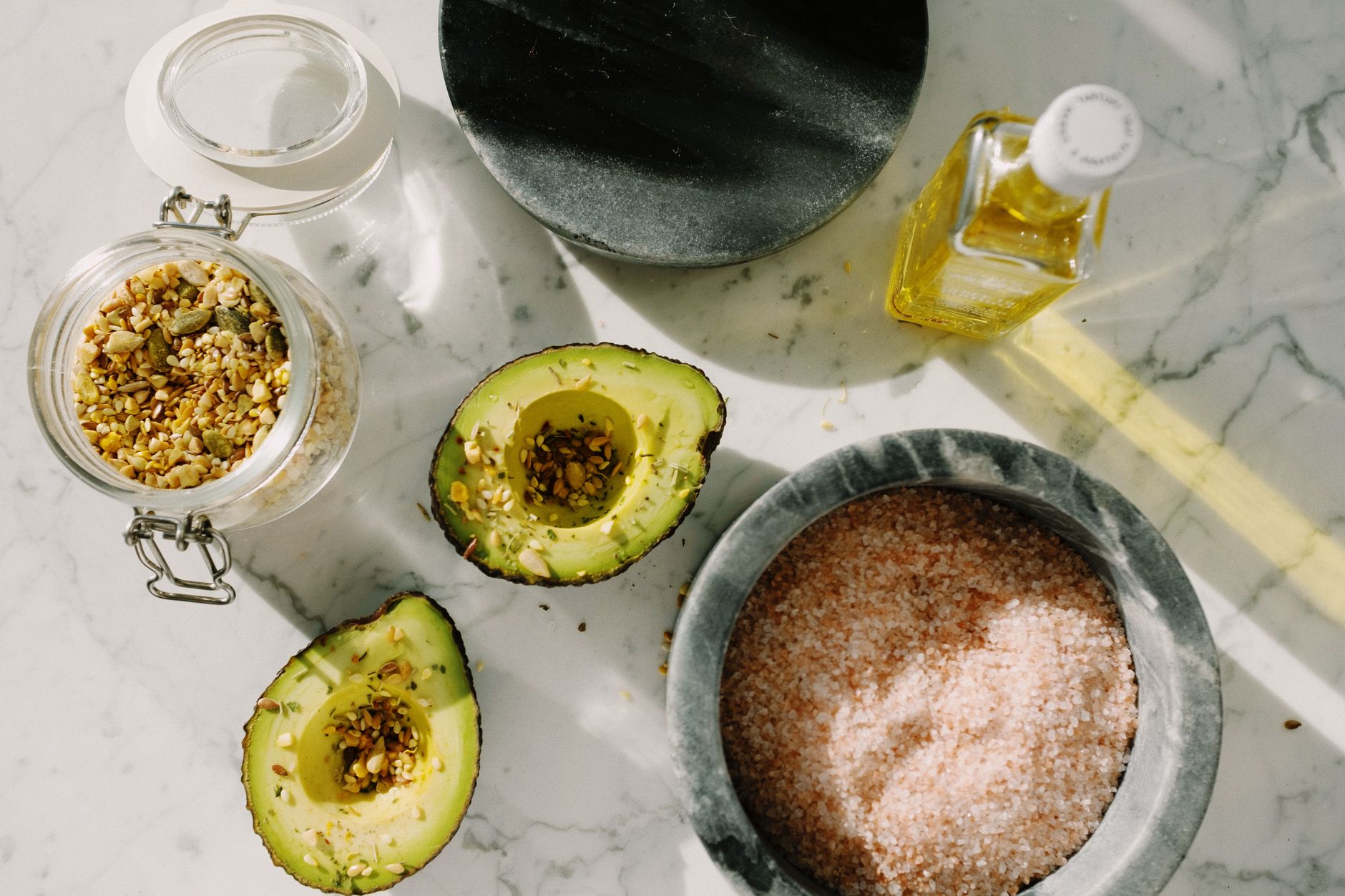
Choosing between avocado oil and olive oil is a common dilemma for health-conscious cooks. Both oils boast impressive nutritional profiles and culinary versatility. Understanding their unique characteristics can help you select the better option for your cooking and health needs.
This article delves into the differences between avocado oil and olive oil, exploring their nutritional benefits, cooking uses, flavor profiles, and more. By the end, you will be better equipped to determine which oil is better for you.
Which Is Better for You: Avocado Oil or Olive Oil?
Avocado oil and olive oil both provide health benefits, but each has distinct advantages. Avocado oil appears to have a higher smoke point, making it ideal for high-heat cooking, while olive oil is rich in antioxidants and healthy fats, contributing to heart health. Your choice may depend on your cooking methods and health goals.
Nutritional Profiles
Understanding the nutritional profiles of avocado and olive oil is crucial in determining which oil aligns more closely with your health goals.
Avocado Oil
Avocado oil is derived from the fruit of the avocado. It is rich in monounsaturated fats, particularly oleic acid, which has been associated with various health benefits.
- Calories: Approximately 120 calories per tablespoon
- Fat: 14 grams (of which 10 grams are monounsaturated)
- Vitamins: Contains vitamins E, D, and K
- Antioxidants: Rich in lutein, contributing to eye health
Olive Oil
Olive oil, obtained by pressing olives, is a staple in many diets, particularly the Mediterranean diet. It is known for its heart-healthy properties.
- Calories: Approximately 119 calories per tablespoon
- Fat: 14 grams (of which 10 grams are monounsaturated)
- Vitamins: Contains vitamin E and K
- Antioxidants: Rich in polyphenols, which have anti-inflammatory properties
Culinary Uses
The intended use of the oil plays a significant role in which oil is better for you. Both avocado and olive oil can be used in a variety of cooking methods.
Avocado Oil Uses
Avocado oil’s high smoke point (approximately 520°F) makes it ideal for:
- Sautéing and frying
- Roasting vegetables
- Grilling meats
- Baking
With its mild flavor, avocado oil is also a great base for salad dressings or marinades, allowing the other ingredients to shine.
Olive Oil Uses
Olive oil has a smoke point of around 375°F for extra virgin olive oil and about 465°F for refined olive oil. It is suitable for:
- Drizzling on salads and pastas
- Marinating meats and vegetables
- Dressing for dipping breads
- Steaming and frying at lower temperatures
The robust flavor of olive oil can enhance the taste of Mediterranean dishes, making it a favorite in dressings and dips.
Flavor Profiles
The flavor of an oil can significantly affect the overall taste of your dishes. Here’s how avocado oil and olive oil compare:
Avocado Oil
Avocado oil has a smooth, buttery, mild flavor. It does not overpower dishes, making it versatile for various recipes. The oil’s creamy texture complements many ingredients, making it especially suitable for dressings and delicate sauces.
Olive Oil
Olive oil has a more assertive flavor profile that can range from fruity to peppery, depending on the variety and processing method. This intensity can elevate dishes, particularly in Mediterranean cuisine, where it acts as a flavor enhancer in sauces and dressings.
Health Benefits
Both avocado oil and olive oil come with their unique health benefits, owing to their nutritional components.
Health Benefits of Avocado Oil
- Promotes heart health due to high levels of monounsaturated fats.
- Rich in antioxidants that may help reduce inflammation.
- Supports skin health, often used in beauty products due to its moisturizing properties.
- May aid in nutrient absorption, especially of fat-soluble vitamins.
Health Benefits of Olive Oil
- Contains antioxidants that can combat oxidative stress.
- May lower blood pressure and cholesterol levels.
- Associated with a reduced risk of heart disease.
- Supports healthy brain function, potentially reducing dementia risk.
Comparative Smoke Points
The smoke point of cooking oils is vital to consider. The smoke point is the temperature at which an oil begins to smoke and break down, producing harmful compounds and undesirable flavors.
Avocado Oil Smoke Point
Avocado oil boasts a high smoke point of approximately 520°F. This characteristic makes it an excellent choice for high-heat cooking methods like frying and roasting.
Olive Oil Smoke Point
Extra virgin olive oil has a lower smoke point of about 375°F, while refined olive oil can reach temperatures around 465°F. Therefore, using extra virgin olive oil for low to medium-heat cooking is advisable to preserve its flavor and health benefits.
Cost and Availability
Cost and availability can significantly influence your choice between avocado oil and olive oil. Here’s a brief overview:
Avocado Oil
Avocado oil is generally more expensive and less ubiquitous than olive oil. It is available in most grocery stores, but prices may vary depending on the brand and type.
Olive Oil
Olive oil, especially extra virgin, is widely available at various price points. Various brands exist, ranging from affordable supermarket options to premium artisan oils, making it easier to find one that fits your budget.
Substitution: Can You Use One Instead of the Other?
When considering cooking or baking, you might wonder if you can substitute avocado oil for olive oil or vice versa. Here’s a breakdown of how to make the swap.
Substituting Avocado Oil for Olive Oil
You can substitute avocado oil for olive oil in most recipes. Because both have a similar fat content and flavor profiles, they perform similarly in salads, baked goods, and light sautéing. However, be mindful that the flavor may be milder than that of olive oil, which could alter the final dish.
Substituting Olive Oil for Avocado Oil
Similarly, you can use olive oil in place of avocado oil, but consider the smoke point. Using olive oil in high-heat applications may lead to burning and a bitter flavor. If substituting in baking or tossing salads, the olive oil’s assertive flavor may shine through.
For more detailed guidance, check out Can You Substitute Avocado Oil for Olive Oil?
Common Mistakes to Avoid
As you incorporate these oils into your cooking, be aware of common pitfalls that may prevent you from achieving the best results.
- Using the Wrong Oil for Cooking Method: Make sure to match your cooking method (high vs. low heat) to the appropriate oil to avoid off-flavors and harmful compounds.
- Not Storing Properly: Both oils should be stored in a cool, dark place to maintain their quality. Exposure to light and heat can lead to rancidity.
- Overusing Oil: While healthy, oils still contain calories. Use them judiciously to avoid excessive calorie intake.
Storage and Shelf Life
Proper storage is essential for maximizing the shelf life and flavor of your oils.
Storing Avocado Oil
Store avocado oil in a cool, dark pantry or refrigerator. Properly sealed, it can last for up to a year. Pay attention to the expiration date on the label for optimal use.
Storing Olive Oil
Olive oil should also be kept in a dark place, preferably in a tinted bottle for protection against light. When stored correctly, it can last for 18 to 24 months. If the olive oil smells rancid or has an unusual taste, it’s best to discard it.
Conclusion
Both avocado oil and olive oil offer unique health benefits and culinary applications, making them worthy additions to your kitchen. By considering your cooking methods, budget, flavor preferences, and health goals, you can make an informed choice regarding which oil to use. Whether you favor the high heat of avocado oil or the robust taste of olive oil, both can elevate your dishes while supporting your wellness journey.
If you enjoyed learning about avocado and olive oil, consider exploring related articles on how to incorporate these delightful flavors into your meals. Check out more on avocado crema recipes or learn about making the most of avocado oil substitutes.