
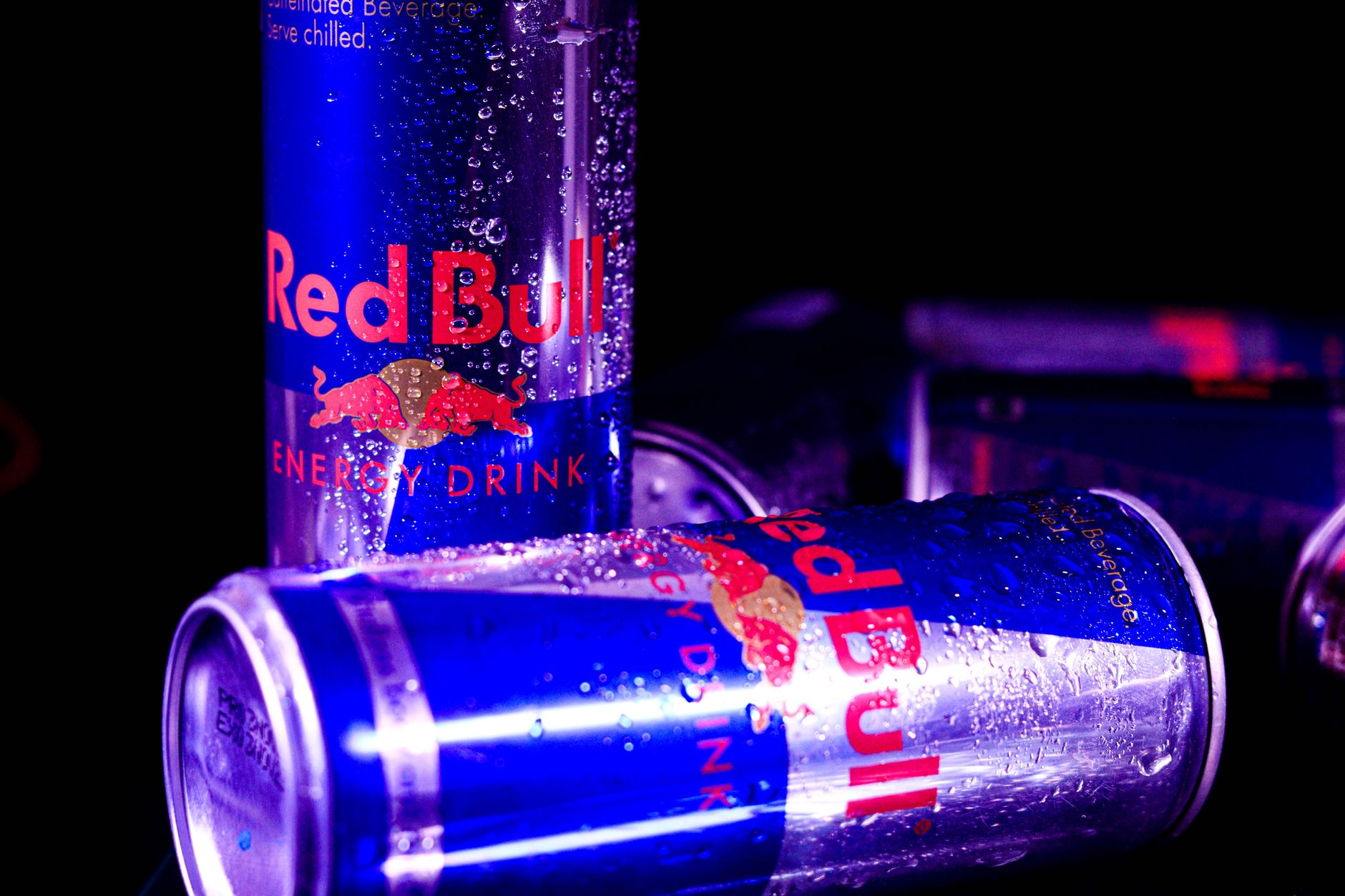
Energy drinks have surged in popularity, especially among younger crowds seeking a quick boost in energy and focus. However, the consequences of regularly consuming these beverages can be serious, particularly for heart health. Understanding the potential dangers of energy drinks can help individuals make informed choices.
This article explores why energy drinks can negatively impact cardiovascular health, their ingredients, the effects they have on the heart, and some safer alternatives for energy and focus.
Why Are Energy Drinks Bad for Your Heart?
Energy drinks are considered bad for the heart primarily due to their high caffeine content and other stimulants. These ingredients can lead to increased heart rate, elevated blood pressure, and heightened stress on the cardiovascular system. Additionally, many energy drinks have high sugar levels, which further exacerbate these issues.
The Ingredients: What’s Inside Energy Drinks?
Before diving into the effects of energy drinks on heart health, it’s essential to examine their common ingredients and what they do:
- Caffeine: A central nervous system stimulant that increases alertness but can cause heart palpitations and elevated blood pressure.
- Sugar: Common in many energy drinks, sugar can lead to weight gain, diabetes, and increased triglycerides, all of which are risk factors for heart disease.
- Taurine: An amino acid found in energy drinks, taurine can interact with caffeine to amplify heart-related effects.
- B Vitamins: While necessary for energy metabolism, excessive amounts can contribute to cardiovascular issues.
- Herbal extracts: Ingredients like guarana and ginseng are often included for their purported energy-boosting effects, but they can also affect heart rate and blood pressure.
The Effects of Energy Drinks on the Heart
Understanding how these ingredients affect the heart can illuminate the dangers associated with energy drink consumption:
Increased Heart Rate
Caffeine is known to stimulate the heart, leading to an increase in heart rate. For some individuals, especially those with underlying heart conditions, this can lead to palpitations or even arrhythmias, which are abnormal heart rhythms.
Elevated Blood Pressure
The combination of caffeine and other stimulants can significantly elevate blood pressure. Regular high blood pressure puts strain on the heart and blood vessels, increasing the risk of heart disease and stroke.
Risk of Cardiac Arrest
In extreme cases, consuming high doses of caffeine from energy drinks can result in cardiac arrest, particularly for individuals with pre-existing heart conditions. This risk is particularly heightened during high-intensity exercise when the heart is already under stress.
Impact on Sleep
Energy drinks can cause disturbances in sleeping patterns. Poor sleep is closely linked to cardiovascular health, as inadequate rest can lead to increased blood pressure and stress on the heart.
The Statistics Behind Energy Drink Consumption
Data suggests a marked increase in energy drink consumption over the past decade, particularly among adolescents and young adults. The American Heart Association has warned that these drinks can increase the risk of heart events, particularly when combined with sports or physical activity.
Who Is at Risk?
While energy drinks pose risks for everyone, certain groups may be particularly affected:
- Individuals with Heart Conditions: People with pre-existing heart conditions should avoid energy drinks due to their heightened risk of adverse effects.
- Young Adults and Adolescents: The developing hearts of younger populations may not react well to the high levels of caffeine found in energy drinks.
- Individuals with Anxiety Disorders: Stimulants like caffeine can exacerbate anxiety responses, potentially leading to negative cardiovascular effects.
- People on Medications: Those taking heart medications or other stimulants should be cautious, as interactions can lead to serious health issues.
What Are Safer Alternatives for Energy and Focus?
Individuals seeking an energy boost without the detrimental effects on the heart have numerous safe alternatives:
1. Natural Energy Boosters
- Green Tea: Contains caffeine but in smaller amounts, along with antioxidants that can benefit heart health.
- Matcha: A type of green tea packed with antioxidants, providing sustained energy without the jitters.
- Coconut Water: A natural hydrator that can replenish electrolytes without added sugars.
2. Healthy Snacks
- Nuts and Seeds: Rich in healthy fats and protein, these foods can provide sustained energy.
- Fruit Smoothies: Made with fresh fruits and yogurt, smoothies can deliver natural sugars along with important nutrients.
- Whole Grains: Foods like oatmeal and whole grain bread provide slow-releasing energy, keeping you satisfied longer.
3. Hydration
Staying hydrated is essential. Dehydration can often be mistaken for fatigue. Drinking adequate water throughout the day can maintain energy and focus levels without the risks associated with energy drinks.
Tips for Managing Energy Levels Naturally
Incorporating healthy habits can help manage energy naturally and improve overall heart health:
- Regular Exercise: Physical activity boosts energy levels and promotes a healthy heart.
- Balanced Diet: Consuming a well-rounded diet rich in fruits, vegetables, whole grains, and lean proteins supports both energy levels and heart health.
- Consistent Sleep Schedule: Establishing a regular sleep routine can improve energy levels during the day.
- Mindfulness and Stress Reduction: Practices such as yoga and meditation can help manage stress and improve heart health.
Understanding Energy Drinks in Context
It’s essential to recognize that the consumption of energy drinks varies widely based on lifestyle and personal health. While they’re marketed as handy solutions for energy in a busy world, understanding their potential harms is crucial for making informed decisions.
Common Misconceptions About Energy Drinks
Despite the risks, several myths about energy drinks persist. Here are a few common misconceptions:
- “They Are Safe in Moderation.” While moderation may seem reasonable, even small amounts can harm people with certain health conditions.
- “Energy Drinks Are Just Like Coffee.” While both contain caffeine, energy drinks often have additional stimulants and sugar, which can amplify cardiovascular risks.
- “All Energy Drinks Are the Same.” Different brands and formulations vary significantly in their caffeine content and other ingredients, impacting their safety.
Advice for Individuals Considering Energy Drinks
If you’re considering consuming energy drinks, it’s advisable to take a few precautions:
- Read Labels: Always check the ingredients and nutritional information before consuming any energy drink.
- Limit Intake: If consumed, limit energy drinks to one at a time and avoid combining them with alcohol or other stimulating substances.
- Consult with a Healthcare Provider: Check with your doctor if you have any underlying health conditions or concerns about the impact on your heart.
Conclusion
Energy drinks may offer a quick boost, but the risks associated with their consumption—especially regarding heart health—cannot be ignored. Opting for healthier energy sources can support both vitality and cardiovascular wellness.
For those looking to explore safer alternatives or enhance their diet with heart-healthy options, check out our guide on thyme and discover the benefits of pomegranate juice. Stay informed and choose wisely for a healthier you!