
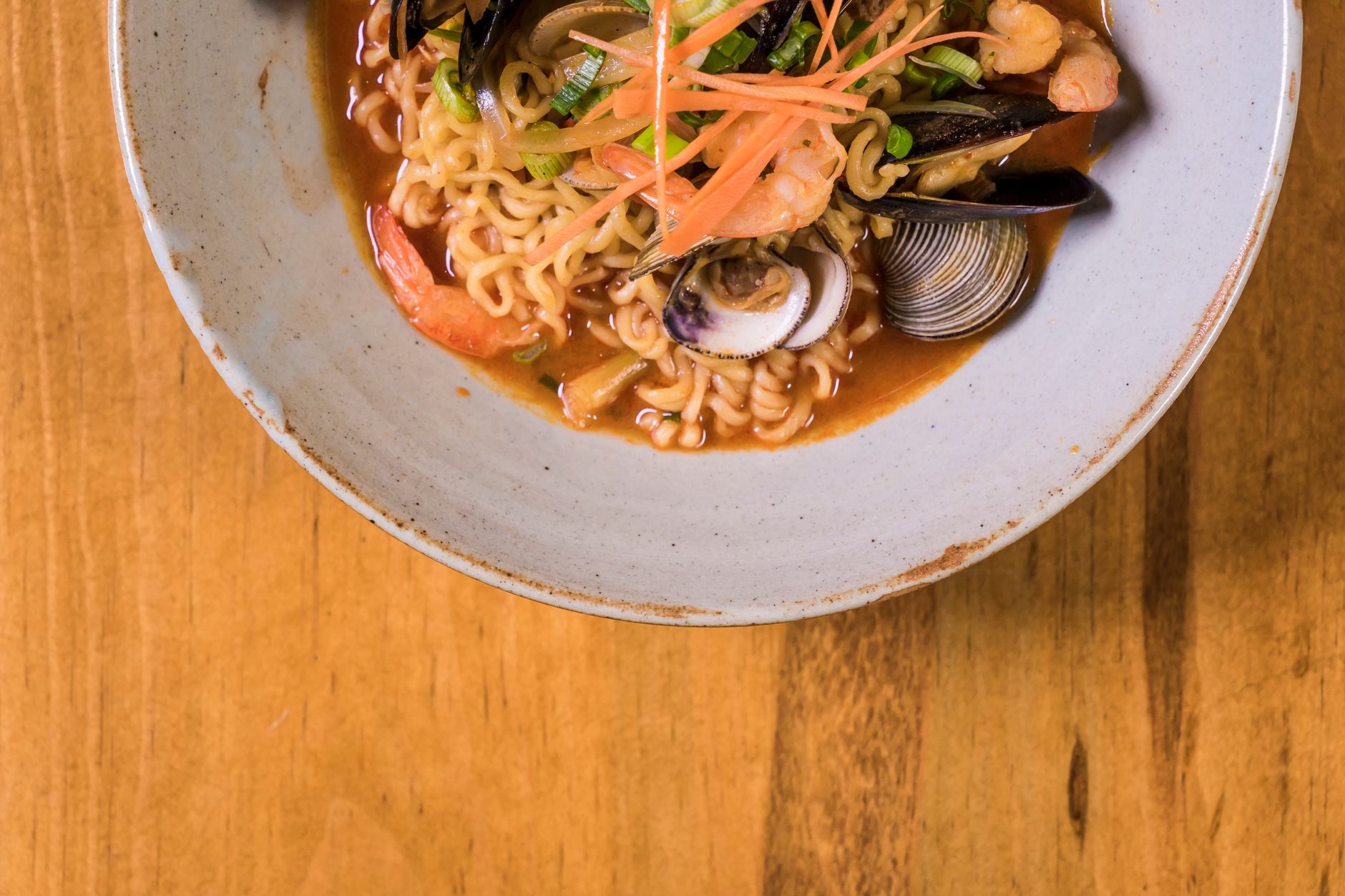
Ramyeon (often spelled as “ramen” in other contexts) is a popular Korean noodle dish that has captured the taste buds of many around the world. Known for its instant preparation and rich flavors, it is a staple comfort food for those seeking a quick yet satisfying meal.
This article will explore the ingredients, flavor profiles, serving suggestions, and insights into making the perfect bowl of ramyeon. Whether you are a novice in the kitchen or a seasoned cook, understanding ramyeon can elevate your culinary experiences.
What Is Ramyeon?
Ramyeon is a Korean noodle dish made primarily from wheat flour, salt, and water, often seasoned with a variety of flavors. It is most commonly sold in instant noodle packages, making it easy to prepare swiftly. Although originally created as a quick meal, it has evolved into a versatile dish that can be customized with various ingredients.
Ingredients of Ramyeon
The basic components of ramyeon include noodles and a seasoning packet, but additional ingredients can enhance its flavor and nutrition. Below are the key ingredients commonly found in ramyeon.
- Noodles: The heart of ramyeon, these are typically made from wheat flour and have a chewy texture.
- Seasoning Packet: Contains powdered spice mix that adds flavor. The combinations often include soy sauce, ground chili pepper, garlic powder, and more.
- Vegetables: Common additions include dried vegetables like carrots, mushrooms, and spring onions. Fresh vegetables such as bok choy or spinach can also enhance the dish.
- Proteins: You can add eggs, tofu, chicken, or seafood to make the dish more filling and nutritious.
- Garnishes: Optional toppings such as sesame seeds, nori (seaweed), or red pepper flakes for added flavor.
Types of Ramyeon
While traditional ramyeon is widely enjoyed, you may find different varieties that cater to various tastes:
- Spicy Ramyeon: Characterized by a bold flavor, this type features an extra kick from chili or cayenne pepper.
- Cheese Ramyeon: A concoction where cheese is melted into the broth, creating a creamy texture.
- Kimchi Ramyeon: Incorporates kimchi for a tangy twist, a reflection of Korean culinary culture.
- Seafood Ramyeon: Includes seafood like shrimp or clams, enhancing the umami flavor.
- Vegetable Ramyeon: Prioritizes vegetarian ingredients, often loaded with fresh vegetables.
Flavor Profile of Ramyeon
Ramyeon is known for its savory, umami-rich flavors that can be both comforting and exciting. The balance of spiciness, saltiness, and natural sweetness from gluten-free sources like miso or soy sauce creates a delightful experience. When combined with added ingredients, the flavor can become exceptionally diverse:
- Spicy: The heat from chili flakes or seasoned powders makes the dish bold and invigorating.
- Savory: Derived from the broth and seasoning, the umami notes are addictive.
- Earthy: When paired with mushrooms or vegetables, it adds depth to the overall taste.
- Rich: A creamy bowl, notably when cheese or coconut milk is added, modifications the broth’s texture spectacularly.
How to Serve Ramyeon
Serving ramyeon is not just about placing it in a bowl. The presentation and accompanying ingredients play a significant role in enhancing the meal:
Basic Serving Suggestions
- Cook the noodles: Boil water in a pot and cook the noodles according to package instructions, usually around 4-5 minutes.
- Add seasoning: Stir in the seasoning packet just before the noodles are fully cooked.
- Incorporate vegetables and proteins: Add dried veggies from the package or fresh ingredients like egg or chicken in the last minutes of cooking.
- Garnish: Finish with toppings like green onions, sesame seeds, or nori for added flavor and aesthetics.
- Serving temperature: Serve immediately while hot to enjoy the optimum flavors.
Elevating Your Ramyeon
To make your ramyeon stand out, consider some creative variations:
- Add an Egg: Crack in an egg right toward the end of cooking for a silky finish.
- Use Broth Instead of Water: Cook the noodles in chicken or vegetable broth instead of water for additional flavor.
- Mix in Cheese: Stir in shredded cheese or cheese slices as it cooks. This creates a melty, rich texture.
- Spicy Kick: For those who love spice, add gochujang or sriracha for an extra layer of flavor.
- Top with Fresh Herbs: Cilantro, basil, or mint can add unexpected freshness.
Common Mistakes When Making Ramyeon
Many people enjoy making ramyeon at home, but there can be a few pitfalls. Understanding these common mistakes can help you achieve the perfect bowl:
- Overcooking the Noodles: Noodles should be cooked al dente, as they continue to soften after being removed from heat.
- Not Using Enough Water: Make sure to use sufficient water to simmer the noodles; this affects the broth’s flavor.
- Skipping Fresh Ingredients: Fresh vegetables and proteins can add nutrients and dimension, so don’t skip these!
- Ignoring Seasoning: Always use the seasoning packet unless you are crafting your own flavors. Under-seasoning can lead to bland ramyeon.
- Not Adjusting Heat: Remember, cooking at a rolling boil is not ideal. Maintain a steady simmer for optimal results.
Storing Leftover Ramyeon
If you find yourself with leftover ramyeon, proper storage is essential to maintain its quality:
- Cool Down: Allow the dish to cool completely before transferring it to storage containers.
- Refrigerate: Store leftovers in airtight containers and place them in the fridge. They should be consumed within 1-2 days.
- Reheat Carefully: When reheating, add a splash of water to loosen the noodles, and warm them in a pot over medium heat to prevent sogginess.
Variations and Inspiration
The beauty of ramyeon lies in its adaptability. You can modify it to cater to your taste preferences or dietary needs. Here are some inspiring variations:
- Vegan Ramyeon: Substitute meat with tofu or tempeh, and use vegetable broth. Load it with colorful vegetables!
- Low-Carb Ramyeon: Use zucchini noodles or shirataki noodles as a healthier alternative.
- Fusion Styles: Incorporate ingredients from other culinary traditions, such as Italian herbs or a Thai curry paste for a unique flair.
Conclusion
Understanding ramyeon opens the doors to a world of quick and customizable meals. With various flavors, ingredients, and techniques, you can create endless combinations to satisfy your palate. Whether enjoying a simple bowl at home or experimenting with gourmet variations, ramyeon is a dish worthy of exploration.
For more exciting recipes and cooking tips, explore our creamy ramen recipe or learn how to make homemade ramen seasoning for your own creations. Happy cooking!