
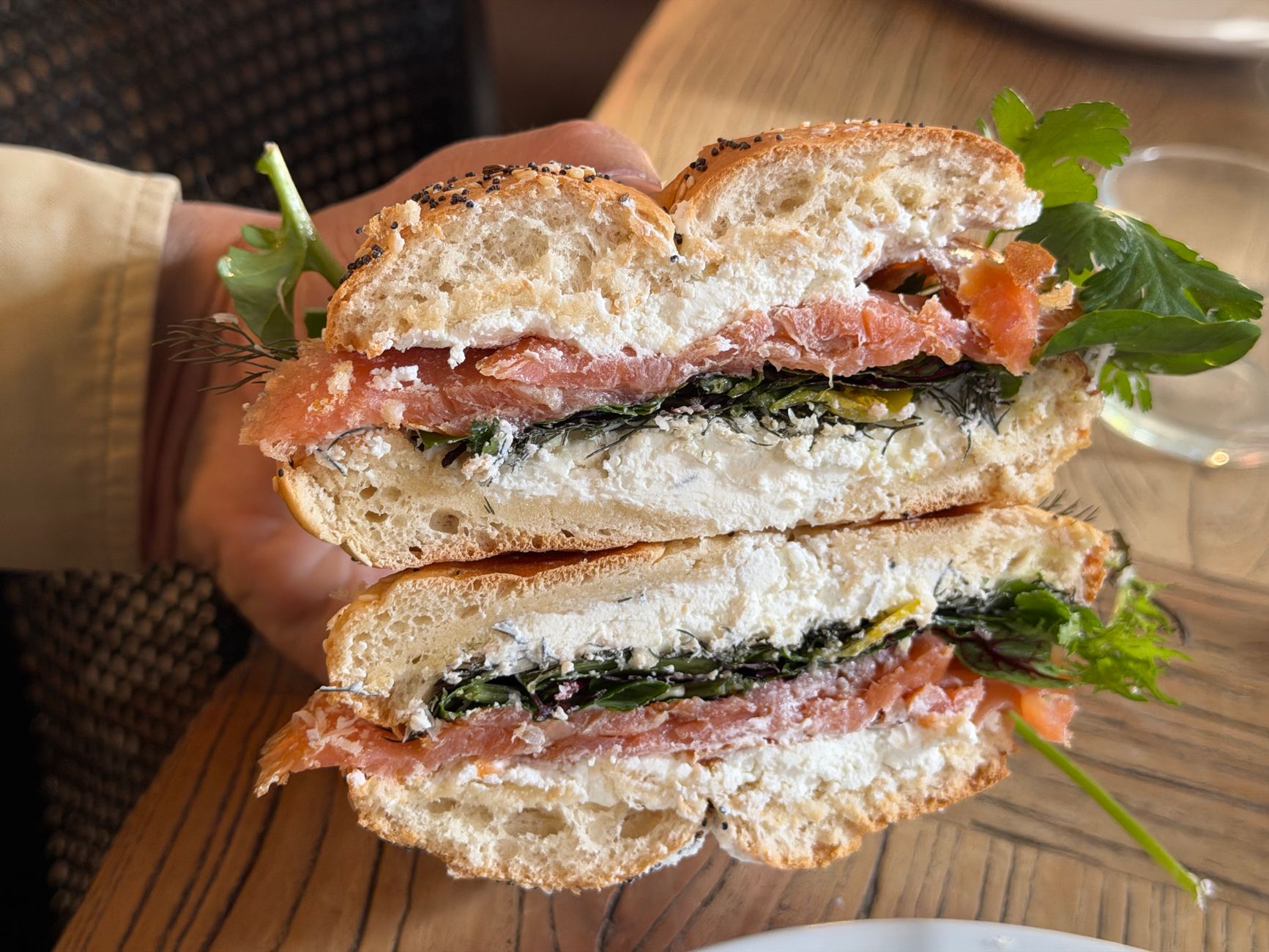
Lox and bagels are a classic combination, often associated with delicatessens and brunch menus. While they can be enjoyed in various ways, understanding their individual components—lox and bagels—helps enhance your culinary experience. This article dives into what lox and bagels are, their distinct flavors and textures, along with kitchen uses and some delightful serving suggestions.
Finding the right balance between the salty richness of lox and the chewy texture of bagels is essential for anyone looking to recreate this iconic pairing. Let’s explore these components, their origins, and how you can bring this dish to your breakfast table.
What Are Lox and Bagels?
Lox refers to a fillet of brined salmon, often cold-smoked, that has been a staple in Jewish cuisine for generations. It is characterized by its silky texture and rich, salty flavor, which perfectly complements the denser, chewy texture of bagels. Bagels are a type of bread that is boiled before baking, resulting in a crispy crust and a soft, chewy interior.
The Taste and Texture of Lox
The flavor of lox is unique and notable. It embodies a delicate balance of salty, savory, and slightly smoky notes. Depending on how it is prepared—whether it’s traditional Scottish lox, Nova lox, or gravlax—the taste can vary slightly. Gravlax is typically seasoned with sugar, dill, and sometimes spices, which enhances its flavor profile.
The texture of lox is another key element. Its silky smoothness melts in your mouth, contrasting beautifully with the chewy structure of a bagel. Whether served thinly sliced or in thicker pieces, lox maintains a slight firmness while still being tender.
Types of Lox
- New York Lox: This is brined and often smoked salmon, known for its robust flavor.
- Belly Lox: This lox is brined but not smoked, making it saltier and requiring refrigeration for freshness.
- Nova Lox: This type is lightly cured and then cold-smoked, offering a milder flavor than traditional lox.
- Gravlax: A Scandinavian style of lox that is cured with a mixture of salt, sugar, and dill, giving it a unique flavor.
The Taste and Texture of Bagels
Bagels have a distinctive taste and texture that sets them apart from other types of bread. Their exterior is crusty with a glossy finish due to the boiling process, while the inside remains dense and chewy. This contrast makes them an ideal base for holding toppings such as lox.
Traditionally, bagels are made with simplicity in mind—water, flour, yeast, and salt. However, they can be flavored in various ways, from classic sesame and poppy seeds to more innovative options like everything bagels, which combine multiple toppings.
Types of Bagels
- Plain Bagels: The classic option, which pairs well with savory and sweet toppings.
- Everything Bagels: A mix of seeds and spices, adding an extra layer of flavor.
- Sesame Bagels: Topped with sesame seeds, offering a nutty crunch.
- Onion and Garlic Bagels: Infused with additional flavors for those who enjoy a more robust taste.
Kitchen Uses: How to Serve Lox and Bagels
Serving lox and bagels can be as simple or as extravagant as you desire. Here are some popular serving suggestions:
- Classic Lox and Bagel: Toast a bagel and spread cream cheese on it. Layer thin slices of lox on top, followed by capers, sliced red onion, and a sprinkle of dill.
- Bagel Sandwich: Create a more substantial meal by adding lettuce, tomatoes, and avocados, allowing for a richer flavor profile.
- Open-Faced Sandwich: For a light meal, serve lox atop a halved bagel with various garnishes for a visually appealing dish.
- Breakfast Platter: Offer lox and bagels as part of a larger breakfast spread alongside fruits, cheeses, and smoked salmon spreads.
Preparing Lox at Home
If you wish to delve deeper into the world of lox, consider preparing it at home. Cold smoking requires specific equipment and skill, but a simple curing method can yield delicious results.
This easy method involves combining sugar and salt, then applying it to a salmon fillet, wrapping it tightly, and leaving it to cure in the refrigerator for a few days. Following this, slice it thinly for serving.
Preparing Bagels at Home
Baking bagels from scratch is rewarding and allows you to customize flavors and toppings. Here’s a concise overview of the process.
Basic Bagel Recipe
Yield: 8 bagels
Preparation Time: 2 hours (including rising time)
Cooking Time: 20 minutes
Total Time: 2 hours 20 minutes
Ingredients
- 4 cups all-purpose flour
- 2 ¼ teaspoons instant yeast
- 1 tablespoon salt
- 1 tablespoon sugar
- 1 ¾ cups warm water
- 1 tablespoon baking soda (for boiling)
- Toppings (sesame seeds, poppy seeds, etc.)
Essential Equipment
- Mixing bowl
- Stand mixer or wooden spoon
- Measuring cups and spoons
- Pizza stone or baking sheet
- Large pot for boiling
- Slotted spoon
Method
- In a mixing bowl, combine flour, yeast, salt, and sugar. Gradually add warm water, mixing until a dough forms.
- Knead the dough on a floured surface or using a stand mixer for about 10 minutes until smooth and elastic.
- Place the dough in a greased bowl, cover it, and let it rise for about 1 hour or until doubled in size.
- Preheat your oven to 425°F (220°C) and line a baking sheet with parchment paper.
- Punch down the dough and divide it into 8 equal pieces. Roll each piece into a ball, then poke a hole in the center and stretch it to form a bagel shape.
- Bring a large pot of water to a boil, adding baking soda. Boil each bagel for about 1 minute per side, then remove with a slotted spoon and place on the baking sheet.
- Sprinkle your desired toppings on the bagels while they are still wet.
- Bake for 15-20 minutes, until golden brown. Let cool before serving.
Common Mistakes When Preparing Lox and Bagels
When making lox and bagels, a few common pitfalls can detract from the experience:
- Overcooking the Bagels: Bagels should be chewy and not overly tough. Monitor their baking time closely.
- Choosing Low-Quality Salmon: The quality of the salmon significantly impacts the flavor of lox. Opt for fresh, high-quality fish.
- Inadequate Seasoning: Don’t be shy with seasonings on your bagels. A well-seasoned bagel enhances the entire dish.
Storage and Reheating
Leftover lox and bagels can be stored, but optimal freshness is essential:
For Lox:
- Store lox in an airtight container in the refrigerator for up to one week. For longer storage, consider freezing it, but note that the texture may change upon thawing.
- When ready to eat, gently let it come to room temperature or give it a quick smoke to add back some flavor.
For Bagels:
- Keep bagels in a paper bag at room temperature for a day or two. For extended freshness, place them in a freezer bag and freeze for up to 3 months.
- Reheat bagels by toasting them. You can also wrap them in aluminum foil and warm them in an oven at 350°F (175°C) for about 10 minutes.
Conclusion
Lox and bagels can elevate any breakfast or brunch table with their vibrant flavors and textures. Understanding their individual components allows you to appreciate the artistry of this dish and helps you recreate it beautifully in your own kitchen. With a few simple techniques, you can prepare both lox and bagels from scratch, resulting in a satisfying and delicious meal.
Explore more recipes and tips, such as our lox recipe and the delightful lox bagel recipe, to expand your culinary repertoire.