
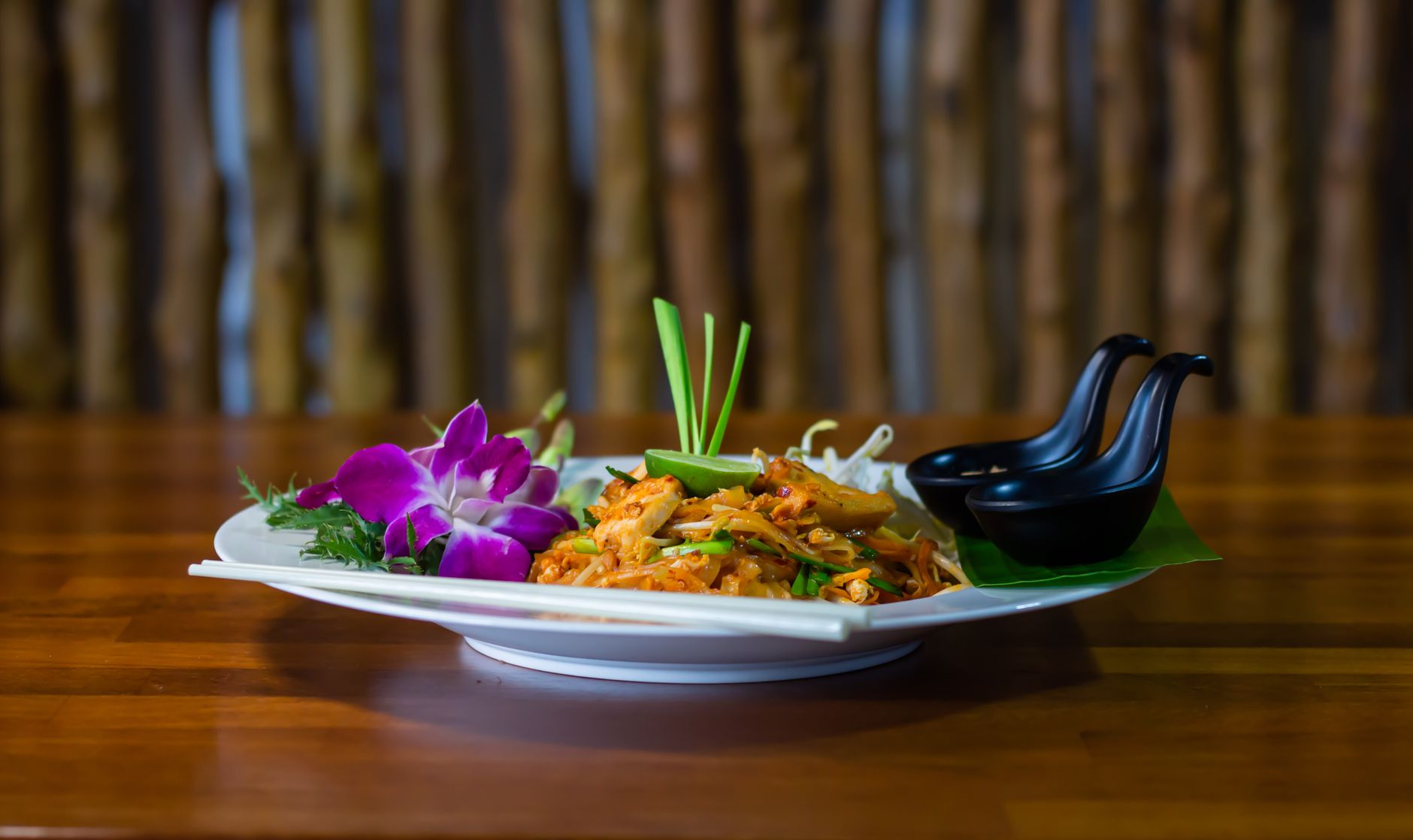
Pad Thai is one of Thailand’s most iconic dishes, known for its vibrant flavors, satisfying textures, and colorful presentation. It serves as a fusion of sweet, sour, and savory notes, all encapsulated in a delightful stir-fried noodle dish. Understanding what Pad Thai is made of provides a foundation for those eager to recreate this delicious culinary experience at home.
This guide will take you through the essential ingredients that make Pad Thai unique, as well as tips for preparation, variations, and serving suggestions to elevate your dining experience.
What Is Pad Thai Made Of?
Pad Thai is primarily made of rice noodles, protein sources (like shrimp, chicken, or tofu), eggs, bean sprouts, and a variety of flavorful sauces and seasonings. These ingredients come together to create a dish that’s both filling and packed with layers of flavor.
Essential Ingredients for Pad Thai
Here’s a detailed look at the key constituents involved in crafting authentic Pad Thai:
- Rice Noodles: Typically flat and about 1/4 inch wide, these are the primary base of the dish. They are usually soaked in water to soften before being stir-fried.
- Protein: Traditional choices include shrimp, chicken, or pork, but tofu and tempeh are popular vegetarian options. The protein is often marinated or seasoned before cooking.
- Vegetables: Common additions include bean sprouts, garlic chives, and green onions. Other vegetables like bell peppers or carrots can also enhance the dish.
- Eggs: Beaten eggs are often scrambled into the dish for added richness and texture.
- Pad Thai Sauce: This is a crucial element that includes tamarind paste, fish sauce, sugar (typically palm sugar), and sometimes chili powder. The sauce gives Pad Thai its signature sweet and tangy flavor.
- Peanuts: Crushed peanuts are sprinkled on top, adding crunch and nutty flavor.
- Lime: Fresh lime wedges are served on the side to enhance the dish’s flavor with a burst of acidity.
Detailed Ingredient Analysis
Rice Noodles
Rice noodles are the backbone of Pad Thai. They should be soaked in warm water until pliable but not mushy, as they will continue to cook in the wok. The texture should be soft yet slightly chewy, allowing them to absorb the sauce flavors well.
Protein
The choice of protein can significantly affect the dish. Shrimp provides a succulent and slightly sweet profile, while chicken offers a hearty texture. Tofu, a popular plant-based option, should be pressed to remove excess water before cooking, allowing it to crisp up nicely.
Vegetables
Bean sprouts are a traditional ingredient, adding a fresh crunch. Garlic chives add a hint of onion flavor without overpowering the dish. You may also include bell peppers for sweetness or carrots for added color and nutrition.
Eggs
The use of eggs adds a richness that complements the other flavors. Scrambling them into the noodles provides a creamy texture and helps to bind the ingredients together.
Pad Thai Sauce
The Pad Thai sauce is a complex mix of flavors. Tamarind paste provides the sour base, fish sauce adds saltiness and umami, sugar balances the flavors, and a touch of chili introduces heat. Adjusting these elements can help cater to personal taste preferences.
Peanuts
Crushed peanuts provide essential texture and an earthy flavor that elevates the dish. Toasting them beforehand can enhance their aroma and taste.
Lime
Lime adds brightness to Pad Thai. A squeeze of fresh lime just before serving can uplift the overall flavor profile.
Common Substitutions
If you’re missing a specific ingredient, here are some practical substitutions that can be made without compromising the dish’s essence:
- For Rice Noodles: You can use other types of noodles, such as egg noodles, but be aware they may alter the dish’s authenticity.
- For Protein: Chicken or pork can be substituted with seitan or tempeh for a vegetarian-friendly version.
- For Tamarind Paste: A mix of lime juice and brown sugar can mimic the tanginess if tamarind is unavailable.
- For Fish Sauce: Soy sauce or a vegan fish sauce can serve as a substitute for a vegetarian variant.
- For Sugar: Coconut sugar or brown sugar can replace palm sugar.
Cooking Pad Thai: Step-by-Step Instructions
Follow these steps to create a delicious Pad Thai at home. This preparation method should take about 30 minutes in total.
Preparation Time:
10 minutes
Cooking Time:
20 minutes
Total Time:
30 minutes
Yield:
Serves 2-3 people
Essential Equipment:
- Wok or large skillet
- Large mixing bowl
- Measuring spoons and cups
- Cooking utensils (spatula or wooden spoon)
- Strainer for noodles
Instructions:
- Soak rice noodles in warm water for 20-30 minutes until softened. Drain and set aside.
- In a wok or skillet over medium-high heat, add a splash of oil. If using chicken or shrimp, add them first until fully cooked. Remove and set aside.
- Add more oil if necessary. Toss in minced garlic and sauté until fragrant (about 30 seconds).
- Push the garlic to one side, add the beaten eggs, and scramble until lightly cooked. Then mix it with the garlic.
- Introduce the drained noodles to the wok, along with the cooked protein.
- Pour the Pad Thai sauce over the noodles, stirring continuously to evenly coat and heat.
- Add bean sprouts and chives, and stir-fry for an additional 2 minutes to combine.
- Once everything is well integrated, remove from heat and serve hot, garnished with crushed peanuts and lime wedges.
Common Mistakes to Avoid
- Overcooking the Noodles: Ensure noodles are only soaked until pliable; over-soaking can make them mushy.
- Skipping Ingredients: Each ingredient plays a vital role in developing flavor; don’t omit key elements like the sauce or peanuts.
- Not Using High Heat: Pad Thai is a stir-fried dish, requiring high heat for proper browning and caramelization of ingredients.
Serving Suggestions
Pad Thai can be served as a main dish, but consider pairing it with these options to create a more complete meal:
- Thai Cucumber Salad: This refreshing side balances out the richness of Pad Thai.
- Thai Eggplant Dish: Incorporating hearty vegetables can enhance the nutritional profile of your meal.
- Spring Rolls: These make for excellent appetizers to serve on the side.
Make-Ahead and Storage Tips
Pad Thai is best enjoyed freshly made, but if you want to prepare it in advance:
- Storing Leftovers: Leftover Pad Thai should be stored in an airtight container in the refrigerator for up to two days. Reheat in a hot skillet or microwave, adding a splash of water to prevent drying out.
Conclusion
Understanding what Pad Thai is made of opens up a world of flavor and satisfaction that can be recreated in your kitchen. By utilizing the right ingredients and techniques, you can enjoy this beloved Thai dish anytime you’re craving it.
Explore more delicious recipes and cooking tips, including refreshing ideas like Thai Cucumber Salad and hearty Thai Eggplant dishes. Enjoy cooking!