
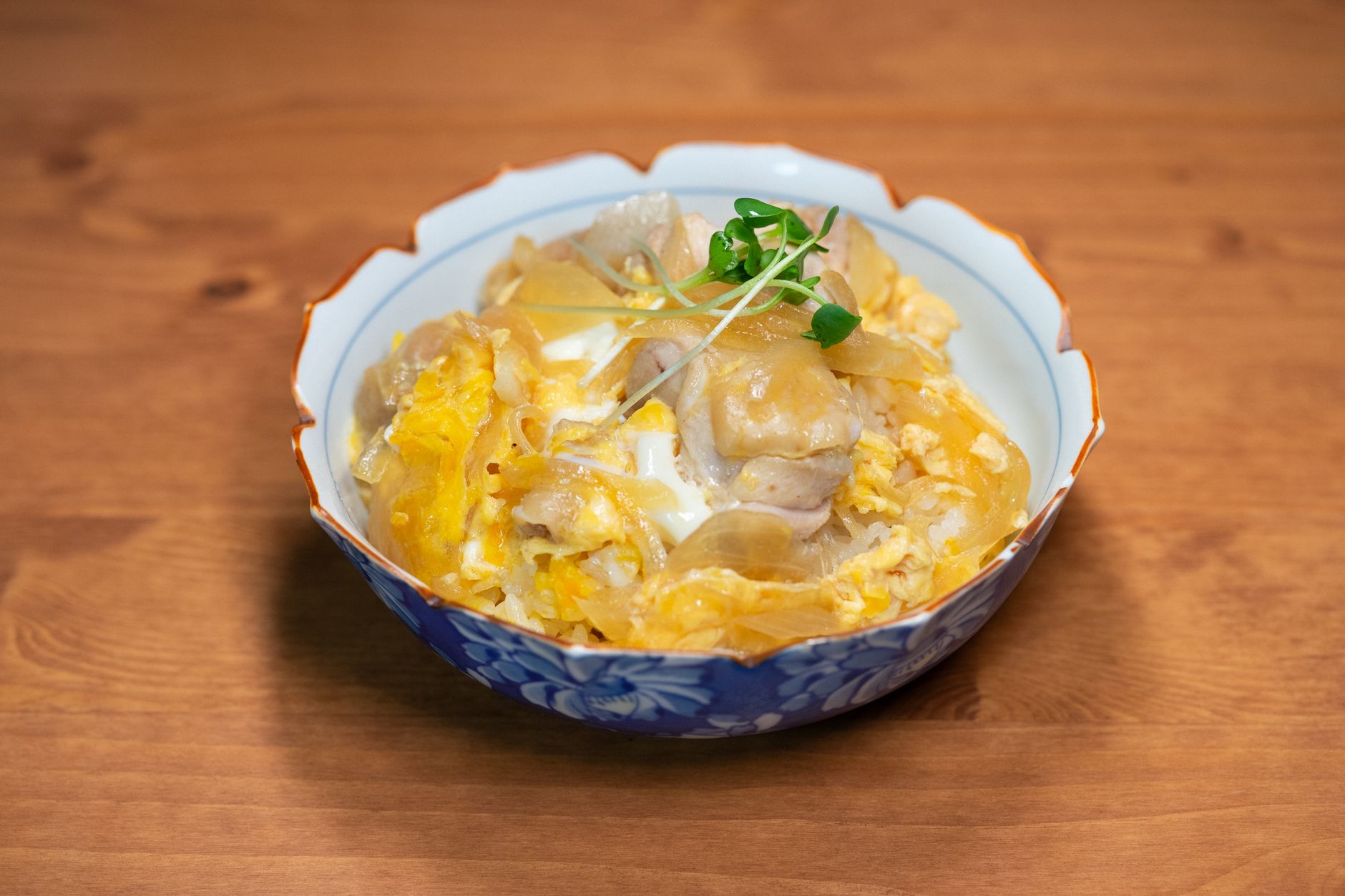
Oyakodon is a traditional Japanese rice dish that is both comforting and satisfying, offering a delightful blend of flavors and textures. This dish, whose name translates to “parent and child donburi,” features chicken and eggs, symbolizing the nurturing relationship between the two. Oyakodon is often prepared quickly, making it an ideal choice for a weeknight dinner or a hearty lunch.
With its simple ingredients and straightforward preparation, Oyakodon is not only delicious but also highly versatile. Let’s explore the key elements that make up this delicious dish, from the essential ingredients to the best ways to serve it.
What Is Oyakodon?
Oyakodon is a Japanese rice bowl dish made with chicken, eggs, and onions simmered in a savory sauce, served over a bed of steamed rice. It is beloved for its warm, comforting flavors and ease of preparation, making it a popular meal choice in Japanese homes. The combination of chicken and egg creates a tender texture, while the umami-rich sauce adds depth to the dish.
Ingredients of Oyakodon
Creating a delicious Oyakodon requires a handful of simple yet flavorful ingredients. Below is a comprehensive list of ingredients you will need:
- 2 cups cooked Japanese short-grain rice
- 1 pound boneless, skinless chicken thighs or breasts, cut into bite-sized pieces
- 4 large eggs
- 1 medium onion, thinly sliced
- ¼ cup dashi stock (or chicken broth)
- 2 tablespoons soy sauce
- 1 tablespoon mirin (sweet rice wine)
- 1 tablespoon sake (Japanese rice wine)
- 1 teaspoon sugar
- Green onions (scallions), finely chopped for garnish (optional)
- Seaweed (nori), cut into strips for garnish (optional)
Flavor Profile of Oyakodon
The flavor of Oyakodon is rich and savory, characterized by the umami notes from the dashi stock and soy sauce. The mirin adds a subtle sweetness, balancing the dish. When cooked, the chicken becomes tender and juicy, while the eggs create a silky texture when they softly set in the simmering sauce. Each spoonful offers a delightful harmony of flavors, making Oyakodon a comforting meal.
How to Make Oyakodon: Step-by-Step Instructions
Making Oyakodon is a straightforward process that can be completed in around 30 minutes. Here’s a simple method:
- Prepare the rice: If you don’t have cooked rice ready, begin by cooking the Japanese short-grain rice according to package instructions. Ideally, this should be done in a rice cooker, which will help achieve the fluffy texture traditional to Japanese rice.
- Cook the chicken and onion: In a large skillet or frying pan, heat a small amount of oil over medium heat. Add the sliced onions and sauté until they are translucent, about 3-4 minutes. Then, add the chicken pieces and cook until they are no longer pink, stirring occasionally.
- Add the sauce: In a small bowl, mix the dashi stock, soy sauce, mirin, sake, and sugar. Pour this mixture into the pan with the chicken and onions. Bring to a gentle simmer.
- Add the eggs: Crack the eggs directly into the pan, evenly spacing them over the chicken. Cover the pan with a lid and let the eggs steam over low heat for about 5 minutes, or until they reach your desired level of doneness. The eggs should be slightly runny but still set.
- Assemble the dish: While the eggs are cooking, place a serving of warm cooked rice in individual bowls. Once the chicken and eggs are ready, gently spoon the mixture over the rice, being careful to include the flavorful sauce.
- Garnish and serve: Optionally, garnish the Oyakodon with finely chopped green onions or strips of nori. Serve immediately while warm.
Serving Suggestions
Oyakodon can be enjoyed on its own as a satisfying meal, or you can serve it alongside other Japanese dishes for a complete dining experience. Here are a few suggestions:
- Pair Oyakodon with miso soup for a traditional Japanese meal.
- Serve alongside pickled vegetables (tsukemono) for added flavor and crunch.
- Include a small side salad, such as a seaweed salad, to balance the meal.
- For a heartier spread, complement with gyoza (Japanese dumplings) or tempura.
Practical Substitutions and Variations
While Oyakodon has traditional elements, there are several substitutions and variations you can consider:
- Protein alternatives: You can substitute chicken with other proteins such as sliced pork or tofu for a vegetarian option. For seafood lovers, shrimp or fish can be great substitutes.
- Vegetarian version: To create a vegetarian Oyakodon, replace the chicken with mushrooms (shiitake or enoki work well), and use vegetable dashi instead of chicken broth.
- Rice varieties: While Japanese short-grain rice is preferred, medium-grain or jasmine rice can work in a pinch.
- Flavor enhancements: Add a touch of garlic or ginger for extra warmth. You can also toss in veggies such as bell peppers or carrots for color and nutrition.
- Spicy twist: For those who enjoy heat, drizzle some chili oil or add a sprinkle of shichimi togarashi (Japanese spice blend) before serving.
Common Mistakes to Avoid
While making Oyakodon is relatively simple, here are a few common pitfalls to avoid:
- Overcooking the eggs: Monitoring the cooking time is crucial. Overcooking will result in rubbery eggs rather than the desired silky texture.
- Using too much liquid: Ensure the sauce is not overly watery, which can lead to a soupy consistency rather than a cohesive dish.
- Skipping the dashi: Using plain water instead of dashi or chicken broth can result in a bland flavor profile. Ensure to use a good-quality dashi for maximum umami.
Storing and Reheating Oyakodon
If you have leftovers or wish to meal prep, proper storage is key to enjoying Oyakodon later:
- Storage: Store any leftover Oyakodon in an airtight container in the refrigerator for up to 2 days.
- Reheating: Reheat the dish in a microwave at 50% power, stirring occasionally to ensure even heating. You can also gently reheat it in a skillet over low heat, adding a splash of water or dashi if necessary to prevent dryness.
Nutritional Considerations
Oyakodon is a well-balanced dish with proteins from the chicken and eggs, carbohydrates from the rice, and vitamins from the onions and garnishes. Although exact nutrition can vary based on specific brands and ingredients used, here are a few general considerations:
- High in protein, making it a filling option.
- Contains healthy fats from the eggs, promoting satiety.
- Rice can be swapped for brown rice for added fiber and nutrients.
Cultural Significance of Oyakodon
Oyakodon is more than just a meal; it holds cultural significance in Japan. It embodies the idea of family and nurturing, symbolized by the use of “parent and child” in its name. This dish is often enjoyed during family gatherings and is a favorite among children for its simple flavors and comforting nature. It is also commonly served in casual dining establishments and is a staple in Japanese home cooking.
Final Thoughts
Oyakodon is a delightful dish that captures the essence of Japanese comfort food. With its ease of preparation and flavorful ingredients, it is ideal for both busy weeknights and leisurely weekends. Whether enjoyed as a single dish or as part of a larger spread, Oyakodon undoubtedly brings warmth and satisfaction to any table.
Explore the delightful world of Japanese cuisine by learning new recipes and cooking techniques. For more delicious ideas, check out our Gyudon recipe for another comforting bowl or discover the heartiness of Oden for your next meal planning adventure.