
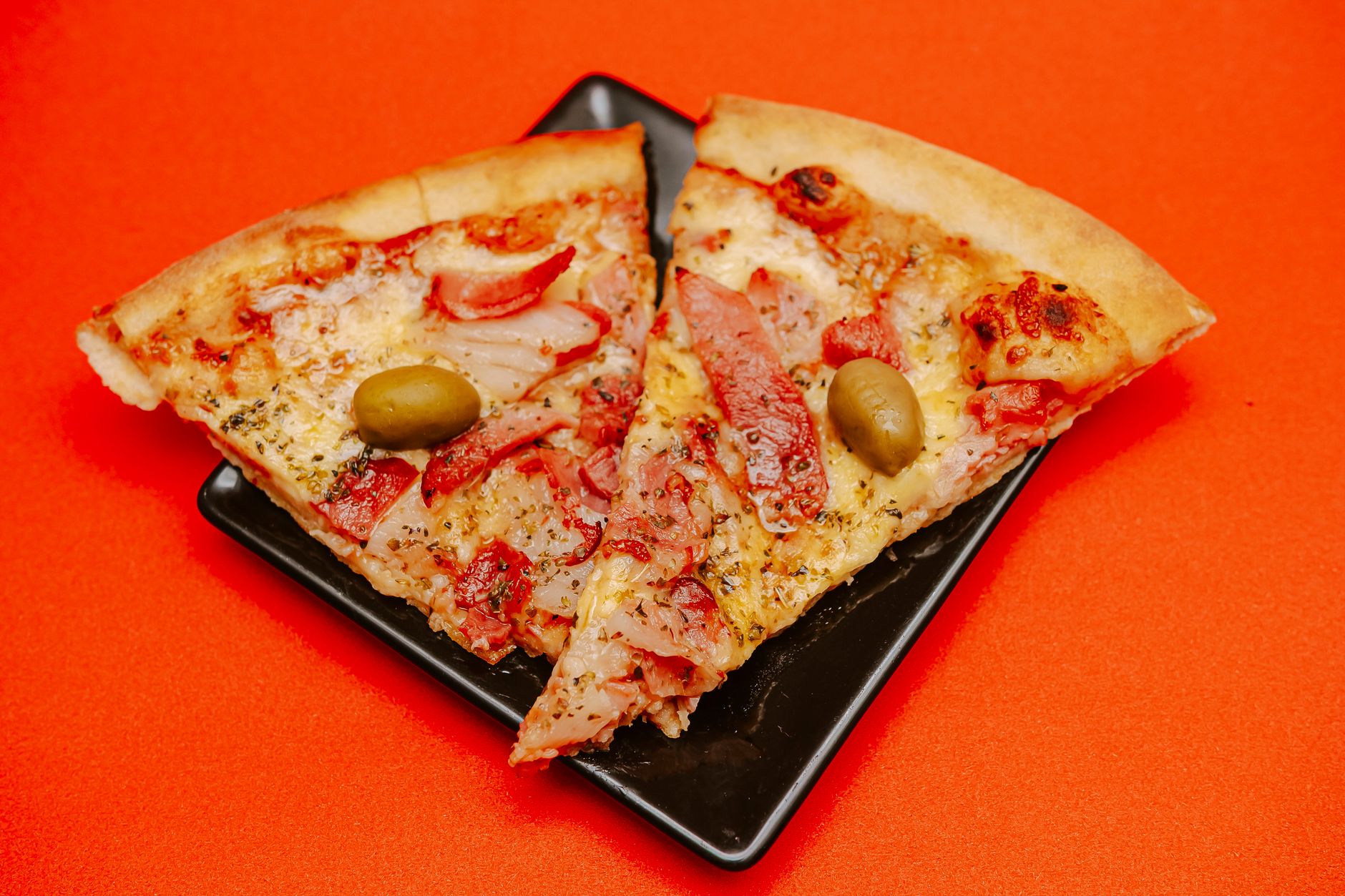
Pizza is a beloved comfort food for many, known for its rich flavors and versatility. However, while it may satisfy cravings, there are several reasons why indulging in pizza frequently may not be the best choice for your health. This article explores six reasons why pizza can be detrimental to your well-being, focusing on nutrition and portion control.
Understanding the potential health pitfalls of pizza empowers you to make more informed dining choices. From high calorie counts to nutritional imbalances, recognizing these factors can lead to healthier adaptations of your favorite dish.
Why Is Pizza Bad for You?
Pizza can be bad for you for various reasons, including its high calorie content, excessive sodium levels, unhealthy fats, lack of essential nutrients, portion control challenges, and the prevalence of processed ingredients. Being aware of these factors can help you enjoy pizza mindfully and minimize negative health impacts.
1. High Calorie Count
One of the most significant health concerns regarding pizza is its high calorie count. A single slice of traditional cheese pizza can contain anywhere from 200 to 300 calories, depending on the crust thickness and cheese quantity. With most people often consuming two or more slices in one sitting, the calorie intake can quickly add up.
For instance, a large pizza typically has 8-10 slices. If you eat three slices, that’s already reaching 600-900 calories, without considering toppings. Regularly consuming high-calorie meals can lead to weight gain over time, especially if it exceeds your daily caloric needs.
2. Excessive Sodium Levels
Sodium is another concern when it comes to pizza, as it is often loaded with salt. A typical slice can contain around 400-600 milligrams of sodium, which is significant considering that the American Heart Association recommends no more than 2,300 mg of sodium per day for adults.
Many factors contribute to the high sodium content of pizza, including the use of processed meats like pepperoni and sausage, cheeses, and pizza sauce, which often contain added salt for flavor preservation. Regular consumption of high-sodium foods can lead to issues such as hypertension, heart disease, and kidney problems.
3. Unhealthy Fats
Pizza is often made with cheeses that are high in saturated fats. Saturated fats, when consumed in excess, can increase cholesterol levels and raise the risk of heart disease. Furthermore, if the pizza crust is fried or contains trans fats, this further exacerbates the unhealthy fat content.
While some fat is necessary for a balanced diet, the key is to choose healthier sources, such as avocados or nuts. The unhealthy fats found in many types of pizza don’t contribute beneficial nutrients, making them a poor choice for your overall health.
4. Lack of Essential Nutrients
Though pizza may feature a mix of ingredients, it often lacks essential nutrients like vitamins and minerals. A classic pizza primarily offers carbohydrates, fats, and proteins, while being low in important nutrients that are vital for the body’s functioning.
For a well-balanced meal, it’s crucial to include vegetables and whole grains. A standard pizza does not fill these nutritional requirements, as it typically offers limited servings of vegetables and whole grains. This can result in deficiencies if pizza is a frequent choice while other nutritious foods are neglected.
5. Portion Control Challenges
Portion control plays a significant role in maintaining a healthy diet, and pizza can make this particularly challenging. The appeal of pizza often leads people to consume larger portions than intended. Its combination of flavors and textures can blur the lines of moderation.
Moreover, when dining out or ordering pizza for delivery, it’s easy to lose track of how much you’re actually consuming. The social aspect of sharing a pizza can also lead to overeating. Mindfully managing portion sizes becomes crucial when trying to enjoy pizza without compromising your health.
6. Processed Ingredients
Many pizzas are made with processed ingredients, which can be a red flag for health-conscious eaters. From the crust to the sauce and toppings, these products often contain additives, preservatives, and artificial flavors. Consuming these processed foods regularly can negatively impact your health.
Processed ingredients may also lack nutrients compared to their whole-food counterparts. For example, opting for a pizza made with refined flour instead of whole grain limits the fiber and essential nutrients you would normally receive. Reducing processed foods in your diet is beneficial for overall health, and pizza frequently falls into this category.
Healthier Alternatives and Tips
Despite the drawbacks of traditional pizza, there are ways to enjoy it in a healthier manner. Consider the following tips:
- Choose Thin Crust: Opting for thin crust instead of thick crust can significantly lower the calorie count.
- Add Veggies: Load your pizza with colorful vegetables to increase nutritional content and fiber.
- Go Easy on Cheese: Request less cheese or use a lighter cheese option to reduce unhealthy fats.
- Watch Portion Sizes: Be mindful of how many slices you consume; stick to one or two slices with a side salad.
- Make It at Home: Preparing pizza at home allows you to control ingredients, enabling healthier choices.
Making Pizza Healthier at Home
If you love pizza but want to make it healthier, consider making your own at home. This way, you can customize the ingredients, control portion size, and experiment with healthier options.
Here’s a simple guide to creating a healthier homemade pizza:
Ingredients
- 1 whole wheat pizza crust or pre-made whole wheat dough
- 0.5 cup tomato sauce (low sodium)
- 1 cup part-skim mozzarella cheese, shredded
- 1 cup assorted vegetables (bell peppers, onions, spinach, mushrooms)
- Optional lean protein (grilled chicken, turkey, or tofu)
- Herbs and spices for flavor (oregano, basil, garlic powder)
Essential Equipment
- Oven
- Baking sheet or pizza stone
- Pizza cutter
- Spatula or large spoon
Steps to Prepare
- Preheat your oven to 475°F (245°C).
- Roll out the whole wheat dough on a floured surface to your desired thickness.
- Place the rolled dough onto a baking sheet or pizza stone.
- Spread the low-sodium tomato sauce evenly across the base.
- Add a layer of lean protein if using, followed by an even spread of vegetables.
- Sprinkle part-skim mozzarella cheese on top of the vegetables.
- Season with your choice of herbs and spices for added flavor.
- Bake in the preheated oven for 12-15 minutes, or until the crust is golden brown and the cheese is bubbling.
- Remove from the oven, let cool slightly, and slice with a pizza cutter.
Conclusion
While pizza can be enjoyable, it’s essential to recognize its potential health risks associated with excessive calorie counts, high sodium levels, unhealthy fats, nutrient deficiencies, portion control issues, and the prevalence of processed ingredients. By understanding these factors, you can better navigate your choices.
Next time you’re craving pizza, consider healthier alternatives or make your own at home. Not only will you enhance flavor and control what goes into your meal, but also ensure a better balance in your diet. Remember that moderation is key, and being aware of what you eat will contribute positively to your overall health.
If you want to explore some delicious pizza alternatives, check out our Pizza Rustica Recipe for a flavorful twist or try our Crustless Pizza Recipe for a lower-carb option. Enjoy cooking and making informed food choices!