
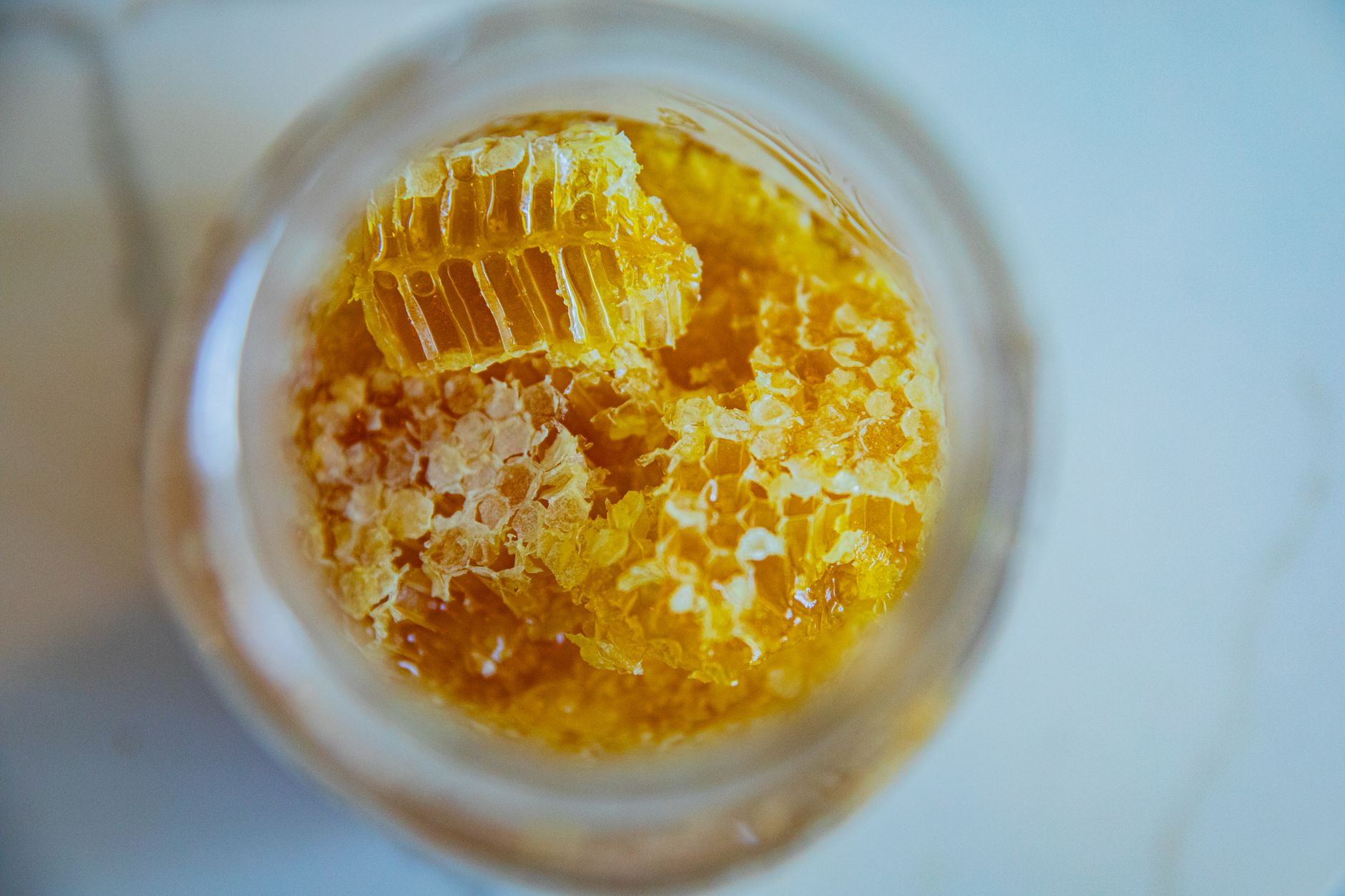
Manuka honey has gained immense popularity for its unique flavors and potential health benefits, but one aspect that often sparks curiosity is MGO (methylglyoxal). This compound is central to understanding why Manuka honey is so highly valued compared to regular honey varieties. In this article, we will explore MGO, its significance in Manuka honey, and how it contributes to the honey’s unique properties.
We’ll also discuss the production of Manuka honey, its health benefits, and tips for purchasing high-quality jars of this special honey. Whether you’re a honey enthusiast or simply looking to understand more about this popular ingredient, you’ll find valuable information that enhances your culinary experience.
What Is Mgo In Manuka Honey?
MGO in Manuka honey refers to methylglyoxal, a compound that is mainly responsible for the honey’s antibacterial properties. The higher the MGO level, the stronger the antibacterial effect, which is a significant reason many people choose Manuka honey over other types. The MGO concentration is often used as a grading system, helping consumers identify the strength and efficacy of the honey they are purchasing.
Origins of Manuka Honey
Manuka honey is derived from the nectar of the Manuka tree (Leptospermum scoparium), which is native to New Zealand and parts of Australia. The honey production occurs when bees pollinate the flowers of this tree, and the unique conditions of the environment contribute to the distinct flavor and health properties of the honey. This specific floral source is what sets Manuka honey apart from standard honey.
How Is MGO Produced in Manuka Honey?
MGO is naturally formed in Manuka honey from the conversion of another compound called dihydroxyacetone (DHA), which is present in the nectar of the Manuka flower. The conversion process occurs as the honey ages, leading to varying MGO levels based on factors such as the flowers’ characteristics, the time of harvest, and storage conditions.
The Chemistry Behind MGO
When bees convert the nectar into honey, enzymes are involved in breaking down the sugars. The DHA content in Manuka nectar is responsible for the formation of MGO. Interestingly, the MGO concentration can vary widely; this variability is important for consumers seeking specific antibacterial effects.
The Grading System: MGO, UMF, and Kfactor
When shopping for Manuka honey, you’ll notice various designations related to MGO. The primary grading systems include:
- MGO Rating: This indicates the level of methylglyoxal present in the honey, usually stated in mg/kg. A higher MGO rating generally signifies stronger antibacterial properties.
- UMF (Unique Manuka Factor): This certification assesses the honey’s quality based on its MGO, DHA, and leptosperrin levels. The UMF rating often ranges from 5 to 20 or higher.
- Kfactor: This is another grading system that measures the purity of Manuka honey, focusing on the presence of pollen from the Manuka flower. A higher Kfactor is often seen as indicative of higher quality.
Health Benefits of MGO in Manuka Honey
Numerous studies have explored the health benefits associated with MGO in Manuka honey. While not every claim is universally accepted, some evidence suggests that MGO may have the following effects:
- Antibacterial Properties: MGO exhibits strong antibacterial effects against various bacteria, particularly against strains that are resistant to antibiotics.
- Wound Healing: Applying Manuka honey to wounds may promote healing and reduce inflammation, making it beneficial for treating minor cuts and burns.
- Digestive Health: Some research indicates that Manuka honey may aid in digestive health by combating harmful gut bacteria and alleviating symptoms of acid reflux.
While MGO has shown encouraging results in lab experiments, it is essential to consult with a healthcare provider regarding any medicinal use of honey, especially if you have pre-existing conditions or are taking medications.
How to Use Manuka Honey
Manuka honey can be enjoyed in a variety of culinary applications. Here are some ways to incorporate it into your diet:
- As a Sweetener: Use Manuka honey as a natural sweetener in tea, smoothies, or oatmeal. Its unique flavor adds depth to any dish.
- In Baking: Substitute sugar with Manuka honey in recipes for cakes and cookies, keeping in mind that it may alter the texture.
- Topical Usage: Apply it to minor wounds or skin irritations directly. Always perform a patch test before broader application.
Choosing Quality Manuka Honey
When purchasing Manuka honey, it’s critical to choose high-quality products to ensure that you get the intended health benefits. Here are some tips for selecting the best jar:
- Verify Labels: Look for jars labeled with an MGO rating, UMF certification, or Kfactor. This ensures that you are purchasing genuine Manuka honey.
- Check the Origin: Ensure the honey is sourced from New Zealand or Australia. The true Manuka tree is native to these regions.
- Avoid Kitchen Blends: Some honey blends may not contain true Manuka honey. Read labels carefully to avoid misleading products.
Common Misconceptions About Manuka Honey
There are several misconceptions about Manuka honey that can lead consumers astray. Here are a few to be aware of:
- All Honey Is the Same: Many people think that all honey varieties offer equal health benefits. Manuka honey’s unique MGO and DHA levels differentiate it from regular honey.
- All Manuka Honey Is Created Equal: The presence of varying MGO levels indicates differences in antibacterial properties, meaning higher isn’t necessarily better for every purpose.
- It’s a Cure-All: While there are health benefits to Manuka honey, it is not a substitute for medical treatment and should be used as a complementary aid.
Practical Uses for Manuka Honey in Cooking
Enhancing your culinary repertoire with Manuka honey can elevate various dishes. Here’s how to incorporate it into your cooking:
Honey Sesame Chicken: A Flavorful Dish
Using Manuka honey in a Honey Sesame Chicken recipe can add an aromatic depth to the dish. Here’s a brief overview of how to prepare it:
- Ingredients:
- 500g chicken breast, diced
- 2 tablespoons Manuka honey
- 1 tablespoon soy sauce
- 1 tablespoon sesame oil
- 1 clove garlic, minced
- 1 tablespoon sesame seeds
- Salt and pepper to taste
Cooking Instructions
- In a bowl, combine the chicken, Manuka honey, soy sauce, sesame oil, garlic, salt, and pepper. Marinate for at least 30 minutes.
- Heat a non-stick skillet over medium heat and add the marinated chicken.
- Cook for about 5-7 minutes until the chicken is cooked through and golden brown.
- Sprinkle sesame seeds on top and serve warm, optionally over rice or greens.
Storage Recommendations
Proper storage of Manuka honey is essential to retain its beneficial properties. To keep your honey in optimal condition:
- Store it in a cool, dark place away from direct sunlight.
- Ensure the jar is tightly closed to prevent moisture absorption and crystallization.
- If crystallization occurs, place the honey jar in warm water to gently return it to a liquid state. Avoid using a microwave, as high temperatures can harm its properties.
Conclusion
MGO is a defining characteristic of Manuka honey, setting it apart from regular honey with its unique antibacterial properties and health benefits. By understanding its key features, grading systems, and proper usage, you can make informed decisions when selecting and incorporating Manuka honey into your diet. Embrace the flavors and potential health advantages of this extraordinary honey by trying recipes or using it as a natural remedy in your kitchen today.
If you’re interested in exploring more delicious recipes or cooking tips, check out our Honey Sesame Chicken recipe or learn how to make Honey Syrup. Happy cooking!