
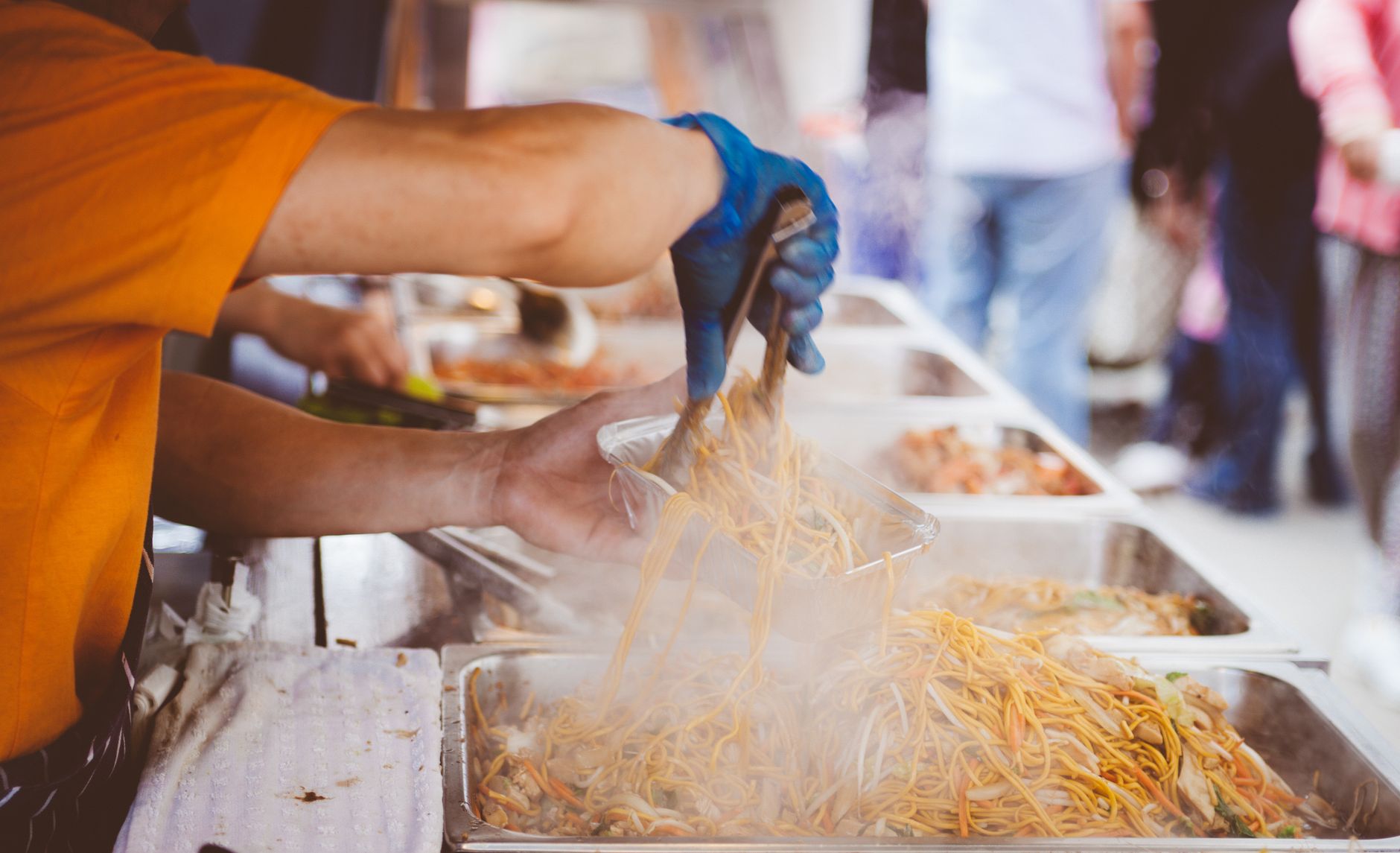
In the realm of Chinese cuisine, lo mein and chow mein are two popular noodle dishes that often confuse diners and home cooks alike. Both dishes feature wheat noodles but differ in preparation techniques, ingredients, and flavors. Understanding these differences can elevate your cooking and dining experience, allowing you to appreciate their unique characteristics.
This article will explore what makes lo mein and chow mein distinct, their cooking methods, ingredients, and how best to use each in your kitchen. Whether you’re aiming to recreate a restaurant favorite at home or simply want to learn more about these delicious noodle dishes, we’ve got you covered.
What Is Lo Mein vs Chow Mein?
Lo mein and chow mein are both traditional Chinese dishes made using wheat noodles. Lo mein typically features soft, boiled noodles tossed in a flavorful sauce with various vegetables and protein. Chow mein, in contrast, uses stir-fried noodles that are crispy and slightly chewy, often accompanied by an assortment of vegetables and proteins as well. This fundamental difference in cooking techniques has a significant impact on their flavors and textures.
Ingredients Used in Lo Mein and Chow Mein
Although both lo mein and chow mein use similar fundamental ingredients, the preparation and accompanying ingredients can differ significantly.
Common Ingredients in Lo Mein
- Wheat noodles
- Low sodium soy sauce
- Sesame oil
- Protein (chicken, beef, shrimp, tofu)
- Vegetables (bok choy, bell peppers, carrots, onions)
- Garlic and ginger
- Green onions for garnish
Common Ingredients in Chow Mein
- Wheat noodles (often thinner than lo mein)
- Soy sauce (regular or dark for deeper flavor)
- Vegetable oil
- Protein (chicken, pork, beef, shrimp, or tofu)
- Vegetables (cabbage, bean sprouts, carrots, onions)
- Garlic and ginger
- Green onions for garnish
Cooking Techniques: How to Prepare Lo Mein and Chow Mein
The preparation methods for lo mein and chow mein provide insight into the texture and flavor profiles of each dish. Here’s how each dish is typically made.
Lo Mein Preparation Technique
- Start by boiling lo mein noodles according to the package instructions until al dente. Drain and rinse under cold water to stop the cooking process.
- Meanwhile, prepare your sauce. A common combination includes soy sauce, sesame oil, and any additional flavorings like oyster sauce or chili paste.
- In a large skillet or wok, heat a small amount of oil over medium heat. Sauté garlic and ginger until fragrant, then add in your protein and cook until it reaches the desired doneness.
- Add the vegetables and stir-fry for a few minutes until they are cooked but still crisp.
- Toss in the cooked lo mein noodles along with the sauce, stirring to combine everything evenly.
- Cook for an additional few minutes until everything is heated through. Serve hot, garnished with green onions.
Chow Mein Preparation Technique
- Begin by cooking chow mein noodles according to the package instructions until tender but not too soft, as they will be stir-fried later.
- Heat vegetable oil in a large wok over high heat. Add garlic and ginger, and cook until fragrant.
- Add your protein of choice and cook until it begins to brown.
- Stir in the vegetables, cooking quickly to maintain their crunchiness.
- Next, add the cooked chow mein noodles and pour the soy sauce over everything. Stir-fry for several minutes until the noodles are heated and gain a slightly crispy texture, especially on the bottom.
- Serve immediately, garnished with green onions.
Flavor and Texture Differences
The primary distinction between lo mein and chow mein comes from their textures and flavors resulting from their cooking methods and ingredient choices.
Flavor Profile of Lo Mein
Lo mein is generally characterized by a flavorful, savory sauce that clings to the soft, chewy noodles. The ingredients are combined gently, allowing the flavors to meld without losing the noodles’ tender texture. This dish is versatile and can be adapted to various tastes and dietary preferences.
Flavor Profile of Chow Mein
Chow mein, on the other hand, offers a bolder taste due to the stir-frying technique. The noodles often take on a beautiful golden color with a crispy texture, especially if cooked in a hot wok. The quick cooking method intensifies the flavors of the ingredients, creating a satisfying crunch when biting into the dish.
Kitchen Uses for Lo Mein and Chow Mein
Understanding the best uses for lo mein and chow mein helps in meal planning and deciding which dish to prepare based on occasion or personal preference.
Lo Mein Uses
Lo mein is ideal for scheduling busy weeknight meals. Its soft noodles absorb sauces well, making it a great option for people craving comfort food. It can be prepared with various proteins and vegetables, making it suitable for various tastes. Additionally, lo mein is excellent for meal prep, as its flavors deepen and improve when stored for a day or two.
Chow Mein Uses
Chow mein works wonderfully for gatherings and potlucks, serving as a shareable dish that can be easily customized. The crispy noodles add an element of texture that can impress guests. Additionally, because chow mein is stir-fried quickly, it’s ideal for those who need to prepare a fast dinner after a long day. Since it has less sauce, it is less likely to become soggy, making it a decent option for leftovers as well.
Common Mistakes to Avoid
When preparing lo mein and chow mein, there are several common pitfalls to avoid for optimal results.
Lo Mein Mistakes
- Overcooking the noodles: Ensure you cook the noodles just until they are al dente, as they will continue cooking when you stir-fry them later.
- Not using enough sauce: Lo mein benefits from a generous amount of sauce to coat the noodles adequately and enhance flavors.
- Skipping the rinse process: Rinsing the noodles under cold water stops the cooking process and helps prevent them from sticking together.
Chow Mein Mistakes
- Overcrowding the wok: Stir-frying requires high heat and quick cooking, which can be hindered by overcrowding. Cook in batches to achieve the desired texture.
- Using too much sauce: Heavy amounts of sauce can weigh down the dish, making the noodles soggy instead of crispy.
- Not pre-cooking the ingredients: All ingredients must be prep-cooked as stir-frying is a quick process; otherwise, vegetables may remain undercooked.
Practical Substitutions and Variations
One of the best aspects of cooking at home is the ability to adapt recipes based on dietary needs and ingredient availability.
Lo Mein Substitutions
- Gluten-free: Opt for rice noodles or gluten-free spaghetti instead of wheat noodles.
- Vegetarian: Substitute protein with mushrooms or tofu.
- Spicy: Incorporate chili oil or Sriracha into the sauce for heat.
Chow Mein Substitutions
- Rice noodles: For a gluten-free option, swap in rice noodles.
- Different proteins: That’s easy—experiment with various proteins such as duck, seafood, or plant-based meat alternatives.
- Vegetable-heavy: Incorporate more veggies like snap peas or mushrooms for an extra nutrient boost.
Storing and Reheating Lo Mein and Chow Mein
Proper storage and reheating techniques can help maintain the integrity of both lo mein and chow mein.
Storing Lo Mein
Lo mein can be stored in an airtight container in the refrigerator for up to 3 days. To reheat, place it in a skillet over medium heat, adding a splash of water or broth to prevent drying out. Stir constantly until heated through.
Storing Chow Mein
Chow mein can also be stored in an airtight container for up to 3 days in the refrigerator. Reheat it in a pan over medium heat, adding a little oil to crisp up the noodles again. For a quick option, reheating in the microwave is also possible, although it may not result in the best texture.
When it comes to deciding between lo mein and chow mein, knowing their differences will enhance your approach to cooking. Lo mein can provide a comforting, flavorful dish with tender noodles while chow mein offers a crispy texture that brings out the vibrant flavors of its ingredients.
Ultimately, the choice comes down to personal preference and the occasion. With a little practice and understanding of each dish’s unique qualities, both lo mein and chow mein can easily become staples in your kitchen. Consider trying your hand at a beef lo mein recipe or explore a chow fun recipe for a refreshing spin on these beloved noodle dishes.
For those eager to explore more delicious recipes, check out our beef lo mein recipe or discover the flavors of our chow fun recipe. Explore the endless possibilities and bring the flavors of Chinese cuisine to your kitchen.