
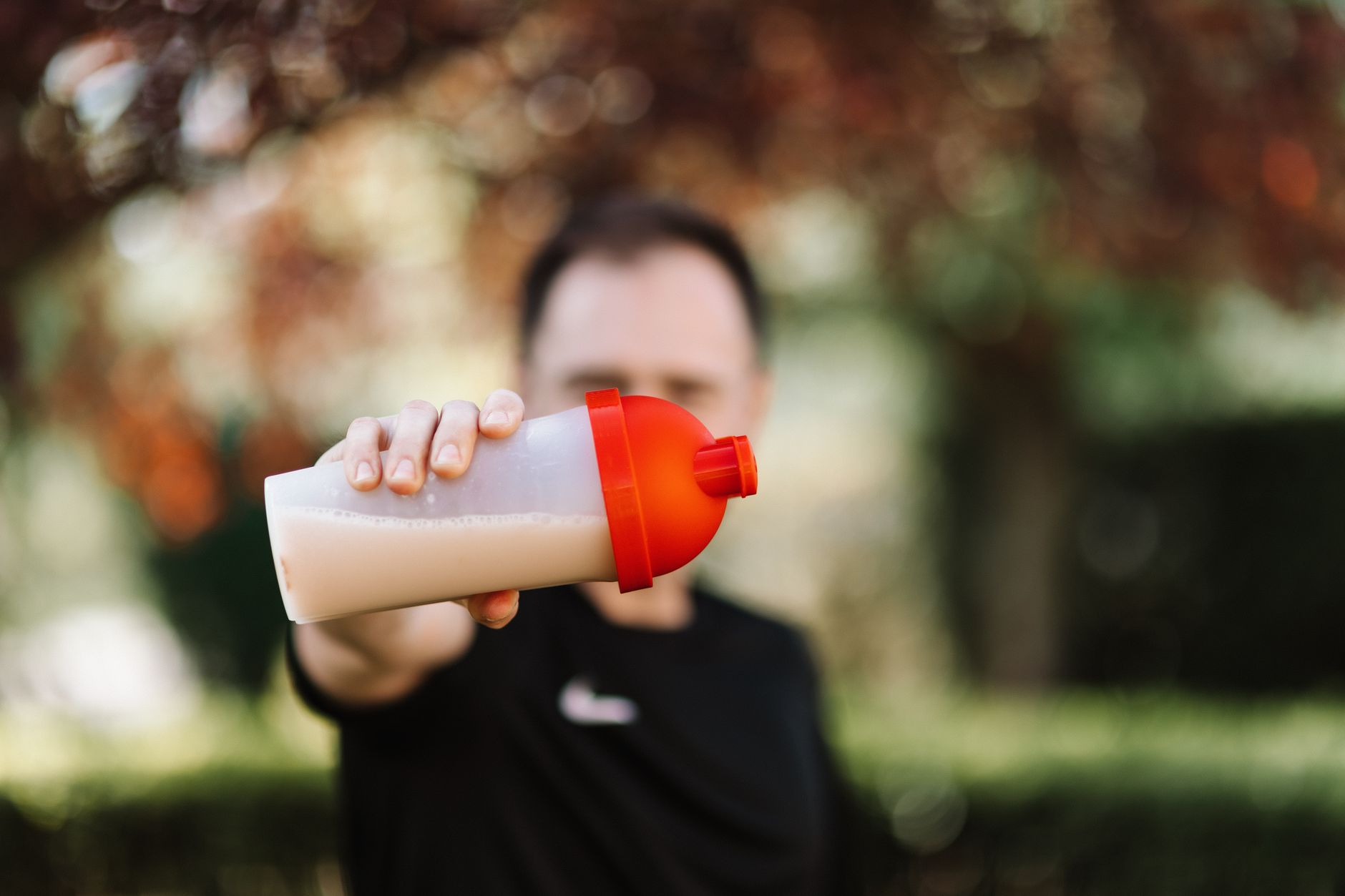
Protein shakes have become a popular choice for individuals looking to boost their protein intake, whether for fitness, weight management, or general health. With their convenience and variety, they can be tailored to suit specific dietary needs and preferences.
But how much protein is actually in a protein shake? Understanding the protein content is essential not only for those focused on fitness but also for anyone wanting to ensure they meet their dietary goals. This article will delve into the protein levels of different types of protein shakes, how to choose the right one, and factors that can affect protein content.
How Much Protein Is in a Protein Shake?
The amount of protein in a protein shake typically varies based on the type of protein used and the serving size. Most commercially available protein powders contain between 20 to 30 grams of protein per serving. However, the total protein in the shake can also be influenced by added ingredients like milk, yogurt, or nut butter.
Types of Protein Powders and Their Protein Content
Understanding the different types of protein powders can help you choose the one that’s right for you. Here’s a breakdown of the most commonly used protein powders:
- Whey Protein: Whey protein is derived from milk and is one of the most popular protein sources. It typically contains 20-25 grams of protein per serving. It is quickly absorbed by the body, making it ideal for post-workout recovery.
- Casein Protein: Also from milk, casein is absorbed slowly, providing a steady release of amino acids. A typical serving contains around 20-23 grams of protein.
- Plant-Based Protein: Options like pea protein, brown rice protein, and hemp protein are great alternatives for vegans or those with lactose intolerance. The protein content can range from 15-25 grams per serving, depending on the blend.
- Egg White Protein: This option contains about 20-25 grams of protein per serving. It is an excellent choice for those looking for a low-carb protein source.
- Collagen Protein: While not a complete protein, collagen is popular for skin and joint health. It usually contains 10-20 grams of protein, but lacks some essential amino acids.
Understanding Serving Sizes
When considering how much protein is in a protein shake, it’s essential to look at the serving size indicated by the manufacturer. Most protein powders suggest a one-scoop serving, typically weighing about 30 grams. However, it’s wise to check the packaging for specific information, as serving sizes can vary.
Homemade Protein Shakes
Making a protein shake at home allows you to control the ingredients, and often increases the protein content. Here’s how you can create your own protein shake with varying ingredients:
Basic Homemade Protein Shake Recipe
This easy recipe serves one and yields approximately 25-30 grams of protein.
- 1 scoop of protein powder (whey, casein, or plant-based)
- 1 cup of milk (dairy or plant-based)
- 1 tablespoon of nut butter (optional, adds 3-4 grams of protein)
- 1 medium banana or 1 cup of berries (optional for flavor)
Instructions:
- In a blender, combine all the ingredients.
- Blend until smooth and creamy.
- Taste and adjust sweetness if necessary, adding honey or maple syrup.
- Pour into a glass and enjoy!
Mixing and Matching Ingredients
Adding various ingredients can significantly increase the protein content of your shake:
- Greek Yogurt: This can add around 10-15 grams of protein per half-cup.
- Cottage Cheese: A great addition that offers about 14 grams of protein per half-cup.
- Nut Milks: While not as protein-rich as cow’s milk, some nut milks, like soy milk, can provide additional protein (around 7 grams per cup).
- Seeds: Chia seeds and flaxseeds offer additional protein (about 4 grams per ounce) as well as healthy fats.
Protein Content in Commercial Protein Shakes
Ready-to-drink protein shakes available on the market also vary in protein content:
- Standard Protein Shakes: Generally range from 20-30 grams of protein per 11-15 ounce serving.
- High-Protein Shakes: Some brands target athletes or those with higher protein needs, offering about 40 grams of protein per serving.
- Low-Protein or Meal Replacement Shakes: These may contain 10-20 grams of protein, aimed at being a more balanced meal.
How Much Protein Do We Need?
The recommended dietary allowance (RDA) for protein varies by age, sex, and level of physical activity:
- Adult women: About 46 grams per day
- Adult men: About 56 grams per day
- Active individuals may require more, often 1.2 to 2.0 grams of protein per kilogram of body weight.
Understanding your protein needs can help you determine how many protein shakes or additional protein source you might need in your diet.
Considerations When Choosing a Protein Shake
When selecting a protein shake, consider the following:
- Protein Source: Choose between animal-based or plant-based protein depending on your dietary restrictions and preferences.
- Additional Ingredients: Look for shakes that have minimal added sugars or artificial additives.
- Calories: Ensure the caloric content aligns with your dietary goals, especially if weight management is a factor.
Common Mistakes When Using Protein Shakes
Many individuals make mistakes that can undermine their goals regarding protein shakes:
- Over-relying on Shake as a Meal: While convenient, protein shakes should not replace whole meals consistently.
- Ignoring Nutrition Labels: Always check how much protein and additional ingredients are in the shake.
- Not Adjusting for Activity Level: Those who are more active may need to tailor their protein intake accordingly.
Possible Health Benefits
While protein shakes can support your protein needs, they may also offer several health benefits:
- Muscle Repair and Growth: Post-workout protein consumption can aid in muscle recovery.
- Weight Management: Protein can help promote satiety, which may assist in weight management.
- Bone Health: Protein is essential for maintaining healthy bones.
How to Incorporate Protein Shakes into Your Diet
Incorporating protein shakes into your diet is easy and can be varied to maintain interest:
- Post-Workout Recovery: Consume a shake right after workouts to support muscle recovery.
- Breakfast Addition: Blend a shake with oats or fruit for a nutritious breakfast.
- Snack: Use it as a healthy snack replacement to curb hunger between meals.
Storage and Preparation Tips
If you opt for homemade protein shakes, here are some storage and preparation tips:
- Refrigeration: Shake mixtures are best consumed fresh, but can be refrigerated for up to 24 hours.
- Ingredient Preparation: Pre-portion ingredients to make blending easier and faster.
- Freezing: You can freeze ingredients to keep them fresh longer. Just blend when ready to consume.
Conclusion
Understanding how much protein is in a protein shake is crucial for intelligently incorporating them into your diet. By considering the type, source, and additional ingredients, you can customize your shakes to meet your nutritional needs. Remember, consulting with a healthcare provider or dietitian can provide personalized advice tailored to your health goals.
For more ideas on protein-rich treats, check out our recipes for delicious protein brownies or energizing protein coffee.