
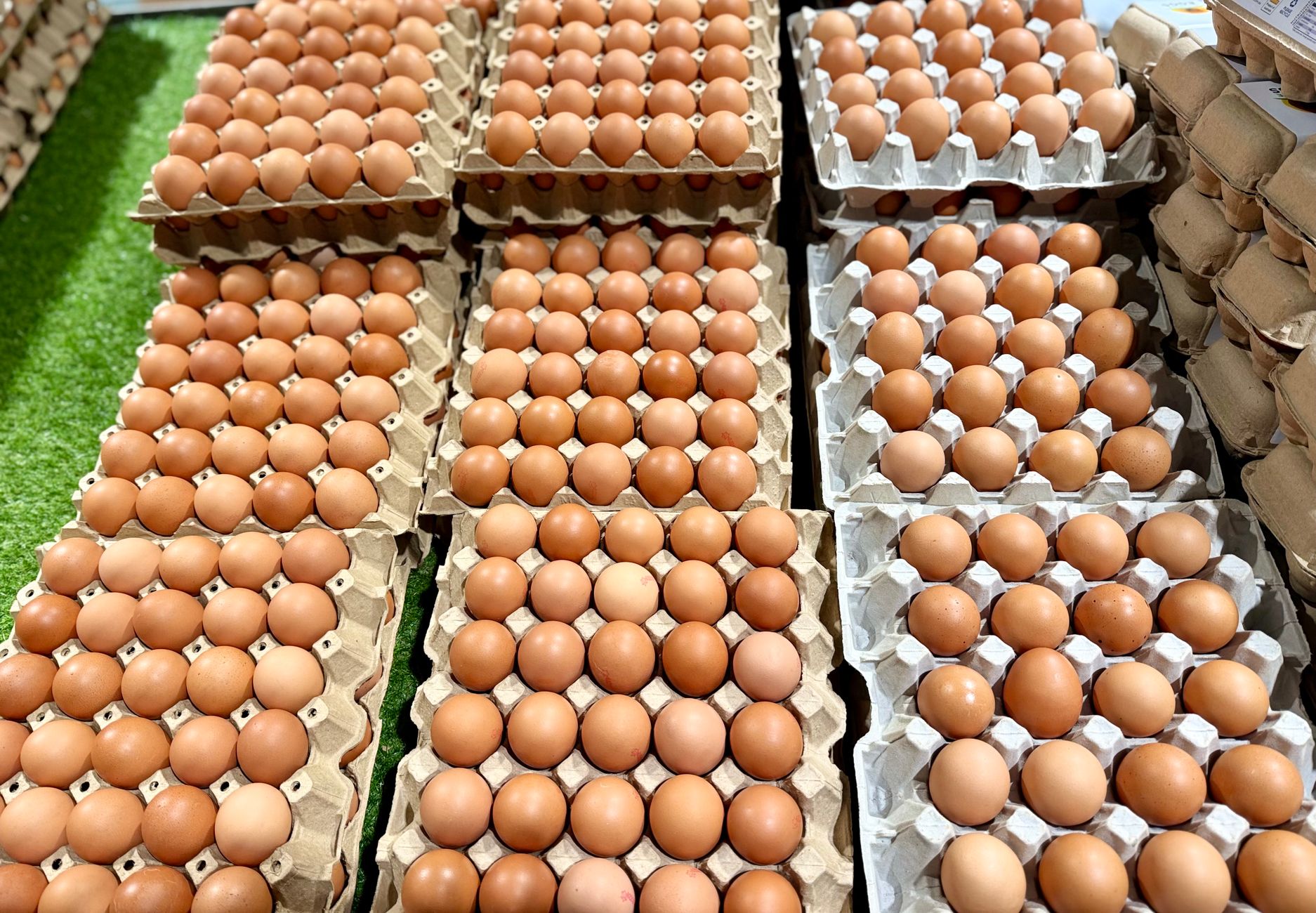
Understanding how eggs are made is essential for anyone interested in cooking or baking. Eggs serve as a fundamental ingredient in numerous recipes and are critical in various culinary techniques. Whether you are whipping up a meringue, preparing a custard, or simply enjoying a breakfast scramble, knowing the origin and nature of these versatile spheres will enhance your cooking experience.
This comprehensive guide will dive into the details of how eggs are formed, the different types available, and practical usage tips to incorporate them effectively into your meals.
How Are Eggs Made?
Eggs are produced through a natural biological process in female birds, primarily chickens in the context of culinary use. The formation involves several steps, starting from the ovary and concluding with laying the egg. Each egg has distinct layers and characteristics that affect its culinary applications.
The Science Behind Egg Formation
The process of egg formation in hens involves several stages:
- Ovary Development: The process begins in the hen’s ovaries, where yolks develop. Each yolk is surrounded by a follicle.
- Ovulation: When a yolk matures, it is released into the oviduct, where the layers of the egg are formed.
- Albumen Formation: As the yolk travels through the oviduct, it encounters layers of egg white (albumen), which provide nourishment and protection.
- Membrane Development: After the albumen, membranes are created around the egg, which further protects the yolk and white.
- Shell Formation: Finally, the egg moves into the shell gland where calcium carbonate forms the hard shell, providing a protective barrier.
- Laying the Egg: Once the egg is fully formed, it is laid by the hen, ready for collection.
The Structure of an Egg
Understanding the structure of an egg can help in determining its best uses in the kitchen. Here’s a breakdown of its components:
- Shell: The outer layer, usually composed of calcium carbonate, provides a natural barrier against bacteria.
- Membranes: Located just beneath the shell, these thin membranes keep the egg fresh and provide additional protection.
- Albumen: The egg white, which is primarily water and proteins, plays a vital role in various cooking methods, particularly in emulsions.
- Yolk: The yellow part of the egg, rich in fats and vitamins, serves as the primary source of nutrition for the developing embryo.
- Chalazae: Twisted strands of protein that anchor the yolk in the center of the egg, ensuring stability.
Types of Eggs
Knowing the types of eggs available can offer more options for your recipes:
- Chicken Eggs: The most common type used worldwide.
- Quail Eggs: Smaller and delicate, commonly used as garnishes or in upscale dishes.
- Duck Eggs: Slightly larger, richer in flavor, and have a higher fat content than chicken eggs.
- Goose Eggs: Larger than duck eggs, they have a strong flavor and are often used in special recipes.
- Organic and Free-Range Eggs: These types are derived from hens raised without antibiotics and with access to outdoor feed.
Culinary Uses of Eggs
Eggs can be utilized in countless recipes, serving various culinary functions:
- Binding: Eggs help bind ingredients together in recipes like meatloaf or casseroles.
- Leavening: The incorporation of air into beaten eggs allows for the rising of baked goods such as soufflés and cakes.
- Thickening: Custards and sauces often rely on eggs for thickening.
- Emulsification: Eggs are crucial in emulsifying dressings and sauces, such as mayonnaise, where oil and water need to combine.
- Flavoring: The yolk adds richness and flavor to various dishes.
Cooking Methods Using Eggs
Here are some popular cooking methods for eggs, each showcasing their versatility:
Boiling
Boiling eggs can be done in the following way:
- Place eggs in a pot and cover with cold water, ensuring an inch of water above the eggs.
- Bring the water to a rolling boil over medium-high heat.
- Once boiling, remove from heat, cover, and let sit for the desired time:
- Soft-boiled: 4-6 minutes
- Medium boiled: 7-9 minutes
- Hard-boiled: 10-12 minutes
- Transfer eggs to cold water to stop cooking, then peel.
Scrambling
To make scrambled eggs, follow these steps:
- Crack 2-3 eggs into a bowl. Add a splash of milk or cream for creaminess, and whisk until combined.
- Heat a non-stick skillet over medium heat and add a bit of butter or oil.
- Pour the egg mixture into the skillet. Let it sit for a few moments.
- Using a spatula, gently push the eggs from the edges toward the center. Cook until they are softly set but still slightly runny.
Making an Omelet
Omelettes are a delicious way to incorporate vegetables, meats, or cheeses:
- Beat a few eggs with salt and pepper in a bowl.
- Heat a non-stick skillet over medium-low heat and add butter.
- Pour in the egg mixture, tilting the pan to ensure even distribution.
- Allow the eggs to cook until slightly set, then add fillings of your choice to one half.
- Fold the omelet in half and let it cook for another minute.
Baking
Eggs undergo significant transformation during baking:
- Whip eggs for incorporation of air, providing leavening in cakes and soufflés.
- Fold eggs into batters gently to maintain their aeration.
- Monitor baking times closely, as eggs set and provide structure.
Serving Tips for Eggs
When serving eggs, presentation and pairing can enhance their appeal:
- Garnish: Fresh herbs or a sprinkle of cheese can elevate the dish.
- Pairings: Serve eggs alongside toast, fresh vegetables, or fruit for a balanced meal.
- Temperature: eggs are best served warm, as this enhances their flavors.
- Frying: For fried eggs, consider using a non-stick pan and a moderate amount of oil to achieve the desired doneness.
Common Mistakes When Cooking Eggs
To ensure success in your egg preparation, watch for these common pitfalls:
- Overcooking: This often results in a rubbery texture. Monitor cooking times closely.
- Under-seasoning: Always season your eggs to bring out their natural flavors.
- Not using fresh eggs: Fresher eggs have a better texture and taste.
- Ineffective separation: When separating yolks from whites, avoid any yolk in the whites if making meringues.
Storing Eggs
The way you store eggs can significantly affect their freshness:
- Refrigerate: Store eggs in the original carton in the fridge to prevent absorption of odors.
- Check compatibility: Eggs can last up to three to five weeks in the refrigerator beyond the sell-by date.
- Freeze for long-term storage: If you need to store eggs for a longer period, beat them and pour into ice cube trays; once frozen, transfer to a zip-top bag.
Practical Alternatives for Eggs
For those who may need to substitute eggs in recipes, consider these reliable alternatives:
- Unsweetened Applesauce: 1/4 cup can replace one egg in baking, providing moisture without altering flavor.
- Mashed Banana: 1/4 cup mashed banana can act as a binding agent, although it may impart a slight banana flavor.
- Silken Tofu: Blend 1/4 cup of silken tofu to replace one egg; it provides protein and moisture with neutral taste.
- Ground Flaxseed: Mix one tablespoon of ground flaxseed with three tablespoons of water and let sit for a few minutes to thicken.
Conclusion
Eggs are an integral ingredient in a wide range of culinary applications. Understanding their biology, uses, and cooking techniques can greatly enhance your cooking repertoire. By mastering methods such as boiling, scrambling, and baking while being aware of proper storage and alternatives, you’ll ensure your culinary creations shine.
For further insights, explore our guides on how many calories are in pho or how much applesauce equals one egg to enhance your cooking experience.