
Chocolate is a beloved treat around the world, enjoyed in various forms from bars to cakes and beverages. But have you ever wondered where chocolate originated? The journey of chocolate from its ancient roots to modern production is fascinating and reveals much about its cultural significance and culinary versatility.
This article explores the origins of chocolate, its production processes, and diverse culinary uses, inviting you to delve deeper into this delicious ingredient that has captivated taste buds for centuries.
Where Was Chocolate Made?
Chocolate was first made in the Mesoamerican region, particularly in modern-day Mexico and surrounding areas. The ancient Olmecs, followed by the Mayans and Aztecs, were the first civilizations to cultivate cacao and turn it into a beverage that was integral to their culture. This early chocolate is quite different from what we typically enjoy today.
The Cacao Plant: A Brief Overview
Chocolate is derived from the cacao tree, Theobroma cacao, which translates to “food of the gods.” This plant thrives in tropical climates, typically within 20 degrees latitude of the equator.
- Appearance: Cacao trees can grow up to 20 feet tall and have broad, oval leaves. The pods grow directly from the trunk and branches, holding seeds surrounded by a sweet pulp.
- Varieties: The main varieties of cacao tree are Criollo, Forastero, and Trinitario. Each has its own flavor profile and quality, influencing the taste of the final chocolate product. Criollo is known for its fine flavor, Forastero is more robust and bitter, while Trinitario is a hybrid.
Historical Context: The Ancient Uses of Cacao
The Olmecs, one of the earliest Mesoamerican civilizations, are believed to have been the first to cultivate cacao as early as 1500 BCE. They likely used it for ceremonial purposes and as a source of energy.
The Mayans, around 250-900 CE, deeply valued cacao. They created a drink called “xocolātl,” made by mixing ground cacao beans with water, chili peppers, and various spices. This bitter beverage was often served during rituals and celebrations, and it was consumed by the elite.
The Aztecs later adopted cacao, using its beans as currency and to make a drink that was often flavored with vanilla and honey. For them, cacao held symbolic and economic importance.
Transportation and Introduction to Europe
Chocolate’s journey beyond Mesoamerica began in the 16th century when the Spanish conquistadors returned to Europe with cacao beans. Initially, chocolate remained a luxury item reserved for the aristocracy.
By the 17th century, chocolate houses began to emerge in Europe, where the wealthy could indulge in drinking chocolate. Over time, sugar was added to sweeten the bitter drink, making it more appealing.
Chocolate Production Today
The modern process of making chocolate involves several steps, from growing cacao to refining and tempering the finished product. Here’s how it works:
1. Cultivation of Cacao
Cacao trees are grown in humid, tropical environments. They require a lot of care and consist of several stages:
- Harvesting: Cacao pods are ripe when they turn a bright color. Harvesters use machetes to cut the pods from the tree carefully.
- Fermentation: After opening the pods and removing the seeds surrounded by pulp, the seeds are placed in banana leaves or shallow boxes to ferment for several days. This process develops the beans’ flavor.
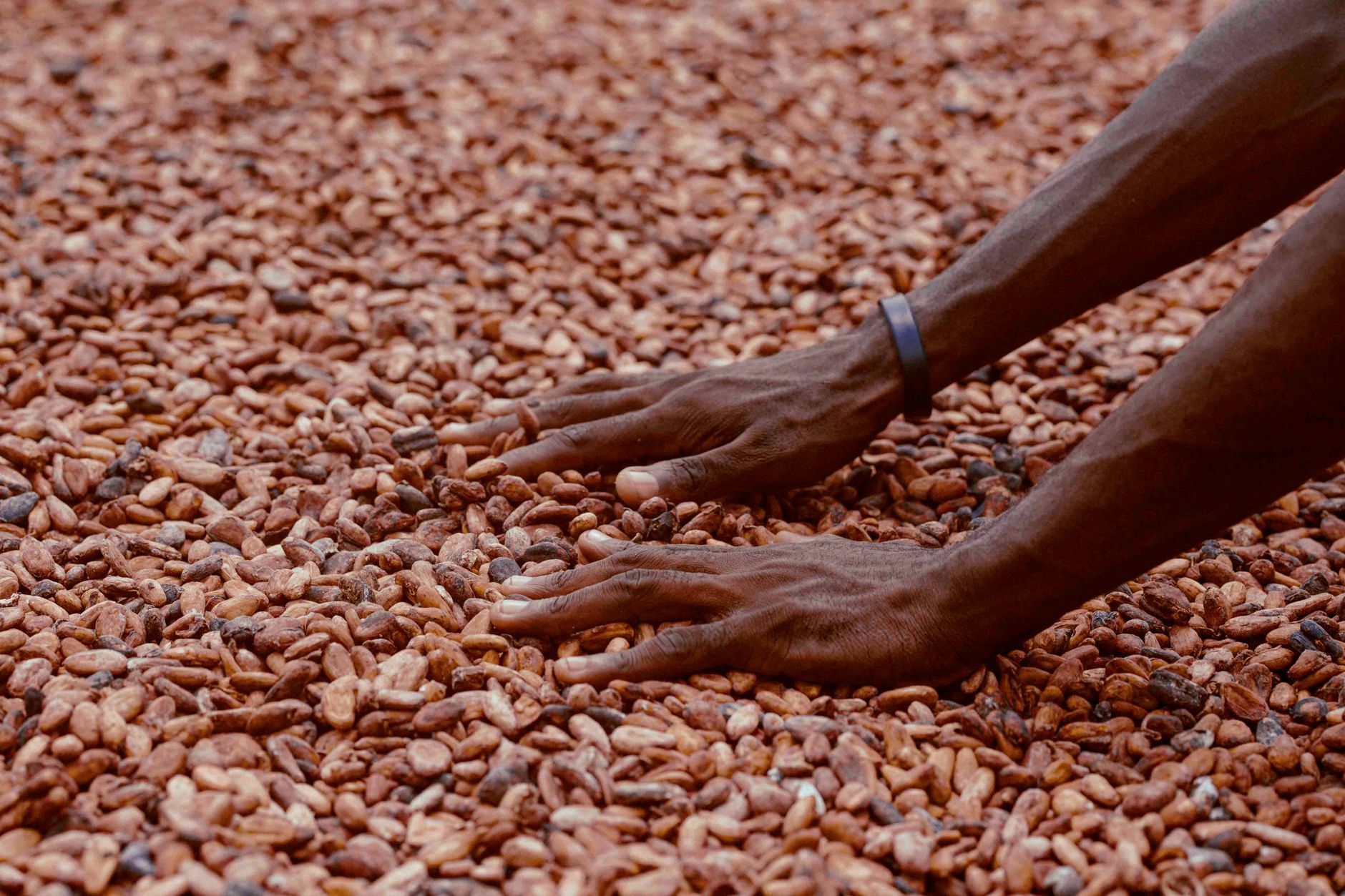
- Drying: After fermentation, the beans are spread out in the sun to dry, reducing their moisture content. This step is crucial to prevent mold and further enhance flavor.
2. Processing the Beans
Once dried, the cacao beans are shipped to chocolate manufacturers, where they undergo further processing:
- Roasting: The dried beans are roasted to intensify their flavor. The temperature and duration of roasting vary, affecting the final taste.
- Winemaking: After roasting, the beans are cracked open to separate the cacao nibs from the shells. The nibs contain the flavor-rich cocoa solids and cocoa butter.
- Grinding: The nibs are ground to create cocoa mass or chocolate liquor, which is used to make chocolate.
- Conching: This process involves continuously mixing the chocolate mass to improve its texture and flavor. It can take several hours to days.
- Tempering: Chocolate is heated and cooled to stabilize the cocoa butter crystals, resulting in a shiny finish and a satisfying snap when broken.
3. Creating Chocolate Products
After tempering, chocolate can be molded into bars, chips, or other shapes. Additional ingredients such as sugar, milk powder, and flavorings are often incorporated during this stage to create different varieties of chocolate:
- Dark Chocolate: Contains cocoa solids, cocoa butter, and sugar, with no milk. It is known for its rich flavor and health benefits.
- Milk Chocolate: Contains milk powder or condensed milk, cocoa solids, cocoa butter, and sugar, resulting in a creamier taste.
- White Chocolate: Made from cocoa butter, sugar, and milk but contains no cocoa solids, giving it a sweet and buttery flavor.
Culinary Uses of Chocolate
Chocolate’s versatility makes it a prominent ingredient in various cuisines around the world. Here are some popular uses:
Baking
Chocolate is a go-to ingredient in baking, lending flavor and moisture to an array of desserts:
- Chocolate Cakes: From rich and dense flourless cakes to layered chiffon cakes, chocolate adds depth and complexity.
- Brownies: These fudgy desserts are often made with melted chocolate or cocoa powder for a decadent treat.
- Cookies: Chocolate chips are the classic addition to cookie recipes, with variations like double chocolate or chunk cookies.
Desserts
Chocolate can elevate a variety of sweet dishes:
- Mousse: Chocolate mousse is a light and airy dessert made with whipped cream and chocolate, offering a melt-in-your-mouth experience.
- Puddings: Chocolate puddings provide a creamy, comforting dessert option for chocolate lovers.
- Custards and Tarts: Chocolate custards and tarts can be a delightful finish to any meal, showcasing rich flavors and textures.
Drinks
Chocolate has also inspired a range of beverages:
- Hot Chocolate: Made from cocoa powder or melted chocolate, it is a warming drink often enjoyed in colder months.
- Chocolate Cocktails: Chocolate liqueurs and syrups can enhance beverages like martinis or milkshakes.
- Mexican Hot Chocolate: This variation includes spices like cinnamon and chili, offering a unique twist on the classic drink.
Savory Dishes
Chocolate isn’t limited to sweets; it can add depth to savory dishes as well:
- Mole Sauce: A traditional Mexican sauce that combines chocolate with chilies, nuts, and spices, creating a rich and complex flavor profile.
- Chili: A touch of dark chocolate can enhance the flavors of chili, adding a subtle sweetness to balance the heat.
Storage and Handling of Chocolate
To maintain the quality of chocolate, proper storage is essential:
- Temperature: Store chocolate in a cool, dry place away from sunlight, ideally between 60°F to 70°F (15°C to 21°C).
- Aroma: Chocolate can absorb odors from its surroundings, so keep it in an airtight container to preserve its flavor.
- Freezing: You can freeze chocolate for longer storage, but allow it to come to room temperature before unwrapping to prevent condensation.
Common Mistakes and Troubleshooting
Working with chocolate can be a delicate process, and avoiding common pitfalls can help you achieve the best results:
- Seizing: If chocolate comes into contact with water, it can seize and become grainy. Use dry utensils and avoid moisture.
- Incorrect Tempering: Improperly tempered chocolate may have a dull finish and a poor texture. Ensure precise temperature control during the tempering process.
- Overheating: Avoid overheating chocolate when melting. Use gentle heat and stir frequently to prevent burning.
Conclusion
Chocolate’s journey from its ancient Mesoamerican origins to its present-day versatility has captivated people around the world. Understanding where chocolate came from enriches our appreciation for this beloved ingredient, whether we enjoy it in desserts, beverages, or savory dishes.
To dive deeper into the world of chocolate, why not try your hand at making some delicious Mexican hot chocolate or exploring unique chocolate recipes from Dubai? Check out our Dubai chocolate recipe and Mexican hot chocolate recipe for a taste of chocolate’s versatility.