
The sizzle of wide noodles hitting a hot wok, releasing that intoxicating aroma of soy and sesame, is what food dreams are made of. Chow fun is the ultimate comfort dish from Cantonese cuisine, delivering chewy rice noodles tossed with tender protein, crisp vegetables, and a savory sauce that coats every strand.
This restaurant-quality meal comes together in under 20 minutes at home, making it perfect for busy weeknights when you’re craving that authentic takeout flavor without the wait or the guilt. The beauty of chow fun lies in its simplicity and the way it adapts to whatever you have on hand.
Why You’ll Love This Recipe
Chow fun delivers restaurant-quality results with minimal effort and minimal cleanup. Here’s what makes it a keeper:
- Ready in 15 to 20 minutes from start to finish.
- Chewy, tender rice noodles that absorb flavor beautifully.
- Highly customizable with proteins and vegetables you prefer.
- Requires just one wok or large skillet.
- Tastes even better than most takeout versions.
My Experience Making This Recipe
I first fell in love with chow fun at a small dim sum spot in San Francisco’s Chinatown, and I’ve been chasing that flavor ever since. My version came close after years of trial and error, testing wok temperatures and sauce ratios until I nailed that perfect balance of savory and sweet.
The first time I made it for my family, the noodles had that authentic chew and the soy sauce had that deep, toasted flavor we remembered from the restaurant. My kids actually asked for seconds, which, let me tell you, almost never happens with homemade Asian food in this house.
The key moment came when I stopped overthinking the technique and started treating my cast iron skillet like a wok. Heat was everything, and once I cranked the burner to high and kept the ingredients moving, the dish came together with remarkable speed and flavor.
Recipe Overview
- Recipe Name: Chow Fun
- Servings: 4
- Prep Time: 15 minutes
- Cook Time: 8 minutes
- Total Time: 23 minutes
- Course: Main Dish
- Cuisine: Cantonese, Chinese
- Calories per Serving: 420
Equipment You Will Need
- Large wok or 12-inch cast iron skillet.
- Wooden spoon or wok spatula.
- Small bowl for mixing sauce.
- Cutting board and chef’s knife.
- Measuring spoons and cups.
- Paper towels.
Ingredients for Chow Fun
- 1 pound fresh rice noodles (about 1/4 inch wide).
- 3 tablespoons soy sauce.
- 1 tablespoon oyster sauce.
- 1 teaspoon sesame oil.
- 1/2 teaspoon white pepper.
- 2 tablespoons vegetable oil.
- 1/2 pound protein (shrimp, chicken, beef, or tofu, cut into bite-sized pieces).
- 2 cups bean sprouts.
- 4 green onions, cut into 2-inch pieces.
- 2 cloves garlic, minced.
- 1 tablespoon ginger, minced.
- Salt to taste.
Ingredient Notes and Substitutions
- Fresh rice noodles: These are soft and pliable, crucial for authentic texture. Dried rice noodles work but require soaking and yield a slightly different chew.
- Oyster sauce: Adds depth and umami that soy sauce alone cannot deliver. Fish sauce makes a worthy substitute but use less (start with half a teaspoon) since it’s more pungent.
- Sesame oil: The toasted variety adds that signature nutty flavor. Never use regular sesame oil as a swap; the flavor profile shifts entirely.
- Bean sprouts: Provide freshness and crunch. Mung bean sprouts are traditional; bok choy or snap peas work if that’s what you have.
- Protein options: Shrimp cooks fastest and pairs perfectly with noodles. Chicken breast, flank steak, or even scrambled eggs deliver equally delicious results with minor timing adjustments.
How to Make Chow Fun
Step 1: Separate and Loosen the Noodles
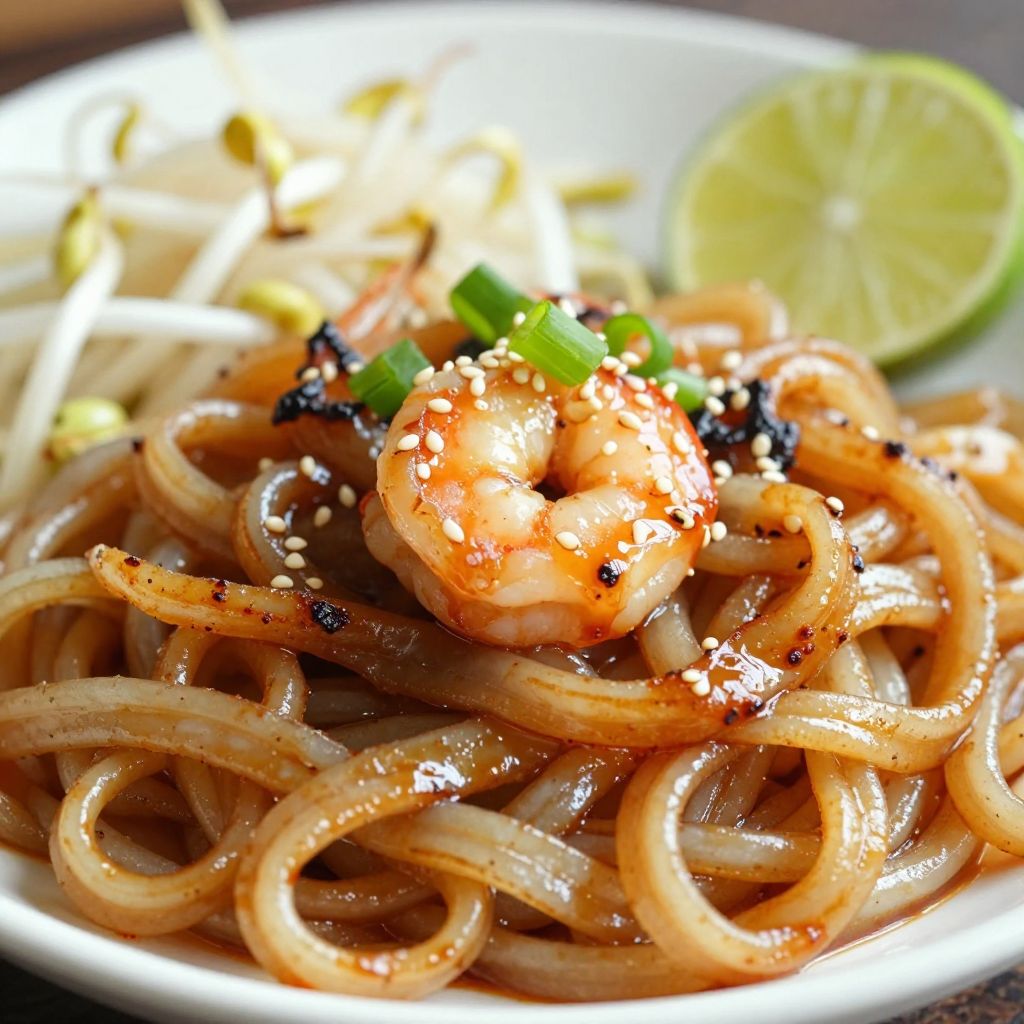
Place your fresh rice noodles on a cutting board and gently pull them apart with your fingers, breaking up any clumps. This prevents them from sticking together in the wok and ensures even coating with sauce.
Step 2: Mix the Sauce
In a small bowl, whisk together soy sauce, oyster sauce, sesame oil, and white pepper. Set the bowl aside within arm’s reach of your wok since you’ll add it quickly once cooking begins.
Step 3: Heat Your Wok or Skillet
Place your wok or large skillet over high heat for 2 to 3 minutes until it’s smoking hot. A properly heated wok is the secret to getting that wok hei (breath of the wok) flavor that makes takeout taste so good.
Step 4: Cook the Protein
Add 1 tablespoon of vegetable oil to the hot wok, then immediately add your protein. Stir constantly until cooked through (about 2 to 3 minutes for shrimp, 4 to 5 for chicken), then transfer to a clean plate.
Cooking the protein separately prevents it from overcooking when you toss everything together later and ensures it stays tender rather than rubbery.
Step 5: Aromatics and Vegetables
Add the remaining tablespoon of oil, then immediately add minced garlic and ginger. Stir for about 10 seconds until fragrant, then add your bean sprouts and green onions.
Quick cooking of aromatics releases their oils into the wok, creating the flavor base for your entire dish. You want them fragrant but not browned.
Step 6: Add the Noodles
Add the loosened rice noodles directly to the wok, working in batches if needed to avoid crowding. Keep the noodles moving with your spatula, breaking them apart as they warm through (about 2 minutes).
Constant movement prevents sticking and allows the noodles to absorb the heat evenly, creating that perfect tender-chewy texture.
Step 7: Pour in the Sauce
Pour your mixed sauce over the noodles and add the cooked protein back to the wok. Toss everything together vigorously for about 1 to 2 minutes until every noodle is coated and the sauce is evenly distributed.
The sauce needs to be distributed quickly and evenly before the moisture reduces, creating that glossy, flavorful coating you’re after.
Step 8: Taste and Adjust
Remove from heat and taste a noodle. Add salt as needed (most soy sauces vary in saltiness, so you might need more or none at all).
Tasting before serving is your final quality check and prevents that “too salty” or “too bland” disappointment at the table.
Pro Tip: Keep everything prepped and within reach before you turn on the heat. Chow fun moves fast, and you won’t have time to chop garlic once the wok is screaming hot.
Tips for the Best Chow Fun
- Use the highest heat your stove produces and don’t be afraid of smoke. High heat creates that restaurant-quality sear and flavor.
- Never add cold ingredients to the hot wok unless you want to lower the temperature. Let proteins and vegetables come to room temperature first.
- Fresh rice noodles are non-negotiable for authentic texture. Check the refrigerated section of your Asian market, not the dried goods aisle.
- Don’t overcrowd the wok. Work in batches if needed, especially with noodles, so they cook evenly and develop that light char.
- Add your sauce just before finishing so it coats the noodles without making them soggy or causing excess liquid to accumulate.
- A wok or large skillet with plenty of surface area lets heat distribute evenly and gives you room to toss without spillage.
Common Mistakes to Avoid
- Using dried rice noodles without soaking them first results in clumpy, mushy noodles that won’t coat properly with sauce.
- Cooking at medium heat instead of high heat gives you soft, limp noodles instead of that signature chewy, slightly charred texture.
- Adding too much sauce at once makes the dish soggy and dilutes the flavors instead of coating the noodles evenly.
- Skipping the aromatics (garlic and ginger) means losing the flavor foundation that makes chow fun taste like actual chow fun.
- Overcooking the protein before adding it to the wok causes it to dry out further when tossed with hot noodles.
Serving Suggestions
Serve your chow fun hot straight from the wok into bowls, and pair it with sides that complement the savory richness of the dish. Fresh, cool accompaniments balance the warmth and richness perfectly.
- Steamed bok choy or broccoli on the side for extra vegetables.
- A simple cucumber salad with rice vinegar and sesame oil for acid and crunch.
- Sriracha or chili oil on the table for heat lovers.
- Steamed jasmine rice to stretch the dish further if feeding a crowd.
- Fresh lime wedges to squeeze over the top for brightness.
Variations to Try
- Beef Chow Fun: Swap shrimp for thinly sliced flank steak and marinate it in soy sauce and cornstarch for 15 minutes before cooking. The beef brings a deeper, meatier flavor that pairs beautifully with the savory sauce.
- Vegetable Chow Fun: Skip the protein and add extra vegetables like mushrooms, bell peppers, and carrots. Tofu or cashews can add texture and substance if you want something more filling.
- Spicy Chow Fun: Add 1 to 2 teaspoons of chili paste or sriracha to your sauce, and include fresh Thai chilies or red pepper flakes to the wok when you cook the aromatics.
- Singapore-Style Chow Fun: Add 1/2 teaspoon of curry powder to the sauce and include a beaten egg tossed in just before serving for a richer, more complex flavor profile.
- Scallop Chow Fun: Use fresh scallops instead of shrimp for an elevated version perfect for special occasions. Pat them dry before cooking to ensure proper browning.
Dietary Adaptations
- Gluten-Free: Use tamari instead of soy sauce to keep everything gluten-free. Rice noodles are naturally gluten-free, so this is an easy adaptation with no flavor sacrifice.
- Dairy-Free: This recipe is already dairy-free, so no changes needed. Just verify your sauces don’t contain any hidden dairy or additives.
- Vegan/Vegetarian: Replace protein with extra-firm tofu, tempeh, or cashews, and swap oyster sauce for soy sauce or a vegan oyster sauce alternative. The dish remains filling and flavorful without the meat.
- Low-Carb/Keto: Replace rice noodles with zucchini noodles or shirataki noodles and increase the protein and oil content. You’ll lose some authenticity but keep the core flavors and reduce carbs significantly.
Storage and Reheating
Refrigerator
Transfer leftovers to an airtight container and refrigerate for up to 3 days. The noodles firm up as they cool but reheat beautifully.
- Store sauce separately if possible to prevent the noodles from absorbing excess moisture.
- Keep proteins and vegetables together in the same container for easy reheating.
Freezer
Chow fun freezes well for up to 2 months, though the noodle texture becomes slightly softer after thawing. Store in a freezer-safe container or resealable bag, pressing out excess air.
- Freeze in individual portions for quick weeknight meals.
- Label with the date so you remember what you have on hand.
Reheating
Reheat in a wok or skillet over high heat for 2 to 3 minutes, stirring constantly to warm through evenly. Add a splash of soy sauce or a drizzle of sesame oil if the noodles seem dry.
- Microwave works in a pinch but won’t restore the texture as well as stovetop reheating.
- If frozen, thaw overnight in the refrigerator before reheating.
Nutrition Information
| Nutrient | Amount |
|---|---|
| Calories | 420 |
| Total Fat | 14g |
| Saturated Fat | 2g |
| Carbohydrates | 54g |
| Fiber | 2g |
| Sugar | 3g |
| Protein | 18g |
| Sodium | 680mg |
| Cholesterol | 95mg |
Nutritional values are approximate and vary depending on your specific ingredients and portion sizes. These figures assume shrimp as the protein and are calculated per serving of a 4-serving batch.
Frequently Asked Questions
Can I make chow fun without a wok?
Absolutely. A large cast iron skillet or stainless steel skillet works beautifully and heats just as evenly as a wok. The only trade-off is slightly less dramatic tossing, but the end result tastes just as good.
How do I prevent my rice noodles from sticking together?
Loosen them by hand before cooking, and make sure your wok is hot before adding the noodles. Cooking them in a hot wok with oil prevents any sticking and helps them develop that signature chew.
Can I prep chow fun ahead of time?
You can prep all ingredients ahead, but cook the dish fresh just before eating. Cooked chow fun gets mushy if it sits around, even in the refrigerator.
What’s the difference between chow fun and chow mein?
Chow fun uses wide, flat rice noodles with a chewy texture, while chow mein uses thinner, crispier wheat noodles. Chow fun is also tossed gently in sauce, while chow mein is often stirred more vigorously to create crispy edges.
Why does my chow fun taste nothing like the restaurant version?
Three common reasons: you’re not using high enough heat, you’re using dried instead of fresh rice noodles, or you’re not using oyster sauce. All three are crucial for that authentic takeout flavor.
Can I add eggs to chow fun?
Yes. Beat 2 eggs, scramble them in the wok before cooking the protein, set aside, then add them back at the end. The eggs add richness and mimic the style of Singapore chow mei fun.
Final Thoughts
Chow fun proves that restaurant-quality food doesn’t require fancy techniques or obscure ingredients. A hot wok, fresh noodles, and a simple sauce come together in under 20 minutes to deliver something you’ll crave again and again.
Make this tonight and taste the difference real heat and proper technique make. Your kitchen will smell like an authentic dim sum spot, and your family will wonder how you pulled off something this good at home.
If you loved this recipe, explore our collection of Asian noodle dishes and stir-fry techniques. Check out our Benihana fried rice recipe for another quick, crowd-pleasing main, or learn how to make glass noodles for a delicate, elegant side dish that pairs perfectly with chow fun. Each recipe brings authentic flavor to your table with minimal fuss.
Chow Fun
Ingredients
Equipment
Method
- Place 1 pound fresh rice noodles on a cutting board and gently separate any clumps by hand to prevent sticking.
- In a small bowl, whisk together 3 tablespoons soy sauce, 1 tablespoon oyster sauce, 1 teaspoon sesame oil, and 1/2 teaspoon white pepper; set aside.
- Heat a large wok or skillet over high heat for 2 to 3 minutes until smoking hot.
- Add 1 tablespoon vegetable oil to the hot wok, then add 1/2 pound of your chosen protein; stir constantly for 2 to 5 minutes until cooked through, then transfer to a plate.
- Add remaining 1 tablespoon vegetable oil, then add minced garlic and ginger; stir for 10 seconds until fragrant.
- Add 2 cups bean sprouts and 4 green onions; stir-fry for 1 minute.
- Add rice noodles to the wok, working in batches if needed; stir constantly for about 2 minutes until noodles are warmed through.
- Pour the sauce mixture over the noodles and return the cooked protein to the wok; toss vigorously for 1 to 2 minutes to coat evenly.
- Remove from heat, taste, and add salt as needed; serve immediately.