
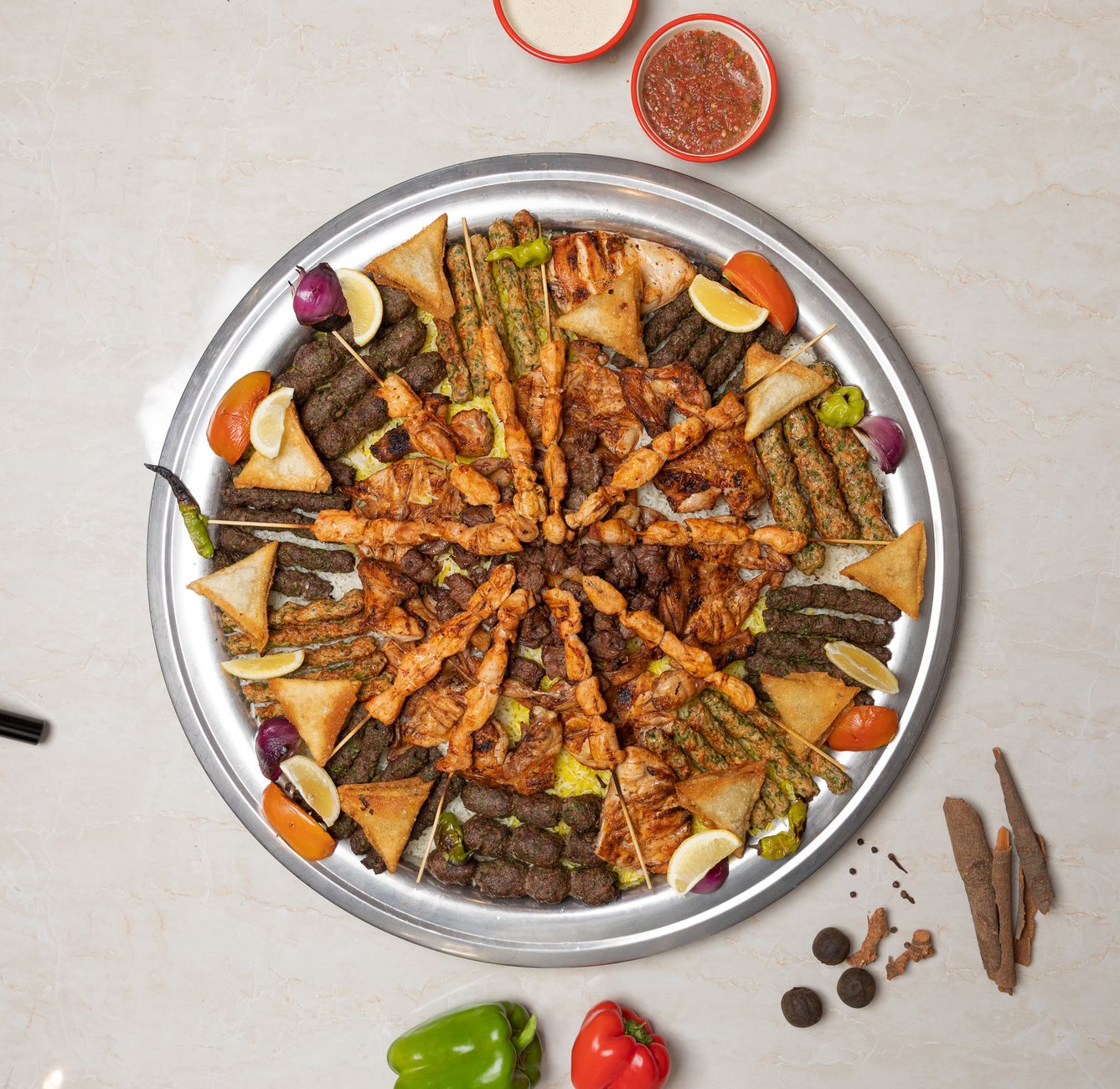
Kebab meat is a versatile and flavorful ingredient commonly used in various cuisines around the world. Typically made from minced or cubed meat, kebab meat can be grilled, roasted, or skewered, lending itself to a multitude of dishes that range from casual street food to gourmet offerings.
This article will explore the various types of kebab meat, its key ingredients, flavor profiles, serving suggestions, and preparation techniques. Whether you are a seasoned cook or just beginning your culinary journey, understanding kebab meat will enhance your cooking repertoire.
What Is Kebab Meat?
Kebab meat refers to pieces of meat, usually skewered and grilled, that can be prepared from various sources, including lamb, beef, chicken, or even fish. The preparation and seasoning methods vary by region, contributing to a diverse range of flavors and textures associated with kebabs.
Types of Kebab Meat
There are several popular types of kebab meat, each having its distinct flavor and preparation style. Some of the most common include:
- Shish Kebab: Cubes of marinated meat (often lamb, beef, or chicken) skewered and grilled. Marination often includes ingredients like yogurt, garlic, and spices.
- Doner Kebab: Thinly sliced meat (usually lamb or chicken) prepared on a vertical rotisserie and served in a wrap or as a plate with rice.
- Kofta Kebab: Ground meat, typically lamb or beef, mixed with spices and herbs, formed into patties, and grilled or baked.
- Seekh Kebab: Minced meat (commonly lamb or beef), seasoned with spices, shaped onto skewers, and grilled. It is popular in South Asian cuisines.
- Adana Kebab: A spicy ground meat kebab, made with minced lamb, typically flavored with pepper, and shaped around a skewer.
Ingredients in Kebab Meat
At its core, kebab meat incorporates a few main ingredients, around which much of the flavor revolves. Here’s a breakdown of essential components:
- Meat: The primary component, usually comprising lamb, beef, chicken, or fish. Quality meat enhances flavor and texture.
- Fat: The right amount of fat is crucial for moisture and taste, with lamb typically having a higher fat content, while chicken is leaner.
- Spices and Herbs: Common additions include cumin, coriander, paprika, parsley, mint, and garlic, adding depth and vibrance to the flavor.
- Acid: Ingredients like lemon juice or vinegar may be used in marinades to tenderize the meat and enhance its flavor by balancing richness.
- Binders: For ground meat kebabs, ingredients like breadcrumbs or eggs may be added to help the mixture hold together during cooking.
Flavor Profile of Kebab Meat
The flavor of kebab meat varies significantly depending on its ingredients, preparation method, and regional influences. Here are some key characteristics:
- Richness: The meat’s fat content contributes to a rich flavor, especially in lamb and beef variations.
- Spiciness: Many kebabs feature aromatic spices with varying heat levels, often tailored to regional preferences.
- Herbaceousness: Fresh herbs like parsley and mint provide brightness, balancing the richness and adding freshness.
- Smokiness: Grilling or charcoal methods impart a unique smoky flavor that enhances the overall taste.
How to Serve Kebab Meat
Serving kebab meat can vary widely based on cultural customs and personal preferences. Here are some popular ways to enjoy it:
- On Skewers: Serve shish kebabs directly on skewers for an authentic presentation.
- In Wraps: Use lavash, pita, or flatbreads to create kebab wraps, often accompanied by sauces like tahini, garlic sauce, or yogurt.
- On Plates: Serve kebabs on a platter with accompaniments such as rice, grilled vegetables, and salad.
- As Part of a Feast: Incorporate kebabs into a mezze platter with hummus, tabbouleh, stuffed grape leaves, and olives for a shared dining experience.
Preparation Techniques for Kebab Meat
Preparing kebab meat involves several techniques, often starting with marination and concluding with grilling or baking. Here’s a step-by-step process:
Marination
Marinating kebab meat adds flavor and moisture, improving tenderness.
- Choose your meat: Select high-quality cuts of your chosen meat, whether lamb, beef, or chicken.
- Prepare the marinade: Combine ingredients such as yogurt, lemon juice, minced garlic, and spices in a bowl.
- Add the meat: Coat the meat well with the marinade, ensuring all surfaces are covered.
- Let it marinate: Cover and refrigerate for at least one hour, but ideally overnight to deepen the flavors.
Skewering
For skewered kebabs, you’ll need to thread the marinated meat onto skewers.
- Using wooden skewers? Soak them in water for at least 30 minutes to prevent burning.
- Alternate meat with vegetables: Thread pieces of bell peppers, onions, or zucchini between the meat for added flavor and texture.
Cooking Methods
Kebab meat can be cooked using various methods, each imparting a different flavor profile.
Grilling
- Preheat the grill to medium-high heat (about 400-450°F).
- Oil the grill grates to prevent sticking.
- Add the skewers: Place onto the grill and cook, turning every few minutes for even cooking.
- Check for doneness: Use a meat thermometer to ensure internal temperatures reach safe levels—165°F for chicken, 145°F for beef or lamb.
Baking
- Preheat your oven to 400°F (200°C).
- Place kebabs on a baking sheet lined with parchment paper.
- Bake for about 20-25 minutes, turning halfway through until the meat is fully cooked.
Pan-Frying
- Heat a skillet or frying pan over medium heat with a bit of oil.
- Add kebabs and cook, turning occasionally for about 10-15 minutes or until fully cooked.
Common Mistakes to Avoid with Kebab Meat
When preparing kebab meat, several common pitfalls can affect the final result. Keep these in mind:
- Using low-quality meat: Quality matters. Choose fresh, high-quality meat for the best flavor and texture.
- Skipping marination: Marination enhances taste and tenderness, so never skip this step.
- Overcrowding skewers: If skewers are too crowded, the meat won’t cook evenly. Leave space for heat to circulate.
- Not checking doneness: Use a meat thermometer to avoid undercooked meat or dry, overcooked results.
Practical Substitutions for Kebab Meat
Sometimes, you may not have certain ingredients on hand, or you might want to try different flavors. Here are some practical substitutions:
- Lamb: Substitute with pork or beef for a different richness and flavor.
- Chicken: Use turkey or even firm white fish for lighter kebabs.
- Yogurt in marinade: Replace with coconut milk or buttermilk for a dairy-free option.
- Spices: If you lack specific spices, try a pre-made kebab spice mix or curry powder as an alternative.
How to Store and Reheat Kebab Meat
Proper storage can extend the life of your kebab meat and ensure it maintains its flavor and safety.
Storage
- Refrigerate any leftover kebabs in an airtight container for up to three days.
- For longer storage, consider freezing kebab meat. Wrap it tightly in plastic wrap and then aluminum foil before placing it in the freezer. Use within 2-3 months for best quality.
Reheating
- For refrigerated kebabs, reheat in an oven preheated to 350°F (175°C) for about 10-15 minutes to warm through.
- If frozen, thaw overnight in the refrigerator and then reheat in the oven as described above.
- Alternatively, reheating on the grill can add back some of the smoky flavor.
Regional Variations of Kebab Meat
Kebab meat has a rich tradition across various cultures, leading to unique flavors and preparation methods. Here are some highlights from different regions:
- Middle Eastern Kebab: Often features spices like sumac and is frequently served with garlic sauce or tahini.
- South Asian Kebab: Tends to be more heavily spiced, with options like seekh kebabs frequently served with green chutney.
- Turkish Kebab: The doner kebab is popular, often served in a wrap with vegetables and garlic yogurt sauce.
- Greek Kebab: Known as souvlaki, grilled on skewers and typically served with tzatziki sauce.
Culinary Tips for Perfect Kebab Meat
Mastering kebab meat can take practice, and certain culinary tips can enhance your skills:
- Use a meat thermometer: It helps ensure your meat reaches a safe internal temperature without overcooking.
- Let the kebabs rest: After cooking, allow them to rest for a few minutes to retain juices.
- Experiment with marinades: Don’t hesitate to try different herbs and spices; it can lead to incredible flavor combinations.
- Invest in good skewers: Metal skewers can help retain heat better than wooden ones, plus they’re reusable.
Understanding kebab meat can unlock exciting culinary possibilities. With its rich flavors, diverse types, and healthy preparation methods, kebab meat stands out in any meal plan. Whether you aim for street food-style wraps or gourmet plated dishes, mastering kebabs can enhance your culinary repertoire significantly.
To elevate your meals further, explore our delicious lamb ribs recipe and indulge in a unique take on flavors with our koobideh recipe. Happy cooking!