
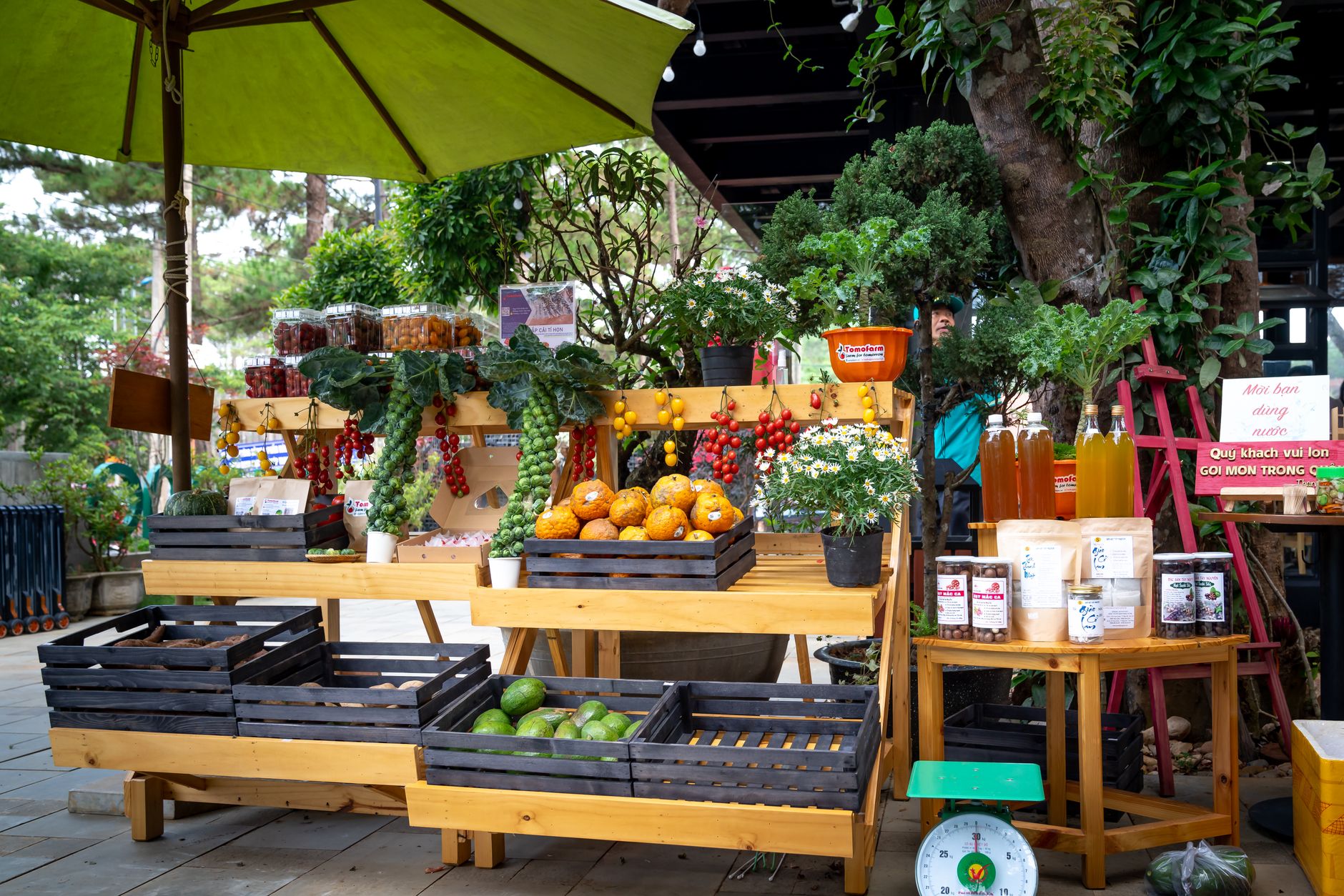
A no sugar diet is a dietary approach that restricts or eliminates added sugars from food intake, focusing instead on whole foods that naturally contain little to no sugars. The aim is often to improve health, enhance weight management, and stabilize blood sugar levels.
This diet can lead to a greater awareness of food choices, encouraging the consumption of nutrient-dense items such as fruits, vegetables, whole grains, and proteins, while reducing processed foods that often contain hidden sugars.
What Is a No Sugar Diet?
A no sugar diet primarily focuses on cutting out added sugars, which are sugars added during food processing or preparation. This contrasts with naturally occurring sugars found in fruits and dairy, which are generally not restricted. The benefits of this diet can include better energy levels, reduced cravings, and improvements in overall health.
It’s essential to distinguish between added sugars and natural sugars. For example, while a no sugar diet eliminates cookies and sugary drinks, it typically allows fruits and certain dairy products which contain natural sugars. This sustainable approach helps many people transition away from a sugar-rich diet without feeling deprived.
Understanding Added Sugars
Added sugars can be found in various forms and are often listed on food labels under different names, including:
- Cane sugar
- High-fructose corn syrup
- Honey
- Agave nectar
- Maple syrup
These sugars contribute to the total caloric intake without offering substantial nutrients, making them a common target for elimination in a no sugar diet.
Benefits of a No Sugar Diet
Eliminating added sugars from your diet can provide several health benefits:
- Weight Management: Reducing sugar intake can help control caloric consumption, making it easier to maintain or lose weight.
- Improved Energy Levels: Cutting out sugar can lead to more stable blood sugar levels, reducing energy crashes and spikes.
- Better Mood Control: Research suggests that excessive sugar consumption may be linked to mood swings and anxiety.
- Heart Health: High sugar diets have been associated with an increased risk of heart disease; thus, reducing sugar may lower this risk.
- Improved Dental Health: Limiting sugar can reduce the risk of cavities and gum disease.
Nutrition and Meal Planning on a No Sugar Diet
When planning meals on a no sugar diet, it’s beneficial to focus on whole, unprocessed foods. Here’s a suggested framework to help guide your meal planning:
Balanced Meals
A well-rounded meal should contain protein, healthy fats, and carbohydrates from whole food sources:
- Protein: Lean meats, fish, tofu, legumes, eggs
- Healthy Fats: Avocado, nuts, seeds, olive oil
- Carbohydrates: Vegetables, whole grains, and fruits (in moderation)
Portion Control
Even healthy foods can lead to weight gain if consumed in excess. Pay attention to portion sizes, especially for higher-calorie items like nuts and oils. Use measuring cups or a kitchen scale to ensure you’re serving appropriate portions.
Sample Meal Plan
Here is a one-day sample meal plan for a no sugar diet:
- Breakfast: Scrambled eggs with spinach and tomatoes, served with a side of sliced avocado.
- Lunch: Grilled chicken salad with mixed greens, cucumber, bell peppers, olive oil, and lemon dressing.
- Snack: A small handful of unsalted almonds or a piece of whole fruit like an apple.
- Dinner: Baked salmon with quinoa and steamed broccoli seasoned with herbs.
- Dessert: Chia pudding made with coconut milk, topped with fresh berries (check for added sugars in your coconut milk!).
Meal Ideas for a No Sugar Diet
Considering the lack of sweeteners in a no sugar diet, here are some meal ideas that are both satisfying and diverse:
Breakfast Ideas
- Overnight oats made with almond milk, topped with nuts and seeds.
- Vegetable omelet loaded with bell peppers, onions, and mushrooms.
- Smoothie made with spinach, avocado, unsweetened almond milk, and a small portion of frozen berries.
Lunch Ideas
- Quinoa and black bean bowl with corn, avocado, and cilantro lime dressing.
- Turkey and avocado lettuce wraps with a side of carrot sticks.
- Chickpea salad with cucumbers, tomatoes, olives, and a simple dressing of olive oil and vinegar.
Dinner Ideas
- Zucchini noodles with marinara sauce (without added sugars) and grilled shrimp.
- Lentil stew made with carrots, celery, and spices.
- Baked chicken thighs marinated in olive oil, garlic, and rosemary, accompanied by roasted Brussels sprouts.
Snack Ideas
- Cucumber slices with hummus.
- Celery sticks with almond butter.
- Hard-boiled eggs sprinkled with salt and pepper.
Common Mistakes to Avoid on a No Sugar Diet
Transitioning to a no sugar diet can present challenges. Here are a few common pitfalls and how to avoid them:
- Overlooking Hidden Sugars: Many packaged foods, even those labeled “healthy,” can contain added sugars. Always read labels carefully.
- Underestimating Portion Sizes: While you may choose healthier options, it’s still crucial to monitor your portion sizes to prevent overeating.
- Relying Too Heavily on Sugar Substitutes: Some artificial sweeteners can lead to cravings for sugar. Limit their use and focus on whole foods.
- Lacking Variety: Eating the same meals repeatedly can lead to boredom. Experiment with different recipes and ingredients.
Shopping Tips for a No Sugar Diet
When shopping for groceries while on a no sugar diet, consider the following tips to ensure your pantry is filled with healthy options:
- Focus on the Perimeter: Most grocery stores place whole foods like fruits, vegetables, and meats around the perimeter of the store. Aim to fill your cart with these items.
- Read the Labels: Check for added sugars in sauces, dressings, and snacks. Items can be deceptive, so it’s essential to verify ingredients.
- Buy in Bulk: Purchasing items like nuts, seeds, and grains in bulk can save money and help stock your kitchen with healthy staples.
- Plan Your Meals: Go into the store with a shopping list based on your meal plan to help avoid impulse buys.
Long-Term Sustainability of a No Sugar Diet
While a no sugar diet can be beneficial in the short term, long-term adherence may be challenging. To maintain a balanced diet while still enjoying life’s sweet moments, consider these strategies:
- Practice Moderation: Instead of completely eliminating all forms of sugar, allow for small amounts of added sugars on occasion.
- Explore Natural Sweeteners: Opt for natural sweeteners, such as stevia or small amounts of honey, as a way to satisfy your sweet tooth without excesses.
- Listen to Your Body: Pay attention to how your body responds to various foods. This awareness helps ensure you enjoy a varied diet that still prioritizes health.
Additional Resources
To further enhance your experience on a no sugar diet, you might find the following resources helpful:
- Nutrition blogs and websites often provide recipes and meal ideas.
- Books focused on sugar-free living can offer support and motivation.
- Recipe databases can help you discover new ideas for sugar-free meals and snacks.
Transitioning to a no sugar diet requires commitment and careful planning. However, with the right resources and mindset, it can lead to improved health and well-being. Include plenty of variety, be patient with yourself, and enjoy the journey of discovering new tastes and textures.
To learn how to incorporate more healthy recipes into your routine, check out our Chia Pudding Recipe and Protein Cookies Recipe for delicious meal ideas without added sugars!