
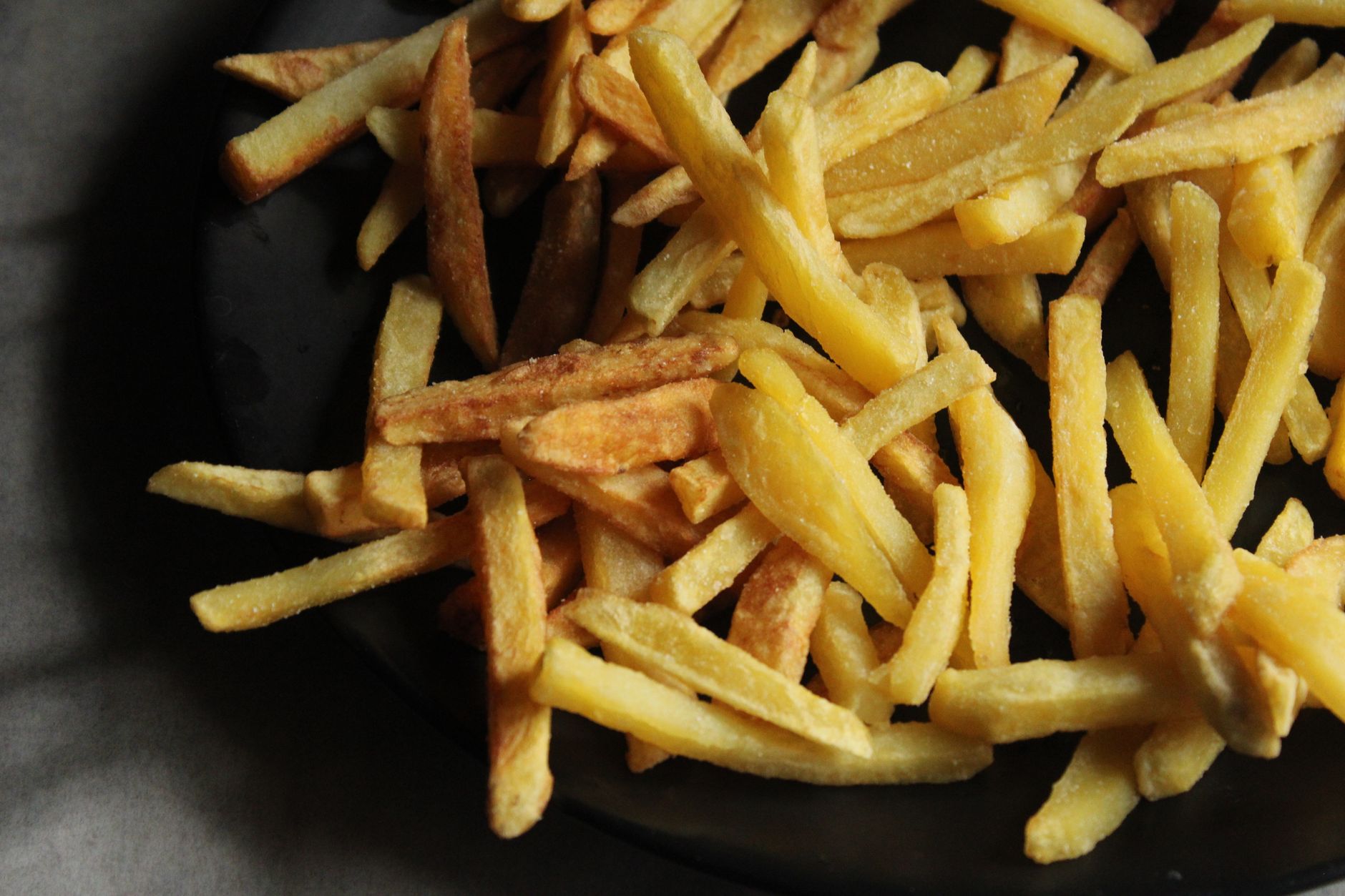
French fries are a beloved snack and side dish enjoyed worldwide, often paired with burgers, sandwiches, or served as a standalone treat. Despite their popularity, many people are conscious of their dietary choices and are curious about the nutritional content of fries, including their carbohydrate content.
This article provides an in-depth look at how many carbs are in fries, breaks down their nutritional facts, serving sizes, and offers tips for making healthier choices while still enjoying this crispy delight.
How Many Carbs in Fries?
The carbohydrate content in fries can vary based on the cooking method, type of potato, and portion size. On average, a medium serving of fries (about 117 grams) contains approximately 37 grams of carbohydrates. However, this figure can change depending on the preparation method and added toppings.
Nutritional Breakdown of French Fries
Understanding the carbohydrate content in fries also involves looking at their overall nutrition. Here’s a general breakdown for a standard serving of medium fries:
- Calories: Approximately 365 kcal
- Carbohydrates: 37 grams
- Protein: 4 grams
- Fat: 17 grams
- Saturated Fat: 2 grams
- Sodium: 365 mg
- Fiber: 3 grams
These values can serve as a foundation for how fries fit into your daily carbohydrate intake, particularly if you are tracking your macro-nutrients for dietary or health reasons.
Factors Affecting Carbohydrate Content
The carbohydrate quantity in fries isn’t set in stone; it can oscillate due to a number of factors:
1. Type of Potatoes
Different types of potatoes have varying carbohydrate levels. For example, Russet potatoes commonly used for frying typically have around 26 grams of carbohydrates per 100 grams, while sweet potatoes have about 20 grams. Thus, sweet potato fries may contain slightly fewer carbs than traditional fries.
2. Cooking Method
The method you use to prepare fries drastically affects their nutritional profile. Frozen, prepackaged fries, which often contain added preservatives and thickeners, may have a higher carb content compared to homemade fries. Moreover, frying in oil can add calories and fat while potentially not affecting the carbohydrate count directly.
3. Portion Size
Portion size plays a significant role in determining the carbohydrate intake from fries. A large serving of fries can easily double or triple the carb count of a small serving. Typical fast food portions might range from small (75 grams, approximately 25 grams of carbs) to large (170 grams, about 54 grams of carbs).
Choosing Healthier Fry Options
When trying to manage your carbohydrate intake while still enjoying fries, consider the following tips:
1. Opt for Smaller Portions
Smaller servings can drastically lower your carbohydrate intake. Consider choosing a small or junior size when ordering fries at a restaurant.
2. Try a Different Cooking Method
Baking or air frying your fries is a great way to maintain a crispy texture while lowering calorie and fat content. For instance, oven-baked fries made with minimal oil can reduce carbs while enhancing fiber content.
3. Use Healthier Potatoes
Experimenting with different varieties of potatoes, such as sweet potatoes, can provide you with more nutrients. Sweet potatoes are not only lower in carbs, but they also offer fiber and essential vitamins.
4. Skip the Extras
Be mindful of toppings, such as cheese or chili, which can elevate both calorie and carbohydrate counts. Opting for a simple seasoning like salt or vinegar can give your fries flavor without the added carbs.
How to Make Healthier Fries at Home
Making fries at home allows for control over ingredients and preparation methods. Here’s a straightforward recipe for healthier homemade baked fries:
Yield:
Serves 4
Preparation Time:
15 minutes
Cooking Time:
30 minutes
Total Time:
45 minutes
Ingredients:
- 4 medium-sized Russet potatoes, peeled and cut into fries
- 2 tablespoons olive oil
- 1 teaspoon garlic powder
- 1 teaspoon paprika
- Salt and pepper to taste
Essential Equipment:
- Baking sheet
- Mixing bowl
- Sharp knife
- Cutting board
Method:
- Preheat your oven to 425°F (220°C).
- In a mixing bowl, combine the cut potatoes, olive oil, garlic powder, paprika, salt, and pepper. Toss until the potatoes are well coated.
- Spread the potato mixture evenly on a baking sheet lined with parchment paper. Make sure not to overcrowd the pan for better crispness.
- Bake in the preheated oven for 30 minutes, flipping halfway through until golden and crispy.
- Let cool slightly before serving. Enjoy your homemade fries with a healthier twist!
Common Mistakes When Making Fries
Here are several frequent missteps that can affect the quality and healthfulness of homemade fries:
- Overcrowding the Baking Sheet: This leads to steaming instead of crisping. Spread fries out into a single layer.
- Not Preheating the Oven: This affects cooking time and texture. Always preheat to ensure crispy results.
- Skipping the Soaking: Soaking cut fries in cold water for about 30 minutes before baking can help reduce starch and improve texture.
Storage and Reheating Guidance
Leftover fries can be stored in an airtight container in the refrigerator for up to 3-5 days. To maintain their crispness when reheating:
- Place fries on a baking sheet in a single layer.
- Reheat in the oven at 400°F (200°C) for about 10-15 minutes, flipping halfway.
Fried vs. Baked Fries: A Nutritional Comparison
Fried and baked fries have different nutritional profiles, particularly when it comes to fat and calories. Here’s a comparison based on a 3-ounce serving:
| Type of Fries | Calories | Carbohydrates | Fat |
|---|---|---|---|
| Fried Fries | 365 | 37g | 17g |
| Baked Fries | 125 | 34g | 5g |
A significant calorie difference is noted, mainly due to the fat from frying. Baked fries can be a healthier option while still providing that satisfying crunch.
Conclusion
French fries can be part of a balanced diet if their carbohydrate content is taken into account. Understanding the nutritional value and making informed choices about portion sizes and preparation methods can allow you to enjoy your favorite fried potatoes without overshooting your carbohydrate limits.
If you’re looking for delicious variations of fries, consider trying loaded fries or chili cheese fries. These recipes can elevate your fry game while keeping an eye on their nutritional aspects. Explore our loaded fries recipe or chili cheese fries recipe for some tasty inspiration!