
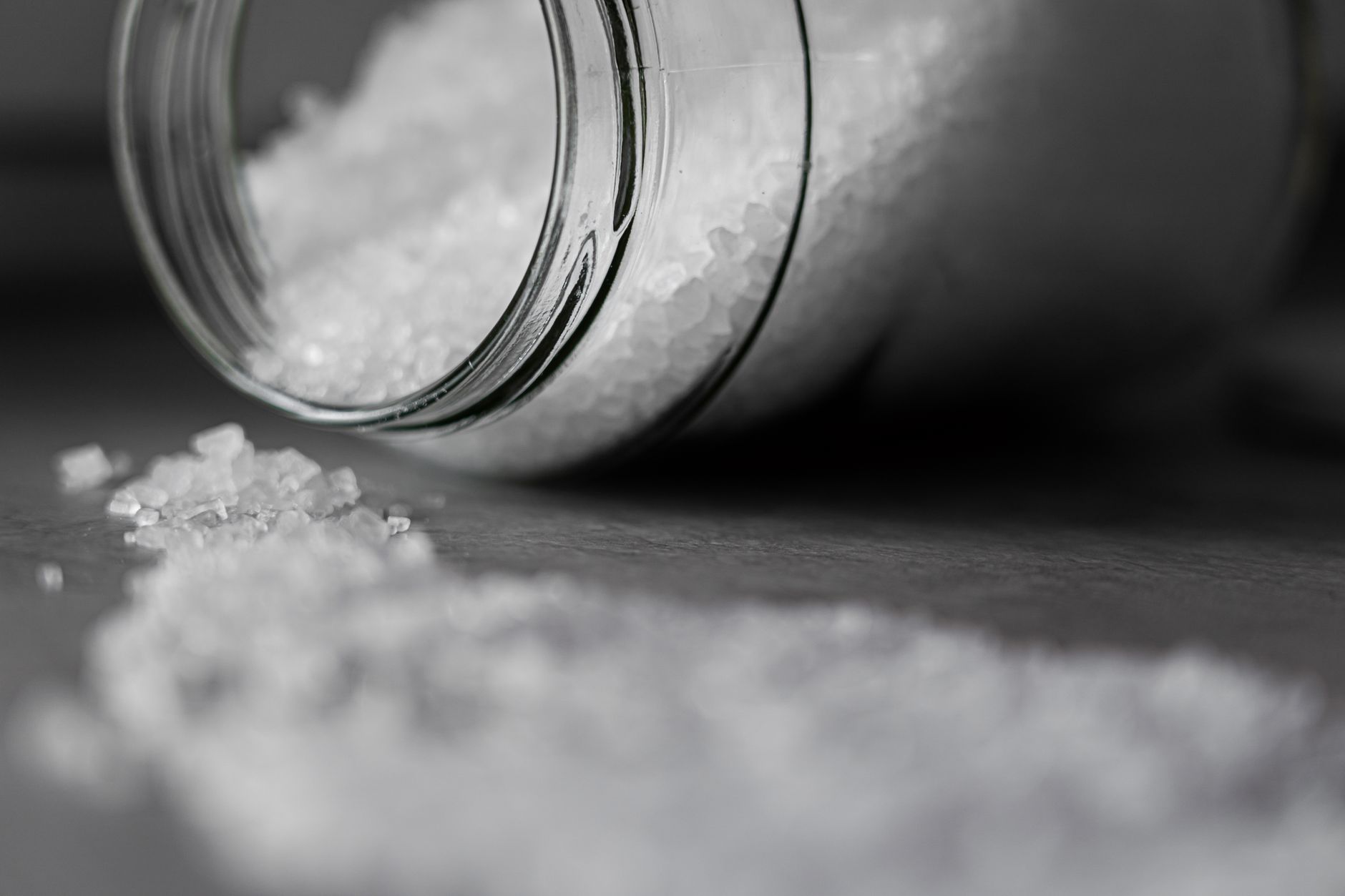
Canning salt, also known as pickling salt, is a pure form of salt that is specifically designed for preserving foods through canning and pickling processes. Unlike regular table salt, canning salt contains no additives, ensuring that it dissolves easily and doesn’t interfere with the clarity of the food being preserved.
This article will explore everything you need to know about canning salt, including its composition, culinary uses, how it compares to other salts, and practical tips for canning and preserving your favorite foods.
What Is Canning Salt?
Canning salt is a finely granulated, pure salt primarily used in food preservation. It is free from iodine and anti-caking agents, allowing for a cleaner brine or pickling solution. This makes it an ideal choice for both home canning and pickling processes where clarity and purity are essential.
The Composition of Canning Salt
Canning salt is primarily composed of sodium chloride (NaCl). Its lack of additives distinguishes it from other salts like table salt, which often contains anti-caking agents to prevent clumping. These additives can impart a different taste or texture to preserved foods, which is why canning salt is preferred for these applications.
Why Use Canning Salt?
One of the primary reasons home cooks choose canning salt is its ability to dissolve quickly in liquids, ensuring even distribution throughout the food. Additionally, since it doesn’t contain iodine or other additives, it helps maintain the natural taste and appearance of preserved items.
Benefits of Using Canning Salt
- Clarity: Canning salt promotes clear brines and pickling solutions, resulting in visually appealing finished products.
- Flavor: Its pure composition means it won’t alter the flavor profile of your canned or pickled items.
- Texture: Canning salt contributes to the crisp texture of pickled vegetables.
- No Additives: Without additives, you avoid potential complications in canning processes that might arise from using table salt.
Using Canning Salt in Various Preservation Techniques
There are many common preservation methods that utilize canning salt. Understanding how it fits into these techniques will enhance your culinary skills and ensure your homemade preserves are delicious and safe.
Canning
Canning involves placing food in jars and heating them to kill bacteria and create a vacuum seal. When using canning salt, it’s crucial to follow specific recipes to achieve the correct concentration of salt, which varies depending on the food being canned.
Pickling
In pickling, canning salt is often mixed with vinegar and water to create a pickling brine. Its purity ensures the brine is clean and enhances the flavors of the ingredients being pickled. Pickling salt is particularly effective in making items like cucumber pickles, where a crisp texture is desired.
Fermentation
Canning salt can also be used in fermentation processes, such as making sauerkraut or kimchi. When salt is dissolved in water, it creates a brine that helps control the fermentation process by inhibiting unwanted bacteria while allowing good bacteria to flourish.
How Does Canning Salt Compare to Other Types of Salt?
While canning salt has its unique characteristics, it’s beneficial to understand how it relates to other common salts.
Table Salt
Table salt contains iodine and anti-caking agents, which can cloud brines and alter the taste of canned or pickled foods. While it can be used in a pinch, it is generally not recommended for preserving as it may cause undesirable effects.
Kosher Salt
Kosher salt is often used in cooking and curing due to its larger grain size. While it can be used for canning, it’s essential to adjust measurements since it’s less dense than canning salt. As a result, you may need to use more kosher salt to achieve the same salinity level.
Sea Salt
Like kosher salt, sea salt varies in grain size and mineral content. This variability can affect the taste and efficacy in canning and pickling processes. While fine sea salt can be used as a substitute, be cautious about quantity adjustments, as textures and flavors can vary.
Practical Tips for Using Canning Salt
To help you get started with canning salt, here are some practical tips for using it effectively in your kitchen.
Measuring Canning Salt
When measuring canning salt for recipes, be precise. Use a standard measuring spoon or a kitchen scale for accuracy. Differences in measurements can affect the final product, particularly in canning, where safety standards depend on the right balance of ingredients.
Substitutions
If you’re out of canning salt, certain substitutions can still work, though with caution:
- Coarse Sea Salt: This can be used, but ensure it is fine enough to dissolve easily.
- Non-Iodized Table Salt: As a last resort, you can use non-iodized table salt but check that it lacks anti-caking agents.
Safe Canning Practices
Always follow strict canning guidelines to ensure food safety. Use a tested recipe when preserving food, as the acidity level is critical in preventing spoilage.
Common Mistakes When Using Canning Salt
Even experienced canners can make mistakes. Here are some common pitfalls and how to avoid them.
Not Measuring Accurately
Improper measurements can lead to either too salty or too bland results. Always use accurate tools for measuring.
Using the Wrong Salt
Don’t substitute canning salt for table salt without adjusting the quantity. Each type of salt has different properties that can influence taste and safety in canning.
Ignoring Safety Guidelines
Always ensure you are using safe sterilization and processing practices. This includes ensuring jars are properly sealed and using current canning methods.
Recipes Utilizing Canning Salt
To master canning salt, practice with some straightforward recipes. Here are two examples where canning salt plays a crucial role:
Pickled Cucumbers
This classic recipe highlights canning salt’s crispness and clarity benefits.
- 4 cups sliced cucumbers
- 1 cup white vinegar
- 1 cup water
- 1/4 cup canning salt
- 2 tablespoons sugar
- 1 tablespoon mustard seeds
- 1 tablespoon dill weed
Instructions:
- Combine vinegar, water, canning salt, and sugar in a saucepan. Heat over medium until salt and sugar dissolve.
- Place cucumbers in sterilized jars with mustard seeds and dill.
- Pour brine over the cucumbers, leaving 1/2-inch headspace.
- Seal jars and process in a water bath for 10 minutes.
Canned Peaches
Canning peaches exemplifies how canning salt helps maintain the fruit’s natural flavor.
- 8 cups sliced peaches (fresh or frozen)
- 4 cups water
- 1 cup sugar
- 1/4 cup canning salt
Instructions:
- In a saucepan, combine water, sugar, and canning salt over medium heat until dissolved, forming a syrup.
- Fill sterilized jars with peach slices, leaving ample headspace.
- Fill jars with syrup, ensuring peaches are covered.
- Seal and process in a water bath for 20 minutes.
Storage and Shelf Life of Canning Salt
When stored correctly, canning salt has an indefinite shelf life. Keep it in a cool, dry place in its original packaging or an airtight container. Avoid humidity, which can cause clumping.
Conclusion
Understanding what canning salt is and how to use it effectively can elevate your home canning and preserving efforts. Its unique properties contribute to the clarity, flavor, and texture of preserved foods, making it an essential ingredient for any home cook interested in canning.
To further enhance your preserving skills, explore our recipes for Cowboy Candy Canning and Canned Peaches. Happy canning!