
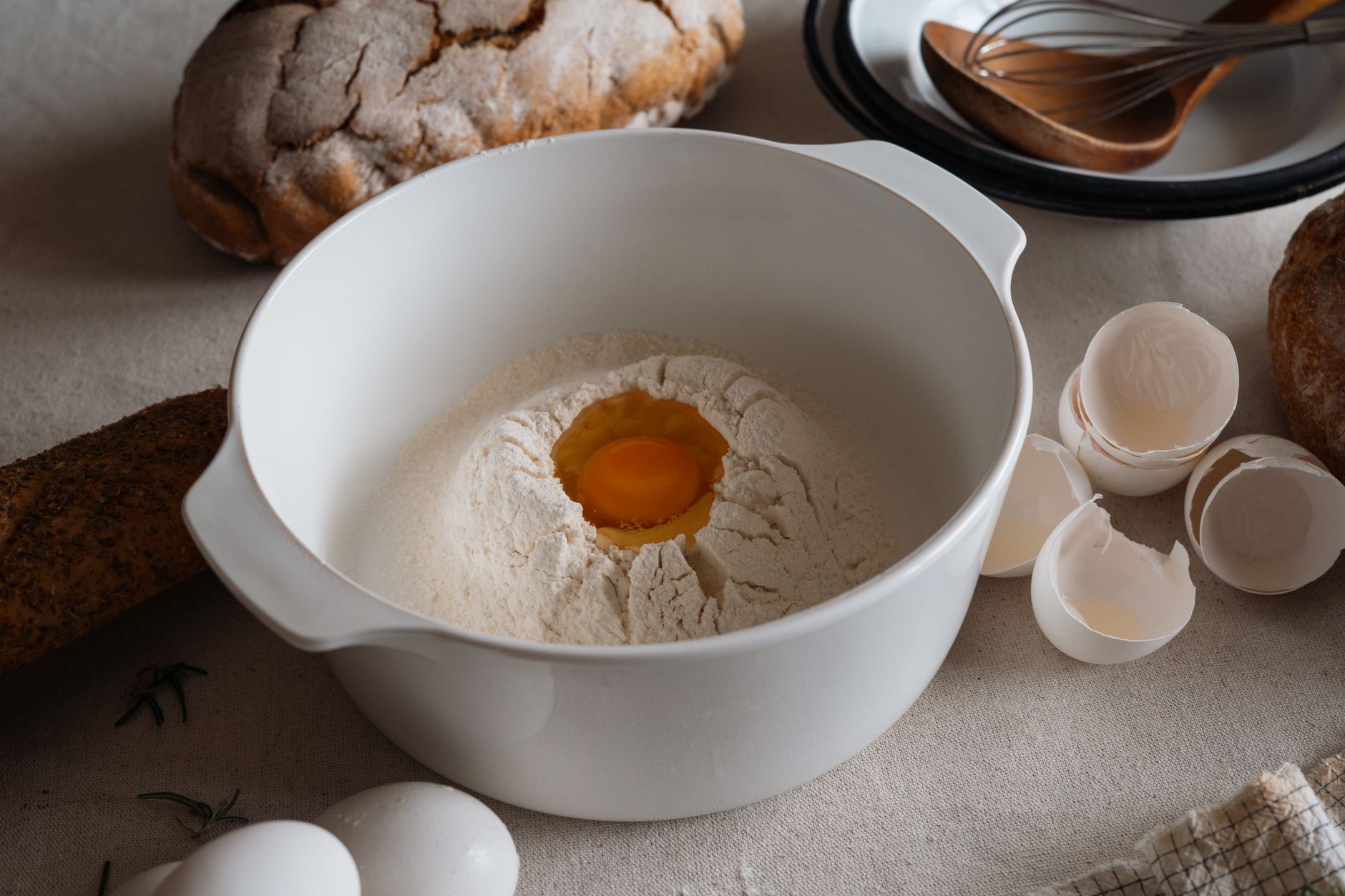
Eggs are a fundamental ingredient in baking, integral to the texture, flavor, and structure of various baked goods. Their unique properties contribute to the rise, moisture, and binding of ingredients, making them essential for both novice and experienced bakers alike.
This article thoroughly explores the role of eggs in baking, detailing their functions, how they can be substituted, and how to best incorporate them into your recipes for optimal results.
What Do Eggs Do In Baking?
Eggs serve multiple essential functions in baking that impact the final product’s taste, look, and texture. They act as binders, leaveners, and moisturizers, adding richness and enhancing flavors. Furthermore, the distinct parts of the egg—whites and yolks—contribute differently, making them versatile in various recipes.
The Structural Role of Eggs
One of the primary roles eggs play in baking is providing structure. When eggs are beaten, the proteins within them unfold and then coagulate during baking, giving baked goods their form and stability.
Binding
Eggs are excellent binding agents. They help hold ingredients together, which is particularly beneficial in recipes like cookies, cakes, and bread. This binding capacity prevents your baked goods from crumbling apart and achieves a cohesive texture.
Leavening
Eggs can also act as leavening agents. When subjected to heat, the air trapped in the egg whites expands, allowing cakes and soufflés to rise. While they may not replace traditional leavening agents like baking powder or yeast, they work alongside them to create airy, light textures.
Moisture and Fat Content
The fat content of egg yolks adds richness and moisture to baked goods. This is crucial for achieving a tender crumb in cakes and cookies. The emulsion created by the fat in yolks helps keep the moisture locked in, contributing to the overall mouthfeel of the baked item.
Flavor Enhancement
Eggs enhance the flavor profile of baked goods. They impart a subtle richness and depth that can make pastries, breads, and cakes more enjoyable. Their slightly savory taste balances the sweetness of many desserts.
Types of Eggs and Their Uses
While chicken eggs are standard in most baking recipes, there are various types of eggs that can be used, each offering slight differences in flavor and functionality.
- Duck Eggs: Larger and richer than chicken eggs, duck eggs can provide a more decadent flavor and denser texture, making them a great choice for cakes and pastries.
- Quail Eggs: These tiny eggs have a delicate flavor and are often used in gourmet recipes. Their size makes them unsuitable for most general baking, but they’re lovely as decorative toppings.
- Organic and Free-Range Eggs: These eggs often come from hens fed a natural diet, imparting a richer yolk color and flavor. They can be used interchangeably with conventional eggs in baking.
How to Incorporate Eggs in Baked Goods
The method of incorporating eggs into recipes can greatly impact the final product. Here are some tips on using eggs effectively in baking.
Temperature Matters
For better incorporation, use eggs at room temperature unless otherwise specified. This aids in the emulsification process and allows for easier mixing. Cold eggs can cause butter to solidify when making batters, leading to an uneven texture.
Incorporation Techniques
Different baked goods require different methods of incorporating eggs:
- Cakes: In cake recipes, eggs are often combined with sugar first to create a creamy mixture, then other ingredients are added. This helps to aerate the mixture effectively.
- Cookies: For cookies, eggs can be creamed with butter and sugar to incorporate air before adding dry ingredients.
- Custards: For recipes like custards or puddings, eggs should be tempered with heat to avoid curdling. Gradually mixing hot ingredients with eggs helps to prevent cooking the eggs prematurely.
Substituting Eggs in Baking
There are various reasons one might need to substitute eggs in baking, whether due to dietary restrictions, allergies, or personal preferences. Below are some common substitutes and their functional equivalence.
Popular Egg Substitutes
- Flaxseed Meal: Mix one tablespoon of ground flaxseed with three tablespoons of water to replace one egg. This works well as a binder in cookies and pancakes.
- Chia Seeds: Similar to flaxseeds, mix one tablespoon of chia seeds with three tablespoons of water. Allow it to sit until it forms a gel-like consistency.
- Unsweetened Applesauce: Use a quarter cup of unsweetened applesauce to replace one egg. This is particularly effective in moist baked goods like muffins and cakes.
- Silken Tofu: Blend a quarter cup of silken tofu until smooth to replace one egg. This works well in recipes that need moisture and protein.
- Commercial Egg Replacers: These are products specifically designed to replace eggs in baking. Follow the package instructions for substitution ratios.
Considerations for Substitutions
When substituting eggs, factors like texture, moisture, and flavor may change. For instance, baked goods with flaxseed or chia seeds may have a slightly nuttier flavor and denser texture than when using real eggs. Always test your substitutions for best results in your specific recipes.
Common Mistakes to Avoid When Baking with Eggs
Mistakes made when using eggs can lead to a variety of baking failures. Here are common pitfalls and how to avoid them.
- Using Cold Eggs: Cold eggs can lead to poor mixing results. Always bring eggs to room temperature for better emulsification.
- Not Beating Enough: Failing to beat eggs sufficiently can result in dense baked goods. Proper aeration is key to a light texture.
- Overcooking: Eggs continue to cook after baking, so be cautious with overbaking. Cakes and custards cooked too long can lead to a dry, rubbery texture.
- Improper Measurement: Eggs vary in size. When using eggs in large quantities, it’s best to weigh the eggs or use volume measures for accuracy.
Storage Tips for Eggs
Proper storage ensures eggs remain fresh for cooking and baking. Here are some guidelines:
- Refrigeration: Store eggs in their original carton in the carton to protect them from absorbing odors from other foods.
- Use-by Dates: Pay attention to expiration dates. While eggs can last a few weeks beyond the sell-by date if stored properly, it’s best to use them fresh.
- Raw Eggs: If you have leftover raw eggs, use them promptly or freeze them (beaten) for future use.
Conclusion
Understanding the role of eggs in baking is crucial for achieving desirable results in your baked goods. Whether they are providing structure, enhancing flavor, or acting as a binding agent, eggs are an integral part of baking chemistry. Armed with this knowledge, you can effectively use eggs in your recipes or confidently choose substitutes when necessary.
For those who want to dive deeper into creative substitutions and ingredient management, consider exploring related resources like how to substitute applesauce for eggs or managing the freshness of ingredients such as cottage cheese.