
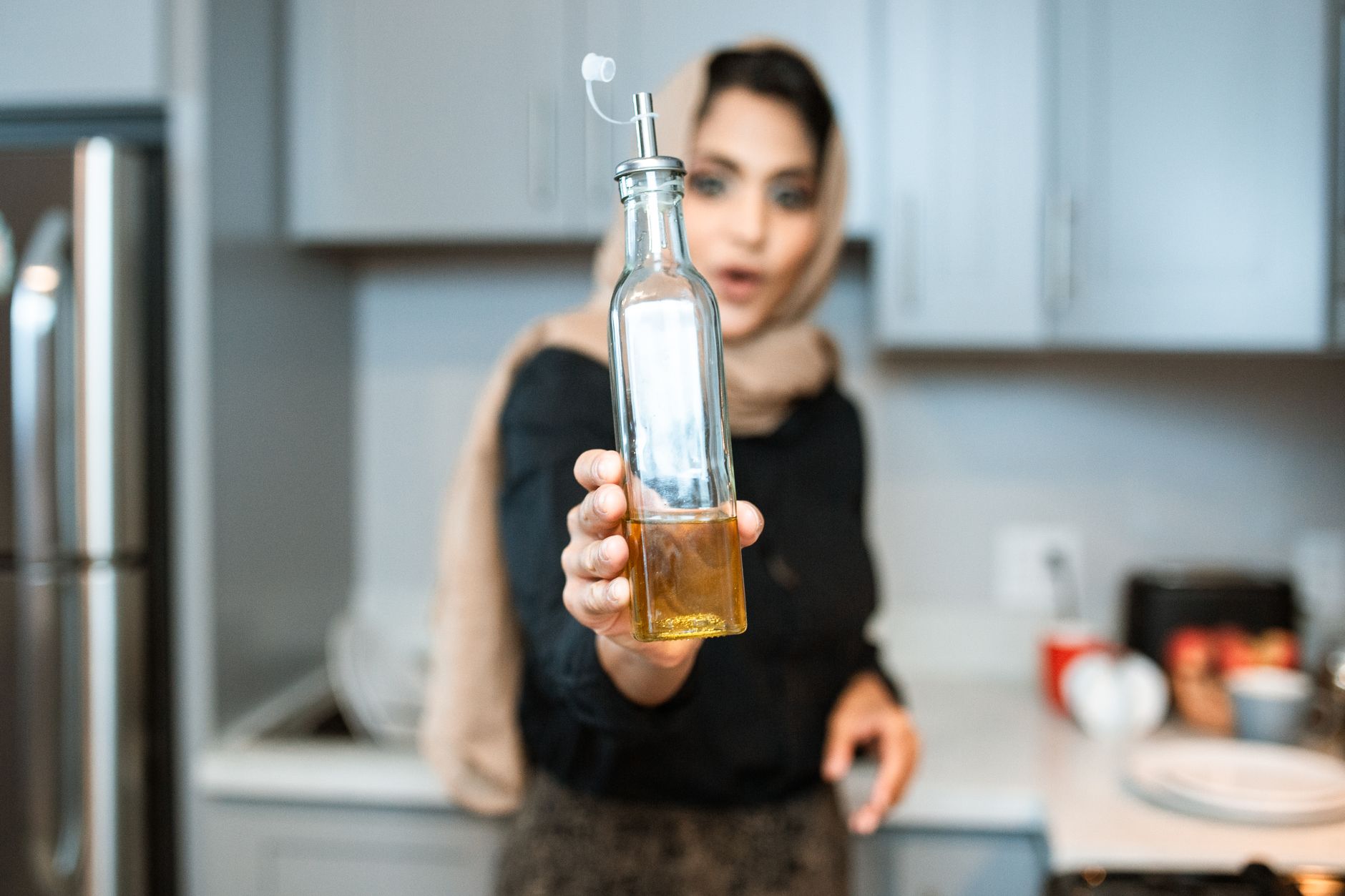
Olive oil is a staple ingredient in many kitchens around the world, known for its rich flavor and potential health benefits. However, when it comes to storage, many home cooks find themselves wondering: does olive oil need to be refrigerated? Understanding how to store olive oil properly can greatly affect its taste, aroma, and shelf life.
This article will explore the best practices for storing olive oil, the effects of temperature on its quality, and tips for prolonging its freshness. Whether you’re using it for cooking, drizzling over salads, or as a finishing touch to dishes, knowing how to care for your olive oil is essential.
Does Olive Oil Need to Be Refrigerated?
No, olive oil does not need to be refrigerated. In fact, refrigerating olive oil can lead to a change in texture and flavor, as cold temperatures cause the oil to become cloudy and solidify. Instead, olive oil should be stored in a cool, dark place to maintain its quality.
Understanding Olive Oil
Before delving into storage methods, it’s crucial to understand what olive oil is and the different types available. Olive oil is extracted from olives through mechanical or chemical processes. It is primarily composed of monounsaturated fats, which are considered healthier compared to saturated fats. The flavor and quality of olive oil can vary significantly based on factors like the type of olives used, the region where they were grown, and the harvesting and extraction process.
Types of Olive Oil
- Extra Virgin Olive Oil: This is the highest quality and most flavorful variety, made from cold-pressed olives. It has a low acidity level (less than 0.8%) and is rich in antioxidants.
- Virgin Olive Oil: Slightly lower in quality than extra virgin, this type is still made from cold-pressed olives but has a higher acidity (up to 2.0%).
- Pure Olive Oil: Typically a blend of refined and virgin olive oils, this type is more processed and has a milder flavor.
- Light Olive Oil: Despite the name, this oil does not mean fewer calories. It is a more refined oil with a lighter color and flavor.
Factors That Affect Olive Oil Quality
Several factors can influence the quality and shelf life of olive oil. Understanding these factors will help you choose the best storage method and maintain the oil’s fresh taste.
Light
Exposure to light can lead to the degradation of olive oil. Light can cause the oil to oxidize, resulting in rancidity. This is why olive oil is commonly sold in dark bottles or tins, which protect it from light.
Heat
Heat can also negatively impact olive oil. High temperatures accelerate the oxidation process and can degrade the oil’s flavor. Keeping it away from stoves, ovens, or other heat sources is essential for maintaining its quality.
Air
Air exposure can lead to further oxidation of olive oil. Once opened, olive oil can start to lose its flavor over time, especially if not stored correctly. For the best results, ensure the lid is tightly sealed after each use to limit its exposure to air.
Time
Like other food products, olive oil has a shelf life. Typically, an unopened bottle lasts for about 18-24 months, while an opened bottle should be used within six months to a year for optimal freshness. Be mindful of the expiration date on the label and consider the storage conditions.
Best Practices for Storing Olive Oil
To ensure your olive oil maintains its quality, follow these best practices for storage:
1. Choose the Right Container
If possible, store olive oil in a dark glass bottle or a metal container. These materials help protect the oil from light and air more effectively than clear glass or plastic. If your olive oil comes in a light bottle, consider transferring it to a more suitable container.
2. Keep It Cool
The ideal temperature for storing olive oil is between 60°F and 75°F (15°C to 24°C). Avoid storing it near heat sources or in areas exposed to direct sunlight. A kitchen pantry or cupboard is often an excellent choice.
3. Seal It Tightly
Ensure the cap or lid is tightly sealed when not in use. This minimizes exposure to air, which can cause oxidation. If you notice a strong, rancid smell or an off-taste, discard the olive oil, as it may have gone bad.
4. Avoid Refrigeration
As noted earlier, refrigeration is not recommended for olive oil. While it might seem like a good way to keep the oil fresh, the cold temperature can change its composition. Instead, keep it at room temperature, away from any heat or light sources.
Signs of Rancid Olive Oil
Even with proper care, olive oil can go rancid over time. Here are some signs to look out for:
1. Off Smell
Fresh olive oil should have a pleasant, fruity aroma. If it smells musty, like crayons or putty, it has likely gone bad.
2. Unpleasant Taste
A fresh olive oil should taste vibrant and slightly peppery. If it tastes dull, bitter, or has an off-flavor, it may be rancid.
3. Cloudiness
While olive oil can sometimes become cloudy when chilled, prolonged cloudiness when kept at room temperature can indicate it’s past its prime.
Frequently Asked Questions
Can I freeze olive oil?
While you can technically freeze olive oil, it’s not recommended for long-term storage. Freezing can alter the flavor and texture of the oil. If you need to store it long-term, consider keeping it in a cool, dark place instead.
How long does olive oil last once opened?
Opened olive oil generally lasts about six months to a year when stored properly. Always check the expiration date and look for signs of rancidity.
Can I use olive oil for frying?
Yes, olive oil can be used for frying, though it has a lower smoke point compared to some vegetable oils. Extra virgin olive oil is excellent for low to medium-heat cooking, while refined olive oil can withstand higher temperatures.
Practical Tips for Buying Olive Oil
When purchasing olive oil, consider these tips to ensure you’re getting the best quality:
1. Check the Harvest Date
Look for olive oils that have a harvest or bottling date on the label. Fresher oil is usually of better quality. Aim for oils bottled within the last 12 months.
2. Buy in Small Quantities
If you don’t use olive oil frequently, it’s better to buy smaller bottles to avoid having it sit around for too long. This ensures you enjoy the oil while it’s still fresh.
3. Look for Quality Certifications
Look for labels that indicate quality seals or certifications, such as PDO (Protected Designation of Origin) or PGI (Protected Geographical Indication), which denote authentic regional quality.
Conclusion
Understanding how to store olive oil correctly can make all the difference in maintaining its quality and flavor. Remember to keep it cool, dark, and tightly sealed—refrigeration is unnecessary and can damage the oil. By keeping these guidelines in mind, you can enjoy the vibrant taste of olive oil in your culinary creations for longer.
Explore more about substitute oils, and storage tips like does ghee need to be refrigerated? or learn about substituting avocado oil for olive oil.