
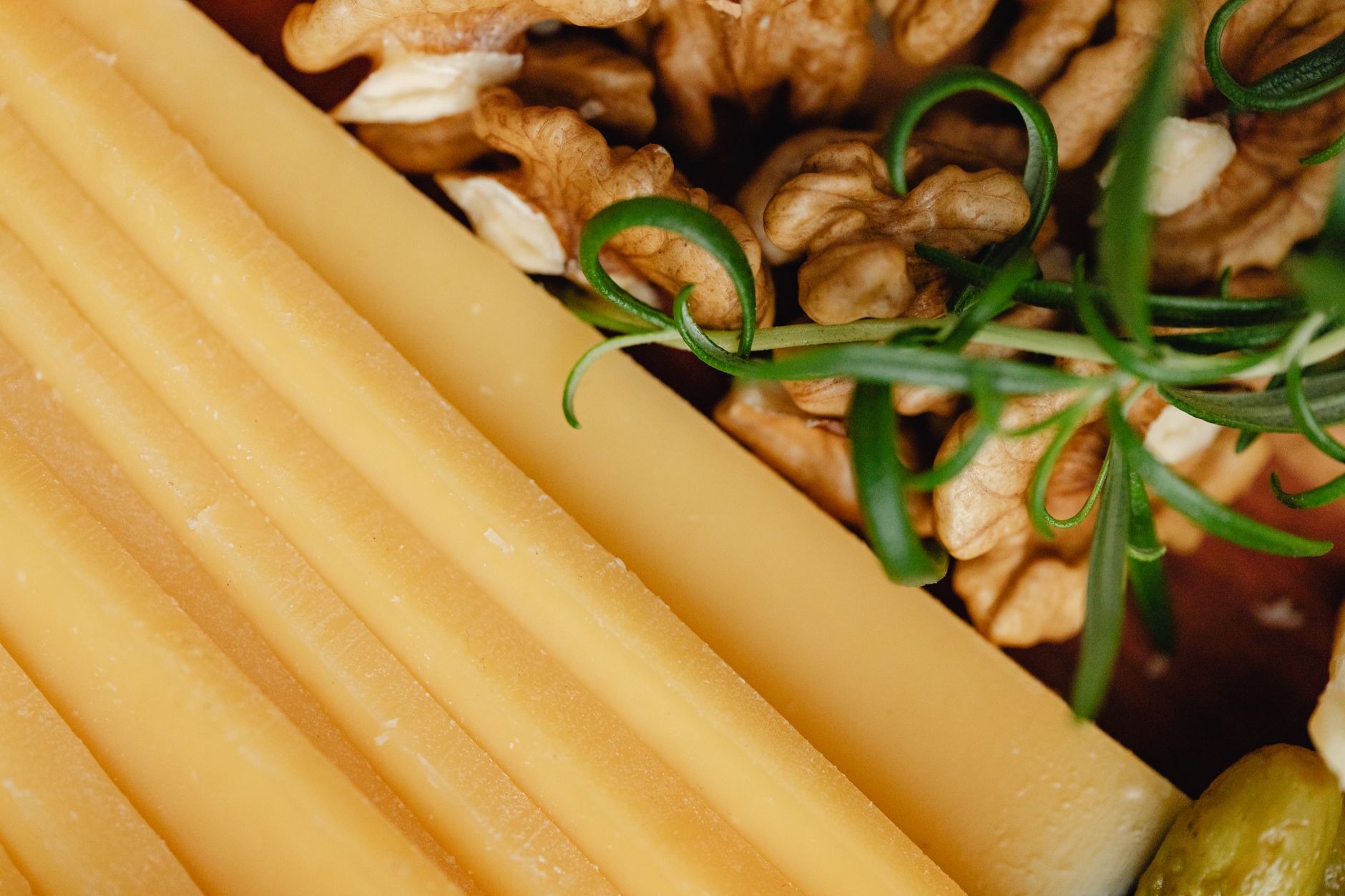
Cheese is an incredibly versatile ingredient, beloved in cuisines around the globe. However, many people wonder about its nutritional profile, specifically its protein content. Understanding the protein content in cheese not only helps with dietary planning but also informs choices for meals and snacks.
This article delves into the protein content in various types of cheese, how it compares to other protein sources, and the implications for those looking to include more protein in their diets. We’ll provide an overview of popular cheeses, their protein values, and how you can use this information in your meal planning.
Is There Protein In Cheese?
Yes, cheese is a good source of protein. The amount of protein varies by type of cheese, ranging from about 6 to 30 grams of protein per 100 grams, making it a valuable addition to a balanced diet focused on protein intake.
Understanding Protein in Cheese
Protein is an essential macronutrient that supports tissue repair, muscle growth, and overall health. Cheese, derived mainly from milk, retains a significant amount of protein after the whey is removed during production. Here’s a deeper look into how cheese provides protein.
How is Protein Measured in Cheese?
Protein in cheese is usually measured in grams per 100 grams. This metric gives a clear indication of how protein-rich a cheese is and allows for easy comparison between different types. When considering serving sizes, keep in mind that typical portions of cheese can range from 30 grams to 100 grams, depending on the context in which it is served.
Types of Cheese and Their Protein Content
Cheese varieties vary not just in flavor and texture but also in the protein content. Below is a breakdown of common types of cheese along with their approximate protein content per 100 grams.
| Type of Cheese | Protein (g per 100g) |
|---|---|
| Parmesan | 35 |
| Swiss | 27 |
| Cheddar | 25 |
| Brie | 21 |
| Feta | 14 |
| Ricotta | 11 |
| Cottage Cheese | 11 |
| Blue Cheese | 21 |
Factors Affecting Protein Content in Cheese
The protein content in cheese can be influenced by several factors, including:
- Milk Source: The type of milk used (cow, goat, sheep) varies in protein content, impacting the cheese’s overall profile.
- Production Method: Different cheese-making techniques, such as aging and fermentation, can affect protein levels.
- Moisture Content: Fresh cheeses typically have higher moisture and lower protein concentrations than aged varieties.
- Fat Content: Full-fat cheeses generally have lower protein concentrations than their lower-fat counterparts due to the higher fat ratio.
Comparing Cheese to Other Protein Sources
When considering protein sources, cheese offers a convenient and tasty option. However, it’s essential to compare it against other protein-rich foods:
- Meat and Fish: A typical serving of chicken breast (around 100 g) contains about 31 g of protein, making it protein-dense compared to cheese.
- Legumes: Cooked lentils offer about 9 g of protein per 100 g, providing a more plant-based protein option.
- Eggs: One large egg contains around 6 g of protein; thus, a couple of eggs can provide a significant protein boost.
While cheese may not always match these sources in protein density, it provides a great flavor complement to meals and a variety of dishes.
Incorporating Cheese into Your Diet
Here are some practical tips on how to incorporate a variety of cheeses into your meals:
- Add to Salads: Crumbled feta or shredded cheddar can elevate salads with extra flavor and protein.
- Sandwiches and Wraps: Use cheese as a filling in sandwiches or wraps for added protein.
- Snacks: Pair cheese with fruits, nuts, or whole-grain crackers for a balanced snack.
- Cooking: Incorporate cheese into pastas, casseroles, and baked dishes to enhance flavor, texture, and protein content.
Common Cheese Varieties and Their Benefits
While we have covered the protein content, it’s worth exploring additional benefits and uses for some popular cheese varieties:
Cheddar
Cheddar cheese is rich in calcium and phosphorus, making it beneficial for bone health. It pairs well with crackers, apples, and can be melted over virtually any dish.
Parmesan
Parmesan is not only high in protein but also has a strong, nutty flavor that works great in pasta dishes, risottos, and salads. Its aging process boosts its flavor intensity and nutrient density.
Feta
This tangy cheese offers a lower fat content than some other cheeses while still providing protein. It’s perfect for Mediterranean dishes, salads, and as a topping for grilled vegetables.
Cottage Cheese
Cottage cheese is a popular choice for those seeking low-fat, high-protein options. It’s excellent when paired with fruits or used in baking.
Brie
This soft cheese, while lower in protein, is rich in flavor and fat content. It can be enjoyed as a comforting snack or as part of a cheese board.
Practical Substitutions and Variations
If you’re looking to optimize your cheese choices for protein, consider these practical substitutions:
- Substitute Cream Cheese with Cottage Cheese: This makes for a protein-rich spread that can be used in savory dishes, providing similar creamy texture with lower fat.
- Swap Cheddar for Gouda: If you are looking for a creamier, slightly sweeter option, Gouda can be a suitable alternative, though it might slightly alter the flavor profile.
- Use Ricotta in Place of Mascarpone: Ricotta can lighten dishes while keeping protein levels high, perfect for filling pastries or pasta.
Common Mistakes When Using Cheese
Here are some pitfalls to avoid when incorporating cheese into your meals:
- Overheating: Cheese can become rubbery or greasy if overheated, particularly softer cheeses. Use low temperatures when melting.
- Ignoring Flavor Pairings: Different cheeses have different taste profiles. Make sure to pair them with complementary ingredients to enhance rather than overbear your dishes.
- Not Monitoring Portions: Cheese is calorie-dense. Be conscious of serving sizes, especially when adding multiple types of cheese.
Storage and Shelf Life of Cheese
Cheese can be perishable, requiring proper storage for freshness:
- Refrigeration: Store cheese in the refrigerator wrapped in parchment paper, then in an airtight container to ensure it remains fresh.
- Aging Cheese: Hard cheeses like Parmesan can last for weeks, while soft cheeses have shorter shelf lives and should be consumed within days once opened.
- Freezing Options: While some cheeses can be frozen, it’s worth noting that texture may change upon thawing. Consider this for cooking rather than eating raw.
Make-Ahead Meal Ideas with Cheese
Cheese can be incorporated into make-ahead meals that are both protein-rich and easy to prepare:
- Casseroles: Cheese can enhance creamy casseroles, making them comforting and packed with protein.
- Cheese-Based Dishes: Prepare quiches or frittatas filled with cheese and vegetables for portable breakfast options.
- Stuffed Peppers: Fill bell peppers with a mixture of grain, seasonings, and cheese, then bake. These keep well and can be enjoyed throughout the week.
Final Thoughts
In summary, cheese is a versatile ingredient with a protein-rich profile that can enhance a variety of meals and snacks. Understanding its protein content and how it fits into a balanced diet can help you make informed dietary choices.
Next time you’re at the grocery store, keep in mind the types of cheese that align with your nutritional goals, or consider trying new varieties to boost both flavor and protein in your meals. Feel free to explore more recipes and tips for incorporating cheese into your everyday meals, such as our cottage cheese bagel recipe or the cottage cheese flatbread recipe.