
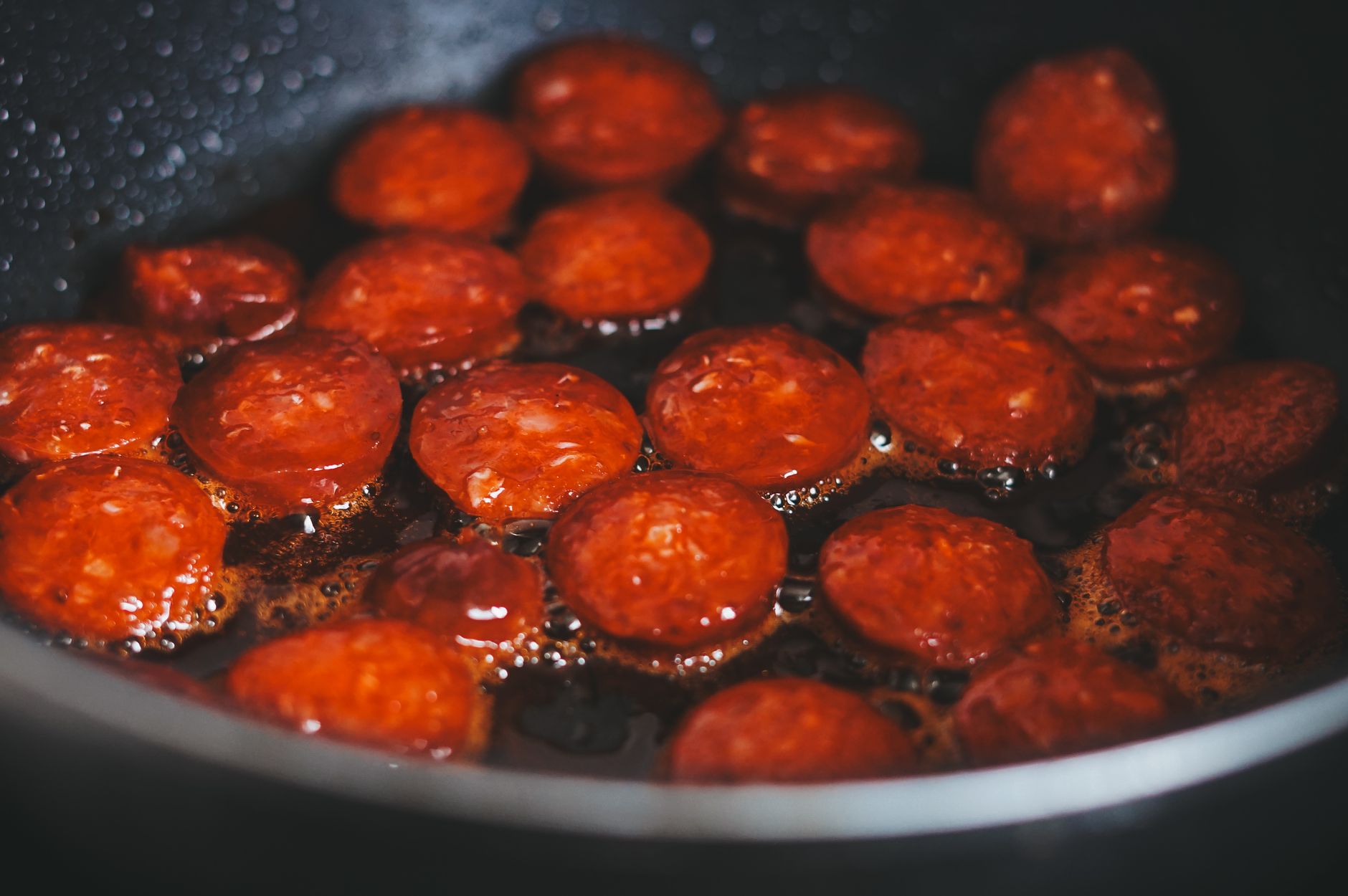
Chorizo is a popular sausage that originates from Spain and is loved for its robust flavor and versatility in various dishes. One question that often arises when discussing this beloved sausage is whether chorizo is spicy. The answer can vary depending on the type of chorizo and the individual’s tolerance for heat.
In this article, we will explore the spiciness level of chorizo, the different types available, how to use it in cooking, and tips for incorporating it into your meals. Understanding these elements will help you make more informed decisions when cooking with chorizo.
Is Chorizo Spicy?
Chorizo can range from mildly spicy to very spicy, depending largely on the type of chorizo you choose. Spanish chorizo is generally less spicy, while Mexican chorizo often includes more heat from chili peppers. Additionally, personal taste and sensitivity to spice can also influence how spicy someone perceives chorizo to be.
Types of Chorizo
Chorizo comes in various forms, primarily Spanish and Mexican varieties. Understanding the differences between them will help clarify their spiciness and culinary uses.
Spanish Chorizo
- Flavor and Spiciness: Spanish chorizo is made from coarsely chopped pork, garlic, and spices including smoked paprika (pimentón). It can be mildly spicy or somewhat sweet, but it is usually not very hot.
- Uses: This type is often cured and can be sliced and eaten raw, or cooked in dishes like paella, stews, or tapas.
Mexican Chorizo
- Flavor and Spiciness: Mexican chorizo is typically made from fresh pork, chili peppers, and a range of spices. It tends to be spicier than its Spanish counterpart, with varying levels of heat. The spices vary significantly based on regional preferences.
- Uses: Mexican chorizo must be cooked before eating and is commonly used in tacos, burritos, breakfast dishes like huevos rancheros, and more.
Spiciness Scale and Heat Level
The spiciness of chorizo can also be considered on a scale, often using the Scoville Heat Scale, which measures the heat of chili peppers. Here’s how different types of chorizo might rank:
- Spanish Chorizo: Typically, this would rank around 100-1,000 SHU (Scoville Heat Units).
- Mexican Chorizo: Depending on the amount and type of chilies used, this can range from 1,000-5,000 SHU or more.
For comparison, jalapeño peppers fall in the range of 2,500-8,000 SHU, illustrating how Mexican chorizo can approach that level of heat while Spanish chorizo tends to be milder.
How to Incorporate Chorizo into Your Cooking
When adding chorizo to your dishes, consider its flavor profile and heat level. Here are some practical tips and ideas:
Breakfast Dishes
Chorizo can enhance breakfast meals with its savory flavor. Here are some ideas:
- Chorizo and Eggs: Cook crumbled chorizo in a skillet until browned, then add beaten eggs. Stir until set.
- Chorizo Breakfast Burritos: Combine cooked chorizo, scrambled eggs, cheese, and your favorite toppings in a tortilla for a hearty breakfast.
In Soups and Stews
Add depth to your soups and stews by sautéing chorizo before adding other ingredients. Consider chorizo in:
- Chorizo and Black Bean Soup: The spice complements the beans and vegetables beautifully.
- Chorizo Chili: Mix cooked chorizo into your chili for an extra layer of flavor.
As a Pizza or Pasta Topping
Chorizo works great on pizza and in pasta dishes. Here are some suggestions:
- Chorizo Pizza: Slice or crumble chorizo as a topping along with cheese and vegetables.
- Pasta with Chorizo: Cook chorizo with garlic, tomato sauce, and your pasta of choice for a flavorful meal.
Pairing with Other Ingredients
Chorizo pairs well with various ingredients that can either complement or balance its heat. Here are some combinations:
- Cheese: Creamy cheeses like queso fresco or mozzarella offset the spice.
- Vegetables: Use bell peppers, corn, or potatoes to balance the flavor.
- Fruits: Pineapple and mango provide a sweet contrast to the spice.
Practical Substitutions for Chorizo
If you need to substitute chorizo in a recipe, consider these alternatives based on what you have available:
- Spicy Italian Sausage: Similar texture and flavor, though Italian sausage may be less spicy.
- Andouille Sausage: Offers a similar smoky flavor profile but is typically spicier.
- Vegetarian Sausage: For a meatless option, use vegetable-based sausages spiced similarly.
Tips for Cooking with Chorizo
Selecting the right chorizo and cooking it correctly can significantly impact your dishes. Here are some tips:
- Choosing Fresh Chorizo: Look for bright colors and a fresh scent. Avoid any that appears dull or has an unusual odor.
- Cooking: Always cook Mexican chorizo before consuming, while Spanish chorizo can be eaten raw if cured.
- Balancing Spice: If you’re sensitive to spice, consider mixing chorizo with more neutral ingredients to tone down the heat.
Common Mistakes to Avoid
When cooking with chorizo, avoid these pitfalls for the best results:
- Overcooking: Chorizo can become tough if overcooked; aim for a nice sizzle without burning.
- Ignoring Flavor Balance: Don’t forget to balance the richness and spice of chorizo with acidic ingredients like lime or tomatoes.
- Not Tasting: Always taste your dish during cooking to gauge spice levels and adjust as necessary with additional ingredients.
Storing and Reheating Chorizo
Proper storage of chorizo is important for maintaining its flavor and quality. Follow these guidelines:
Storing
- Fresh Chorizo: Keep in the refrigerator for up to a week, or freeze for longer storage.
- Cured Chorizo: Can last several weeks in the refrigerator if unopened; once opened, consume within a week.
Reheating
To reheat chorizo effectively:
- Microwave: Use medium power, checking every 30 seconds until warm.
- Skillet: Warm on medium heat, adding a splash of oil if necessary to prevent sticking.
Final Thoughts on Chorizo’s Spiciness
In summary, chorizo can be spicy, but the level of heat varies significantly depending on the type and the specific brand you choose. Whether you enjoy Spanish or Mexican chorizo, both can add tremendous flavor to your dishes. By understanding the differences and how to best use chorizo in cooking, you can successfully include this delicious sausage in your meals.
Explore related recipes, cooking tips, or food guides to expand your culinary repertoire by checking out these links: Is Cumin Spicy? and Is Gochujang Spicy?.