
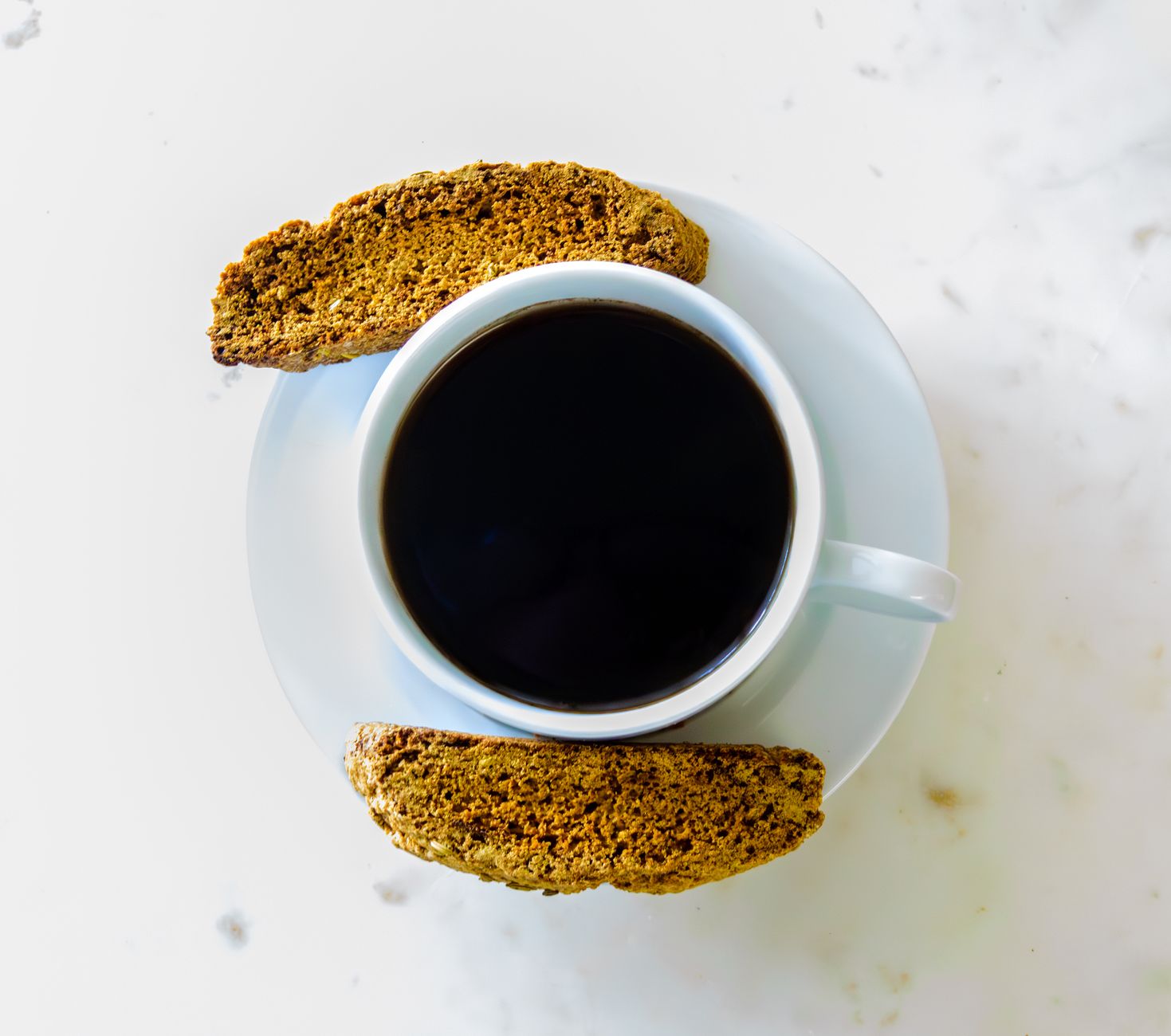
Biscotti, a beloved Italian cookie, offers a delightful crunch that makes it an ideal companion for coffee or tea. With its twice-baked preparation, biscotti stands out with its firm texture and rich flavors. This versatile treat can be made in various flavors, allowing for an array of delightful combinations.
In this comprehensive guide, we will explore the ingredients that make up biscotti, the unique flavor profiles you can create, and tips on how to serve this delightful treat. Whether you are planning to bake your own or simply wish to learn more about this classic cookie, you’ll find everything you need here.
What Is Biscotti?
Biscotti are oblong-shaped cookies originating from Italy, particularly popular in the Tuscany region. Their name comes from the Latin term “biscottum,” meaning “twice-baked.” This method gives them a dry, crunchy texture that is perfect for dipping in beverages like coffee, tea, or dessert wine.
The traditional flavor base consists of flour, sugar, eggs, and nuts, but countless variations exist, incorporating ingredients such as chocolate, spices, or dried fruits. Their versatility and storability make biscotti an enjoyable treat for many occasions.
Ingredients for Biscotti
Understanding the basic ingredients used in biscotti will help you appreciate the flavors and textures that characterize this delightful cookie. Each component plays a crucial role in the final product.
- Flour: All-purpose flour is commonly used, but variations like almond flour can create gluten-free biscotti.
- Sugar: Granulated sugar is standard. You can experiment with brown sugar or alternative sweeteners for different flavors.
- Eggs: Eggs act as a binder and provide richness. Egg whites can also be used for lower-fat options.
- Nuts: Almonds are traditional, but walnuts, pistachios, or hazelnuts can add exciting flavors.
- Flavorings: Vanilla extract, almond extract, or citrus zest elevates the taste profile. Chocolate chips or dried fruits can also be added.
- Baking powder: A small amount is often used to provide a slight lift.
- Salt: This enhances the flavors of all components but should be used sparingly.
Flavor Profiles of Biscotti
Biscotti can be made in numerous flavors, combining various ingredients to create unique treats. Here are some popular flavor options to inspire your baking:
Classic Almond Biscotti
Almond biscotti are the quintessential version, featuring ground almonds or whole blanched almonds. The nutty flavor pairs perfectly with coffee, creating a comforting treat.
Chocolate-Dipped Biscotti
For a sweeter option, consider chocolate-dipped biscotti. Dip half of the baked biscotti in melted chocolate and sprinkle with nuts or sea salt for added texture.
Citrus Biscotti
Incorporating orange or lemon zest into the dough imparts a refreshing flavor. These citrus-infused biscotti are particularly delightful with a cup of herbal tea.
Spiced Biscotti
Adding spices such as cinnamon, cardamom, or anise can create a warm, fragrant cookie reminiscent of holiday treats. These biscotti pair wonderfully with warm beverages.
Dried Fruit and Nut Biscotti
Incorporating dried cranberries, cherries, or figs along with nuts provides a chewy texture and a touch of sweetness. This variation is both delicious and visually appealing.
How to Bake Biscotti
Baking biscotti is a straightforward process, but attention to detail can yield excellent results. Below is a step-by-step guide to preparing classic almond biscotti, along with tips for making substitutions and variations.
Yield and Timing
- Yield: About 24 biscotti
- Preparation Time: 20 minutes
- Baking Time: 30-35 minutes (plus cooling)
- Total Time: 1 hour
Ingredients
- 2 cups all-purpose flour
- 1 cup granulated sugar
- 1 teaspoon baking powder
- 1/4 teaspoon salt
- 3 large eggs
- 1 teaspoon vanilla extract
- 1 teaspoon almond extract
- 1 cup whole almonds (blanched or not)
Essential Equipment
- Mixing bowls
- Hand mixer or whisk
- Silicone spatula
- Baking sheet
- Parchment paper
- Cooling rack
Step-by-Step Method
- Preheat your oven to 350°F (175°C) and line a baking sheet with parchment paper.
- In a large mixing bowl, combine the flour, sugar, baking powder, and salt. Whisk these dry ingredients until well blended.
- In a separate bowl, whisk the eggs, vanilla extract, and almond extract until fully combined.
- Gradually add the wet mixture to the dry mixture, stirring with a spatula until a dough forms.
- Fold in the whole almonds until evenly distributed throughout the dough.
- Transfer the dough to a floured surface and shape it into a log, approximately 12 inches long and 2 inches wide.
- Place the log on the prepared baking sheet and bake for 25-30 minutes, or until the top is lightly golden and firm to the touch.
- Remove the log from the oven and allow it to cool for about 10 minutes. Lower the oven temperature to 325°F (160°C).
- Once cooled enough to handle, slice the log diagonally into 3/4-inch thick pieces.
- Return the sliced biscotti to the baking sheet, cut side facing up, and bake for an additional 10-15 minutes, or until the biscotti are dry and golden.
- Remove from the oven and allow to cool completely on a wire rack.
Common Mistakes and Troubleshooting
While biscotti are relatively easy to bake, there are some common pitfalls to watch for:
- Overbaking: Be cautious not to overbake the biscotti during the second bake. They should be dry but not burnt. Watch for a light golden color.
- Underbaking: If the first bake is underdone, the biscotti may fall apart when sliced. Ensure the log is firm and slightly springy before removing it for slicing.
- Too Dense: Biscotti should be crunchy without being too hard. If your biscotti is dense, try mixing for a shorter time or ensuring eggs are at room temperature.
Serving Suggestions
Biscotti can be enjoyed in various ways, enhancing their delightful flavors with creative serving ideas:
- With Coffee or Tea: Biscotti are traditionally served alongside coffee or tea. Dip the cookie for a few seconds to soften it before enjoying.
- Accompanied by Dessert Wine: Pair biscotti with Vin Santo, a traditional Italian dessert wine that complements sweet flavors.
- As a Snack: These cookies make for a perfect snack on their own, delivering a satisfying crunch with any flavor combination.
- Decorative Gifts: Biscotti can be beautifully packaged in decorative boxes or jars, making thoughtful gifts around the holidays.
Storage and Shelf Life
Storing your biscotti properly is essential to maintain their crunchiness. Here are some tips:
- Room Temperature: Store fully cooled biscotti in an airtight container at room temperature for up to two weeks.
- Freezing: For longer storage, biscotti can be frozen in airtight bags. They will retain their quality for up to three months.
- Re-crisping: If biscotti lose their crunchiness, re-bake them in a preheated oven at 300°F (150°C) for 5-10 minutes.
Variations and Substitutions
There are many ways to customize your biscotti recipe. Here are some common variations and substitutions to consider:
- Nuts: Substitute nuts based on preference, keeping in mind that different nuts will impart distinct flavors.
- Flour Options: For a gluten-free biscotti, replace all-purpose flour with a gluten-free flour blend or almond flour. Adjust the liquid ingredients as needed.
- Sugars: Swap granulated sugar with coconut sugar or maple syrup for a different taste and texture.
- Flavor Extracts: Beyond vanilla and almond, try hazelnut extract or mint extract for exciting new flavors.
- Spices and Add-ins: Experiment with spices, seeds, or other add-ins like oats or cornmeal for unique textures and flavors.
Exploring Biscotti in Different Cultures
Although biscotti originated in Italy, its popularity has spread worldwide, with variations appearing across different cultures:
- Italian Varieties: Regional variations in Italy may include different nut combinations, chocolate drizzles, or seasonal flavors such as gingersnap during the holidays.
- American Adaptations: In the United States, you might find biscotti enriched with chocolate chunks, flavored cream cheese, or seasonal spices.
- Middle Eastern Influence: Middle Eastern adaptations may introduce spices like cardamom and fillings such as pistachios or dried fruits.
Through these cultural lenses, biscotti continues to evolve, reflecting local tastes and preferences while retaining its fundamental qualities of crunch and flavor.
Understanding what constitutes biscotti, its ingredients, flavors, and how to serve it can enhance your culinary appreciation for this beloved treat. Baking biscotti provides an opportunity not only to explore its classic form but also to adapt and create variations that suit your palate. Try your hand at making them at home, and experience the joy of freshly baked biscotti paired with your favorite beverage.
If you enjoyed learning about biscotti, consider exploring related recipes and delightful treats such as Biscoff Banana Pudding or Biscoff Cake for more delicious experiences in the kitchen.