
The aroma of caramelized biscuits and butter filling your kitchen is a moment worth savoring, and that’s exactly what happens when you bake a Biscoff cake. This showstopping dessert transforms the beloved Biscoff cookie into a multi-layered masterpiece that tastes like caramel and spice had a celebration on your plate.
What makes this recipe special is how it combines layers of tender, moist cake infused with Biscoff flavor alongside creamy Biscoff spread frosting and a crunchy cookie crumble top. It’s the kind of cake that looks fancy enough for a bakery case but comes together in your own kitchen with straightforward techniques and pantry staples.
Why You’ll Love This Recipe
This cake delivers everything you want from a show-stopping dessert without requiring professional baking skills or hard-to-find ingredients.
- Layers of soft, moist cake with built-in Biscoff flavor throughout
- Creamy Biscoff spread frosting that tastes like pure indulgence
- A crispy, crunchy Biscoff crumble topping for textural contrast
- Impressive presentation that wows guests and family
- Adaptable to different pan sizes and serving styles
My Experience Making This Recipe
The first time I made this cake, I was skeptical that Biscoff spread could carry an entire dessert, but the moment I combined it into the frosting, I knew I’d found something special. The spread melts into a luxurious, caramel-flavored filling that binds perfectly with butter and cream.
My kids were circling the kitchen before the cake even cooled, drawn in by the spiced-caramel smell that filled every room. Watching their faces light up at that first bite made all the layering and frosting work completely worthwhile.
The crumble topping is where people really lose their minds, honestly. The combination of crushed Biscoff cookies with melted butter creates a texture that’s both crunchy and slightly gooey, and it adds that final professional touch that makes homemade feel like it came from a pastry shop.
Recipe Overview
- Recipe Name: Biscoff Cake
- Servings: 12 slices
- Prep Time: 30 minutes
- Cook Time: 35 minutes
- Total Time: 1 hour 5 minutes (plus cooling)
- Course: Dessert
- Cuisine: European-Inspired
- Calories per Serving: 385
Equipment You Will Need
- Two 8-inch round cake pans
- Parchment paper
- Mixing bowls (medium and large)
- Electric mixer or whisk
- Measuring cups and spoons
- Sifter or fine-mesh strainer
- Rubber spatula
- Cake leveler or serrated knife
- Offset spatula for frosting
- Wire cooling rack
Ingredients for Biscoff Cake
For the Cake
- 1 and 3/4 cups all-purpose flour
- 2 teaspoons baking powder
- 1/2 teaspoon salt
- 1/2 teaspoon ground cinnamon
- 1/2 cup unsalted butter, softened to room temperature
- 3/4 cup granulated sugar
- 2 large eggs, room temperature
- 1/2 cup Biscoff spread
- 1/2 cup whole milk, room temperature
- 1 teaspoon vanilla extract
For the Frosting
- 1/2 cup unsalted butter, softened
- 3/4 cup Biscoff spread
- 1 and 1/2 cups powdered sugar
- 1/4 teaspoon salt
- 1 tablespoon heavy cream or milk
For the Topping
- 12 Biscoff cookies, crushed roughly
- 2 tablespoons unsalted butter, melted
- 1 tablespoon brown sugar
- Pinch of sea salt
Ingredient Notes and Substitutions
- Biscoff Spread: This creamy cookie butter provides the signature caramel-spice flavor that defines the cake. If unavailable, use almond butter mixed with a tablespoon of molasses and a pinch of cinnamon per 1/4 cup, though the flavor profile will shift toward a more subtle nuttiness.
- All-Purpose Flour: All-purpose provides the ideal structure and tender crumb without being too heavy. Cake flour will make the cake lighter but more delicate, so reduce the amount by 2 tablespoons per cup if substituting.
- Eggs: Room-temperature eggs incorporate air more efficiently and blend smoothly into the batter. Cold eggs can cause lumps and reduce the lift in your finished cake.
- Unsalted Butter: Unsalted allows you to control the salt content precisely and prevents over-salting the frosting. Salted butter works but reduce the added salt by half.
- Whole Milk: Whole milk creates a tender, moist crumb from its fat content. Buttermilk will make the cake slightly tangy and more tender, or non-dairy milk works for dairy-free baking.
How to Make Biscoff Cake
Step 1: Prepare Your Pans and Preheat
Preheat your oven to 350 degrees Fahrenheit and position the rack to the center. Line two 8-inch round cake pans with parchment paper, then lightly grease the parchment with butter or cooking spray to prevent sticking.
Step 2: Sift the Dry Ingredients
In a medium bowl, sift together the flour, baking powder, salt, and cinnamon to remove any lumps and distribute the leavening agents evenly. This step prevents dense pockets in your finished cake and ensures consistent texture throughout.
Step 3: Cream the Butter and Sugar
In a large bowl, beat the softened butter and granulated sugar together with an electric mixer on medium speed for 3 to 4 minutes until the mixture is pale, fluffy, and nearly doubled in volume. This aerating process incorporates tiny air bubbles that help the cake rise and creates a tender crumb structure.
Step 4: Incorporate the Eggs
Add the eggs one at a time, beating on medium speed for about 30 seconds after each addition until fully combined. Adding eggs individually prevents the batter from breaking and ensures smooth integration of the fat and moisture.
Step 5: Add the Biscoff Spread
Beat in the Biscoff spread until no streaks remain and the batter is uniform in color, which takes about 1 to 2 minutes. The spread blends more easily when the previous mixture is already creamed and fluffy.
Step 6: Alternate Dry and Wet Ingredients
Reduce the mixer speed to low and alternate adding the sifted dry ingredients and milk in three additions, starting and ending with the dry mixture. Mix until just combined after each addition; overmixing activates gluten and creates a tough, dense cake.
Step 7: Add Vanilla and Divide the Batter
Stir in the vanilla extract by hand using a rubber spatula, then divide the batter evenly between the prepared pans. Even division ensures both layers bake at the same rate and stack evenly.
Step 8: Bake the Cakes
Bake for 32 to 38 minutes until a toothpick inserted into the center comes out with a few moist crumbs, not completely clean. Baking time varies based on your oven’s hot spots and pan thickness, so start checking at the 30-minute mark.
Step 9: Cool the Cakes
Let the cakes cool in the pans for 10 minutes, then turn them out onto a wire cooling rack and cool completely, about 1 hour. Cooling fully prevents the frosting from melting when applied and allows the crumb to set properly.
Step 10: Make the Frosting
Beat the softened butter and Biscoff spread together on medium speed for 2 minutes until combined and light. Gradually add the powdered sugar and salt, beating on low speed until just incorporated, then add the cream and beat on medium for 1 minute more until fluffy.
Step 11: Prepare the Crumble Topping
In a small bowl, toss the crushed Biscoff cookies with melted butter and brown sugar until the texture resembles damp sand. This mixture will toast slightly as the frosting sets, becoming crunchier and more flavorful.
Step 12: Assemble the Cake
Level each cake layer with a cake leveler or serrated knife to create a flat surface, discarding the domed top pieces or reserving them for a crumb layer. Place the first layer on your cake plate or board and spread a thin layer of frosting on top.
Step 13: Stack and Frost
Add the second cake layer and frost the top and sides with the remaining frosting using an offset spatula, working in smooth, even strokes. Chill the frosted cake for 15 minutes before adding the topping so the crumble adheres better.
Step 14: Top with the Crumble
Sprinkle the Biscoff crumble evenly over the top and sides of the cake, pressing gently so it adheres to the frosting. The sea salt in the topping enhances the caramel notes and balances the sweetness of the frosting.
Pro Tip: Bring all your ingredients to room temperature before starting; this is the single most important step for creating a smooth, lump-free batter and frosting.
Tips for the Best Biscoff Cake
- Use room-temperature ingredients throughout the recipe, especially eggs, butter, and milk, so they blend smoothly without creating lumps or streaks in the batter.
- Don’t overmix the batter once you’ve added the dry ingredients; stir just until streaks of flour disappear or you’ll activate gluten and toughen the cake.
- Invest in an oven thermometer to verify your oven temperature is accurate, since ovens often run hot or cold and affect baking time and browning.
- Let the cakes cool completely before frosting or the frosting will melt and slide off, and the layers won’t be stable enough to stack neatly.
- Add the crumble topping right before serving if you prefer maximum crunch, or add it a few hours ahead if you like it slightly softened by the frosting.
- Save any leftover Biscoff spread by storing it in an airtight container at room temperature for up to two weeks for other dessert projects.
Common Mistakes to Avoid
- Using cold ingredients creates a lumpy, broken batter that doesn’t emulsify properly and results in a dense, tough cake with poor rise.
- Opening the oven door repeatedly before the cakes have baked for at least 25 minutes causes temperature drops that prevent proper rising and can create sunken centers.
- Overmixing after adding dry ingredients overdevelops gluten, which creates a dense, rubbery crumb instead of the tender texture you want.
- Frosting the cake while it’s still warm melts the frosting and makes it slide around; the cake must be completely cooled first.
- Skipping the leveling step results in a wobbly, tilted cake that’s difficult to frost evenly and looks unprofessional when sliced.
Serving Suggestions
This cake is spectacular on its own, but a few simple pairings make it even more memorable. Serve it with coffee, tea, or a cold glass of milk for a complete dessert experience.
- Pair with a cup of strong coffee or espresso to complement the caramel and spice notes
- Serve alongside a scoop of vanilla ice cream for a contrast of cold and warm if serving the cake slightly heated
- Add a dollop of whipped cream on individual plates for a lighter, airier contrast
- Serve with a hot cup of chai tea for a flavor pairing that echoes the cinnamon in both the cake and the beverage
- Top with a drizzle of caramel sauce for extra indulgence and shine
Variations to Try
- Biscoff Cheesecake Cake: Replace the frosting with a no-bake cheesecake layer by blending cream cheese with Biscoff spread and whipped cream, then chill before adding the crumble. This creates a more decadent, creamy texture with tanginess that balances the sweetness.
- Mini Biscoff Cakes: Divide the batter among a lined muffin tin and bake for 18 to 22 minutes, then frost and top individual cupcakes. This version makes perfect single servings for portion control and easier sharing.
- Biscoff Naked Cake: Skip the frosting and stack the layers with just a thin spread of Biscoff spread between them, then dust the top with powdered sugar and crumble. This rustic approach shows off the layers and feels more casual.
- White Chocolate Biscoff Cake: Add white chocolate chunks to the batter and use white chocolate in the frosting instead of pure Biscoff spread for a sweeter, creamier version. The white chocolate melts into the crumb and adds richness.
- Brown Butter Biscoff Cake: Brown the butter before creaming it with sugar to add a nutty, toasted depth that complements the caramel flavor of the Biscoff spread. Brown butter also creates a more sophisticated, complex flavor profile.
Dietary Adaptations
- Gluten-Free: Replace all-purpose flour with a 1-to-1 gluten-free flour blend and increase the xanthan gum slightly if your blend doesn’t contain it. The texture will be slightly softer but still delicious, though the crumb may be marginally less structured.
- Dairy-Free: Use dairy-free butter and non-dairy milk, and ensure your Biscoff spread is certified dairy-free. The cake will bake the same way, though some brands of dairy-free butter may require slight adjustments to creaming time.
- Vegan: Replace eggs with flax eggs (1 tablespoon ground flaxseed plus 3 tablespoons water per egg, mixed and rested for 5 minutes), use dairy-free butter and milk, and choose a vegan Biscoff spread. The cake rises slightly less but remains moist and flavorful.
- Low-Carb/Keto: Substitute almond flour for all-purpose flour, use a sugar substitute like erythritol for sweetening, and check that your Biscoff spread is low-carb. The texture will be denser and more crumbly, and the yield will be slightly smaller.
Storage and Reheating
Refrigerator
Store the frosted cake covered in an airtight container or wrapped tightly with plastic wrap for up to 5 days. The frosting sets firmer in the cold, making it easier to slice neatly, and the flavors meld beautifully overnight.
- Ensure the frosting has fully set before covering to prevent condensation
- Remove from the refrigerator 30 minutes before serving for softer texture
- The crumble topping will soften slightly but remains tasty
Freezer
Freeze unfrosted cake layers individually wrapped in plastic wrap for up to 3 months, or freeze the fully frosted cake for up to 2 months. Frosted cakes thaw better than you might expect and taste nearly fresh.
- Wrap layers separately to make thawing faster and easier
- Label with the date for easy reference later
- Thaw at room temperature for 2 to 3 hours before serving
Reheating
Allow refrigerated or frozen cake to come to room temperature naturally for the best texture and flavor. If you prefer warm cake, cover a slice loosely with a paper towel and microwave for 15 to 20 seconds, though this slightly softens the frosting.
- Never heat the whole cake in the oven as the frosting will melt unevenly
- Room-temperature cake tastes best and shows off the texture contrast most clearly
Nutrition Information
| Nutrient | Amount |
|---|---|
| Calories | 385 |
| Total Fat | 18g |
| Saturated Fat | 11g |
| Carbohydrates | 52g |
| Fiber | 1g |
| Sugar | 38g |
| Protein | 4g |
| Sodium | 215mg |
| Cholesterol | 62mg |
These values are approximate and based on standard ingredient measurements and serving sizes of 1/12 of the cake. Individual nutrition may vary based on specific brand ingredients and preparation methods.
Frequently Asked Questions
Can I make this cake without Biscoff spread?
You can substitute with a mixture of creamy peanut butter, molasses, and a pinch of cinnamon, but the distinctive Biscoff flavor will be lost. The cake will taste good but won’t deliver that caramel-spice signature that makes it special.
Can I prepare this cake ahead of time?
Yes, you can bake the layers up to 2 days ahead and wrap them individually, or frost the entire cake up to 1 day ahead and refrigerate. The flavors actually improve slightly after a day as the moisture settles and the frosting sets into the layers.
Why did my cake sink in the middle?
A sunken center usually means the oven temperature was too high or the cake was underbaked despite looking set; use an oven thermometer to verify accuracy. It can also happen if you opened the oven door too early or the batter was too wet from cold ingredients.
How do I keep the crumble topping from sliding off?
Chill the frosted cake for at least 15 minutes so the frosting sets and becomes tacky enough to grip the crumble. Adding the crumble right before serving prevents it from settling into the frosting, which you may prefer for maximum crunch.
Can I use a 9-inch pan instead of 8-inch?
Yes, but reduce the baking time by 3 to 5 minutes since the batter will be thinner and bake faster. Thinner layers also bake more evenly and may require less leveling work.
What’s the best way to level the cake layers?
A cake leveler or long serrated knife works best; mark your target height on the side of the cake with toothpicks and saw gently in a rotating motion. A bench scraper helps support the cake as you cut, and patience prevents crumbles.
Can I make this as a sheet cake instead?
Absolutely, pour the batter into a greased 9×13-inch pan and bake for 28 to 32 minutes. Frost it in the pan or transfer to a board, and the crumble topping works beautifully on a sheet cake too.
Final Thoughts
This Biscoff cake truly delivers on the promise of looking fancy while remaining approachable for home bakers. The combination of caramel, spice, and texture makes every bite feel indulgent, and the straightforward techniques mean you can pull it off without stress.
Your next gathering deserves this cake, or maybe you just deserve it on a random Tuesday because life is short and Biscoff is irresistible. Bake one soon and watch how quickly it disappears from the plate.
If you love this recipe, explore more decadent desserts on the site. Try our Butterfinger cake for another caramel-forward option, or indulge in our Heaven on Earth cake for a completely different take on layered perfection.
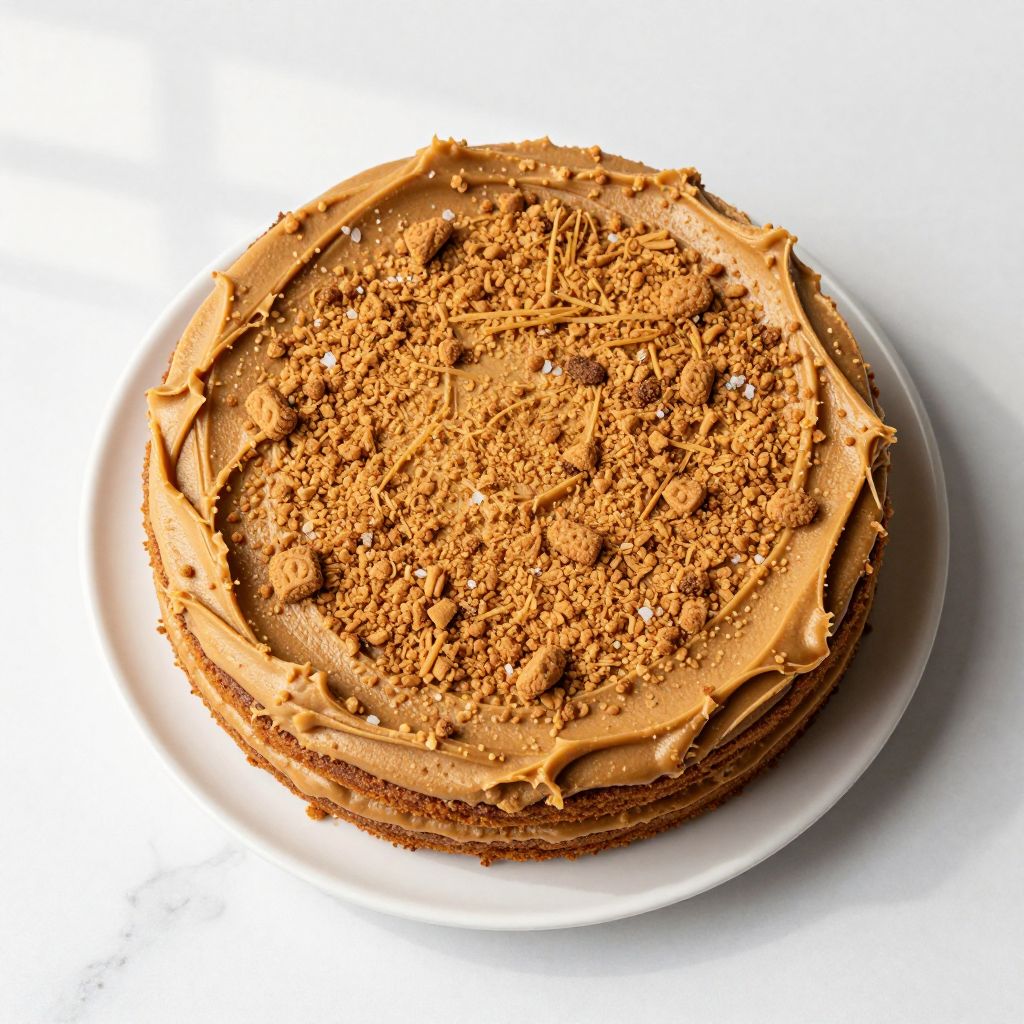
Biscoff Cake
Ingredients
Equipment
Method
- Preheat your oven to 350°F (175°C) and grease and line two 8-inch round cake pans with parchment paper.
- In a medium bowl, sift together 1 and 3/4 cups all-purpose flour, 2 teaspoons baking powder, 1/2 teaspoon salt, and 1/2 teaspoon ground cinnamon.
- In a large bowl, beat 1/2 cup softened unsalted butter and 3/4 cup granulated sugar on medium speed for 3 to 4 minutes until pale and fluffy.
- Add 2 large room-temperature eggs one at a time, beating for 30 seconds after each addition.
- Beat in 1/2 cup Biscoff spread for 1 to 2 minutes until fully incorporated.
- With the mixer on low, alternate adding the dry ingredients and 1/2 cup whole milk in three additions, beginning and ending with dry ingredients, mixing until just combined.
- Stir in 1 teaspoon vanilla extract, then divide the batter evenly between the prepared pans.
- Bake for 32 to 38 minutes or until a toothpick inserted into the center comes out with a few moist crumbs.
- Let the cakes cool in the pans for 10 minutes, then transfer to a wire cooling rack and cool completely, about 1 hour.
- To make the frosting, beat 1/2 cup softened unsalted butter and 3/4 cup Biscoff spread on medium speed for 2 minutes, then add 1 and 1/2 cups powdered sugar and 1/4 teaspoon salt on low speed until combined. Add 1 tablespoon heavy cream and beat on medium for 1 minute until fluffy.
- In a small bowl, combine 12 crushed Biscoff cookies, 2 tablespoons melted unsalted butter, 1 tablespoon brown sugar, and a pinch of sea salt to form the crumble topping.
- Level the cooled cake layers with a serrated knife or cake leveler.
- Place one layer on a serving plate, spread a thin layer of frosting on top, add the second layer, and frost the top and sides of the cake.
- Chill the frosted cake for 15 minutes to set the frosting.
- Press the crumble topping onto the top and sides of the cake until evenly covered.