
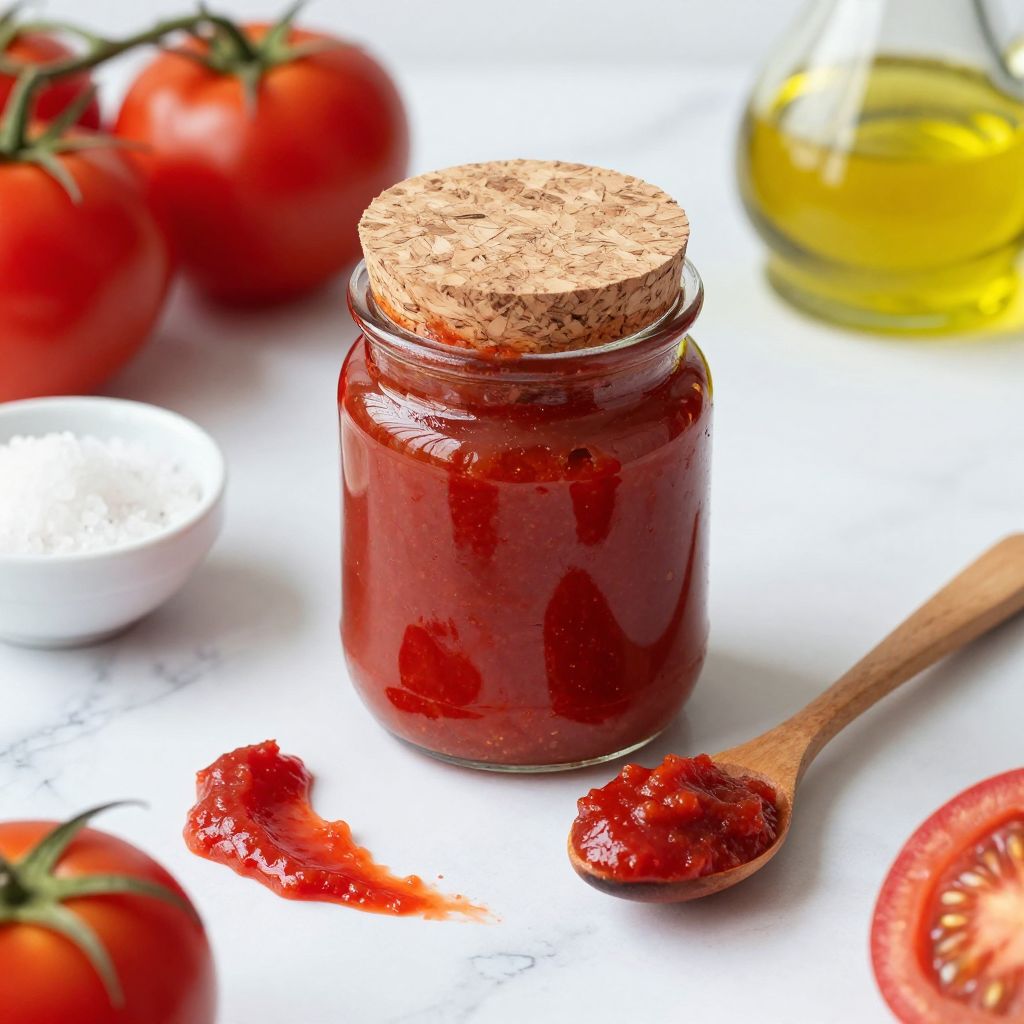
There’s something incredibly satisfying about making your own Tomato Paste, especially when you can transform fresh tomatoes into a rich, flavorful concentrate. This recipe brings out the natural sweetness and acidity of tomatoes, creating a versatile ingredient that enhances countless dishes, from sauces to stews. The process may take some time, but the end result is a deep, concentrated flavor that store-bought options simply can’t match.
Why You’ll Love This Recipe
This homemade tomato paste is a game changer in the kitchen.
- Rich flavor that elevates any dish.
- Easy to make with just a few ingredients.
- Perfect for meal prep and freezing.
- No preservatives or additives.
- Versatile and can be used in many recipes.
My Experience Making This Recipe
When I first tried making my own tomato paste, I was amazed by how simple it was. The aroma of simmering tomatoes filled my kitchen, bringing back memories of my grandmother’s garden.
Friends and family couldn’t believe I made it from scratch. The flavor was so much more vibrant than anything I had bought, and I found myself adding it to every dish imaginable.
Recipe Overview
- Recipe Name: Tomato Paste
- Servings: Varies
- Prep Time: 15 minutes
- Cook Time: 2 to 3 hours
- Total Time: 2 hours 15 minutes to 3 hours 15 minutes
- Course: Condiment
- Cuisine: Italian
- Calories per Serving: 20
Equipment You Will Need
- Large pot
- Large spoon
- Blender or food processor
- Fine mesh sieve
- Baking sheet
- Parchment paper
- Glass jars or containers for storage
Ingredients for Tomato Paste
- Fresh tomatoes: 5 pounds (Roma or paste tomatoes work best)
- Olive oil: 2 tablespoons
- Salt: 1 teaspoon (adjust to taste)
- Sugar: 1 tablespoon (optional, balances acidity)
Ingredient Notes and Substitutions
- Fresh tomatoes: They provide the best flavor; canned tomatoes can be a substitute, but the paste will be thinner.
- Olive oil: Adds richness; avocado oil or any neutral oil can be used instead.
- Salt: Enhances flavor; use sea salt or kosher salt as a substitute.
- Sugar: Helps cut acidity; you can use honey or maple syrup if preferred.
How to Make Tomato Paste
Step 1: Prepare the Tomatoes
Start by washing your tomatoes thoroughly. This removes any dirt and helps ensure a clean paste.
Step 2: Core and Chop
Core the tomatoes and chop them into quarters. This will help them cook down faster and easier.
Step 3: Cook the Tomatoes
Place the chopped tomatoes into a large pot over medium heat. Cook for about 30 minutes, stirring occasionally until the tomatoes break down and release their juices.
Step 4: Blend the Mixture
Once the tomatoes are softened, blend the mixture with a blender or food processor until smooth. This creates a uniform texture for your paste.
Step 5: Strain the Mixture
Pour the blended tomatoes through a fine mesh sieve into another pot. This step removes the seeds and skins, leaving you with a smooth sauce.
Step 6: Reduce the Sauce
Cook the strained tomato sauce over low heat for 1.5 to 2 hours. Stir frequently to prevent burning, until it reduces to a thick paste.
Step 7: Add Oil and Seasonings
Once thickened, stir in the olive oil, salt, and optional sugar. This enhances the flavor and gives your paste a richer taste.
Step 8: Cool and Store
Remove the pot from heat and let the paste cool slightly. Transfer it to glass jars or containers for storage, making sure to leave some space at the top.
Pro Tip: If you want to store it long-term, consider freezing the paste in ice cube trays for easy portioning later.
Tips for the Best Tomato Paste
- Use ripe tomatoes for the best flavor.
- Don’t rush the cooking process; low and slow is key for depth.
- Keep stirring to avoid sticking and burning.
- Adjust salt and sugar to your taste during cooking.
- Store the paste in an airtight container to keep it fresh longer.
Common Mistakes to Avoid
- Using under ripe tomatoes; they won’t yield the best flavor.
- Not straining the mixture; skins and seeds can make the paste gritty.
- Rushing the cooking time; it needs time to develop its flavor.
- Ignoring the stirring; it can burn and ruin the paste.
Serving Suggestions
This tomato paste is incredibly versatile, perfect for adding depth to your favorite dishes.
- Use it in pasta sauces for a rich base.
- Add it to stews for added flavor.
- Mix it into soups for a thick, hearty consistency.
- Spread it on pizza for an extra kick.
Variations to Try
- Add garlic and herbs while cooking for a more complex flavor.
- Incorporate roasted peppers for a smoky twist.
- Mix in a splash of balsamic vinegar for acidity.
- Try adding chili flakes for a spicy version.
Dietary Adaptations
- Gluten-free: This recipe is naturally gluten-free.
- Dairy-free: No dairy is used in this recipe.
- Vegan/Vegetarian: Perfect for both diets, packed with vegetables.
- Low-carb/Keto: Low in carbs, great for keto diets.
Storage and Reheating
Refrigerator
Store the tomato paste in the refrigerator for up to a week.
- Use an airtight container to keep it fresh.
Freezer
Freeze for up to 6 months for longer storage.
- Transfer to ice cube trays or freezer bags for easy portioning.
Reheating
Reheat gently on the stove over low heat.
- Stir in a little water or olive oil if it’s too thick.
Nutrition Information
| Nutrient | Amount |
|---|---|
| Calories | 20 |
| Total Fat | 2g |
| Saturated Fat | 0.3g |
| Carbohydrates | 4g |
| Fiber | 1g |
| Sugar | 2g |
| Protein | 1g |
| Sodium | 110mg |
| Cholesterol | 0mg |
This nutritional information is an estimate and can vary based on ingredient brands and quantities used.
Frequently Asked Questions
Can I use canned tomatoes for this recipe?
Yes, but fresh tomatoes yield a more vibrant flavor and thicker paste.
How long does homemade tomato paste last?
It can last up to a week in the fridge and 6 months in the freezer.
Can I make this tomato paste in advance?
Absolutely, it’s perfect for meal prep and can be made ahead of time.
Why is my tomato paste too watery?
This can happen if it wasn’t cooked long enough to reduce; just simmer it longer.
What can I use tomato paste in?
It’s great in sauces, soups, stews, and even as a pizza base.
Final Thoughts
Making your own tomato paste is a rewarding process that adds a burst of flavor to your meals. Give it a try and enjoy the delicious results!
If you loved this recipe, check out my delicious Tomato Gravy Recipe or explore the flavors in my Pomodoro Sauce Recipe for more culinary inspiration.
Tomato Paste
Ingredients
Equipment
Method
- Start by washing your tomatoes thoroughly.
- Core the tomatoes and chop them into quarters.
- Place the chopped tomatoes into a large pot over medium heat.
- Cook for about 30 minutes, stirring occasionally until the tomatoes break down.
- Blend the mixture until smooth using a blender or food processor.
- Pour the blended tomatoes through a fine mesh sieve into another pot.
- Cook the strained tomato sauce over low heat for 1.5 to 2 hours, stirring frequently.
- Once thickened, stir in the olive oil, salt, and optional sugar.
- Remove the pot from heat and let the paste cool slightly.
- Transfer it to glass jars or containers for storage.