
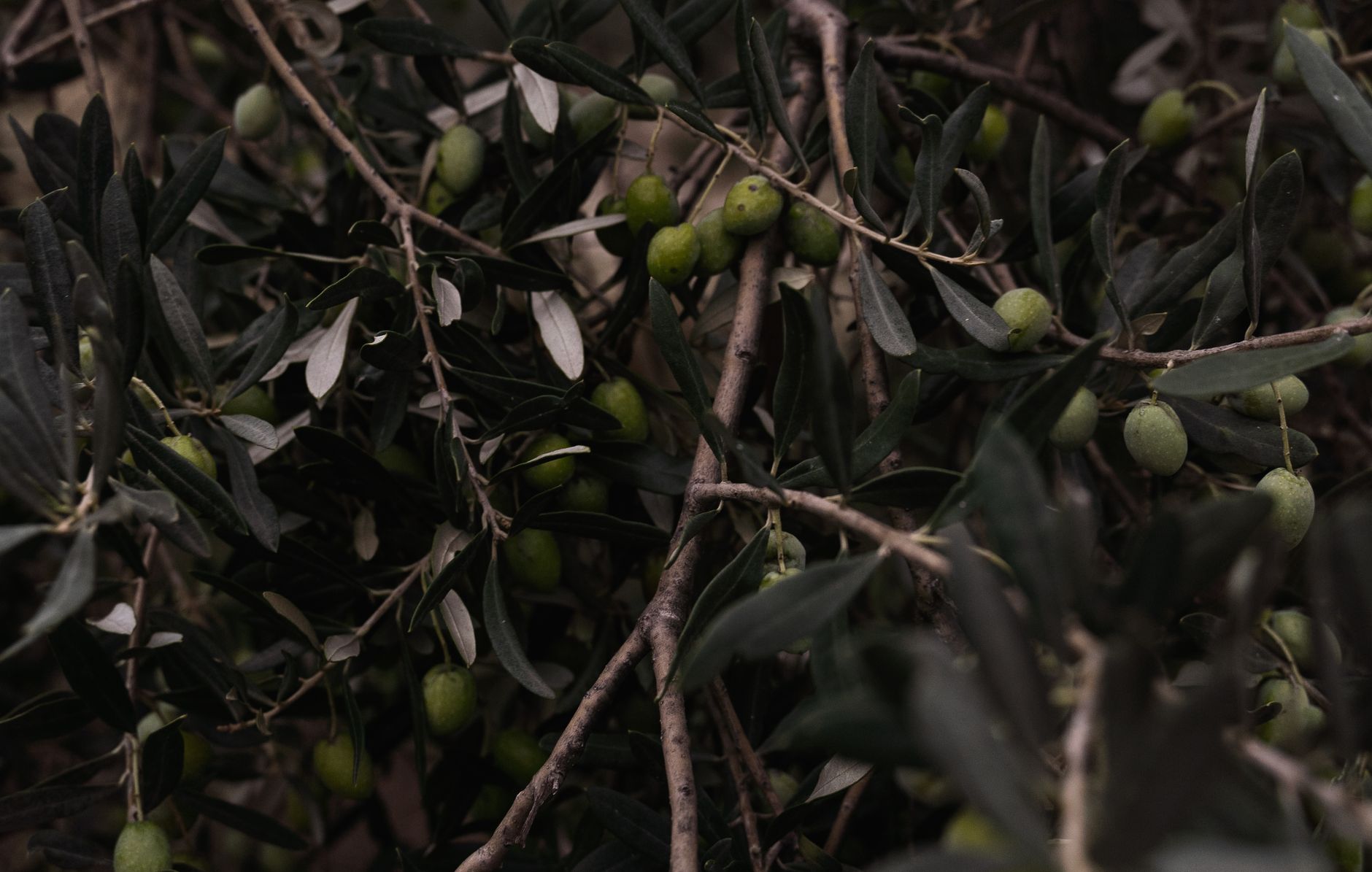
Have you ever pondered whether an olive is classified as a vegetable? This question not only uncovers intriguing aspects of botanical classification but also opens a dialogue about the culinary uses, nutritional benefits, and versatility of olives in the kitchen. Understanding what makes olives unique can enhance your cooking and ingredient selection.
In this article, we will delve into the classification of olives, explore their nutritional value, and discover various ways to incorporate them into your meals. Whether you’re a cooking novice or a seasoned chef, knowledge about olives can elevate your culinary creations.
Is Olive a Vegetable?
Botanically speaking, olives are not classified as vegetables; they are fruits. Specifically, olives are classified as drupes, which are fleshy fruits with a single seed. While they may be commonly used in savory dishes akin to vegetables, their classification makes them fruit on the botanical scale.
Understanding the Botanical Classification
The classification of plants is an intricate field, and the distinction between fruits and vegetables plays a fundamental role in this. Fruits are generally the mature ovaries of flowering plants, containing seeds, whereas vegetables can consist of different edible parts such as roots, stems, and leaves.
What Are Drupes?
Drupes, also known as stone fruits, have a unique structure. They typically consist of three layers:
- Exocarp: The outer skin that protects the fruit.
- Mesocarp: The fleshy middle layer, which we consume when eating an olive.
- Endocarp: The hard pit or stone that encloses the seed.
This structure is characteristic of olives, alongside fruits like cherries, peaches, and plums. Thus, olives fall under the fruit category rather than vegetable.
Nutrition of Olives
Olives are not only fruit but also a powerhouse of nutrients. Here’s a closer look at some of their key nutritional benefits:
Macronutrients
- Healthy Fats: Olives are rich in monounsaturated fats, particularly oleic acid, which can contribute to heart health.
- Carbohydrates: They contain a small amount of carbohydrates, primarily from fiber.
- Protein: While not high in protein, olives do provide some along with other essential nutrients.
Vitamins and Minerals
Olives are a good source of important vitamins and minerals:
- Vitamin E: A potent antioxidant that promotes skin health and helps protect cells from oxidative damage.
- Iron: Supports blood health and oxygen transport.
- Copper: Essential for several enzymatic and metabolic processes.
Olive Health Benefits
Because of their rich nutrient profile, olives have been associated with numerous health benefits:
- May reduce the risk of heart disease due to their high monounsaturated fat content.
- Antioxidants found in olives may help in reducing inflammation and the risk of chronic diseases.
- Support digestive health thanks to their fiber content, promoting gut health and bowel regularity.
Culinary Uses of Olives
Olives are incredibly versatile and can be enjoyed in a myriad of ways. Their unique flavor and texture can enhance various dishes. Here are some common ways to incorporate olives into your meals:
Salads
Olives add a salty, savory flavor to salads. Whether in a traditional Greek salad or a Mediterranean grain salad, they contribute both taste and nutrition.
Tapenade
This flavorful spread combines olives, capers, garlic, and olive oil, creating a delightful accompaniment for bread or crackers.
Pasta Dishes
Olives can be a delicious addition to pasta dishes, providing complexity and depth. Whether tossed in a simple garlic and olive oil sauce or added to a rich tomato sauce, olives are a flavorful enhancement.
Pizza and Bread
Chopped olives work well as a pizza topping or in bread recipes. Their briny flavor complements cheese and vegetables beautifully.
Other Uses
Olives can be pickled, grilled, or stuffed with various fillings like cheese, nuts, or herbs, presenting more options in your cooking repertoire.
Types of Olives
There are numerous olive varieties, each boasting unique flavors and uses. Here are some popular types:
- Green Olives: Harvested before they ripen, these olives are tangy and often cured in brine.
- Black Olives: Fully ripened olives, commonly used in tapenade and salad dressings.
- Kalamata Olives: Renowned for their almond shape and deep purple color, these are commonly used in Mediterranean dishes.
- Castelvetrano Olives: Sweet and crunchy, these are often served as a snack or appetizer.
- Manzanilla Olives: Small and green, these are frequently used in Spanish cuisine.
Buying and Storing Olives
When purchasing olives, consider the following tips for choosing quality fruits and ensuring their longevity:
Choosing Olives
- Look for olives that are free from blemishes and have a vibrant color.
- Check the packaging for freshness date; opt for products that are as recent as possible.
- Choose between whole olives or sliced versions based on your culinary needs; whole olives tend to stay fresher longer.
Storing Olives
Storage techniques can significantly affect the flavor and lifespan of olives. Here are basic guidelines:
- If you buy olives in brine, store them in their original container in the fridge.
- Olives stored in oil should also be kept in the fridge, as this helps maintain their flavor.
- To extend shelf life, cover any opened jars with additional oil or brine and ensure they remain submerged.
Olive Oil: A Related Ingredient
When discussing olives, one cannot overlook the significance of olive oil. Olive oil is derived from pressing olives and is widely known for its excellent culinary properties and health benefits.
Uses of Olive Oil
- It serves as a base for dressings and marinades.
- It can be used for sautéing or roasting vegetables.
- Drizzling it over finished dishes enhances flavor.
Nutritional Advantages of Olive Oil
Similar to olives, olive oil is rich in monounsaturated fats and antioxidants. The incorporation of olive oil into your diet has been linked to improved cardiovascular health and reduced inflammation.
Substitutions for Olives
If you happen to be out of olives or prefer not to use them, there are alternatives that can mimic their flavor and texture:
- Capers: Their salty, briny flavor can work in place of olives, especially in sauces.
- Sun-Dried Tomatoes: These can offer a similar chewy texture and a hint of tanginess.
- Pickles: While different in flavor, certain pickles can bring a salty crunch to salads and dishes.
Common Mistakes When Handling Olives
Even experienced cooks can make mistakes with olives. Here are some common pitfalls and tips on avoiding them:
Ignoring Saltiness
Olives can be quite salty, so it’s essential to taste before adding additional salt to your dishes. Adjust ingredients accordingly to avoid overpowering flavors.
Using Low-Quality Olives
Quality matters with olives. Opt for high-quality olives that have been properly cured and stored. The flavor difference can impact your dish significantly.
Not Storing Properly
Failure to store olives correctly can lead to spoilage. Adhere to storage recommendations to maximize their freshness and ensure safety.
Incorporating Olives Into Meal Plans
Adding olives to your meals is straightforward. Here are tips to include olives in your weekly meal planning:
- Incorporate them into salads for added texture and flavor during lunch.
- Make a tapenade to serve with crusty bread for an easy appetizer.
- Add olives to quesadillas, pizzas, or pasta dishes as flavorful garnishes.
Conclusion
Understanding that olives are classified as fruits rather than vegetables can enrich your knowledge of culinary practices. Their nutrition, variety, and versatility make them an excellent addition to any meal. Armed with this information, you can experiment with olives in your cooking and explore their full potential.
For delicious recipes featuring olives, you might wish to try our Olive Salad Recipe or discover more about oils with our guide on substituting olive oil for avocado oil. Happy cooking!