
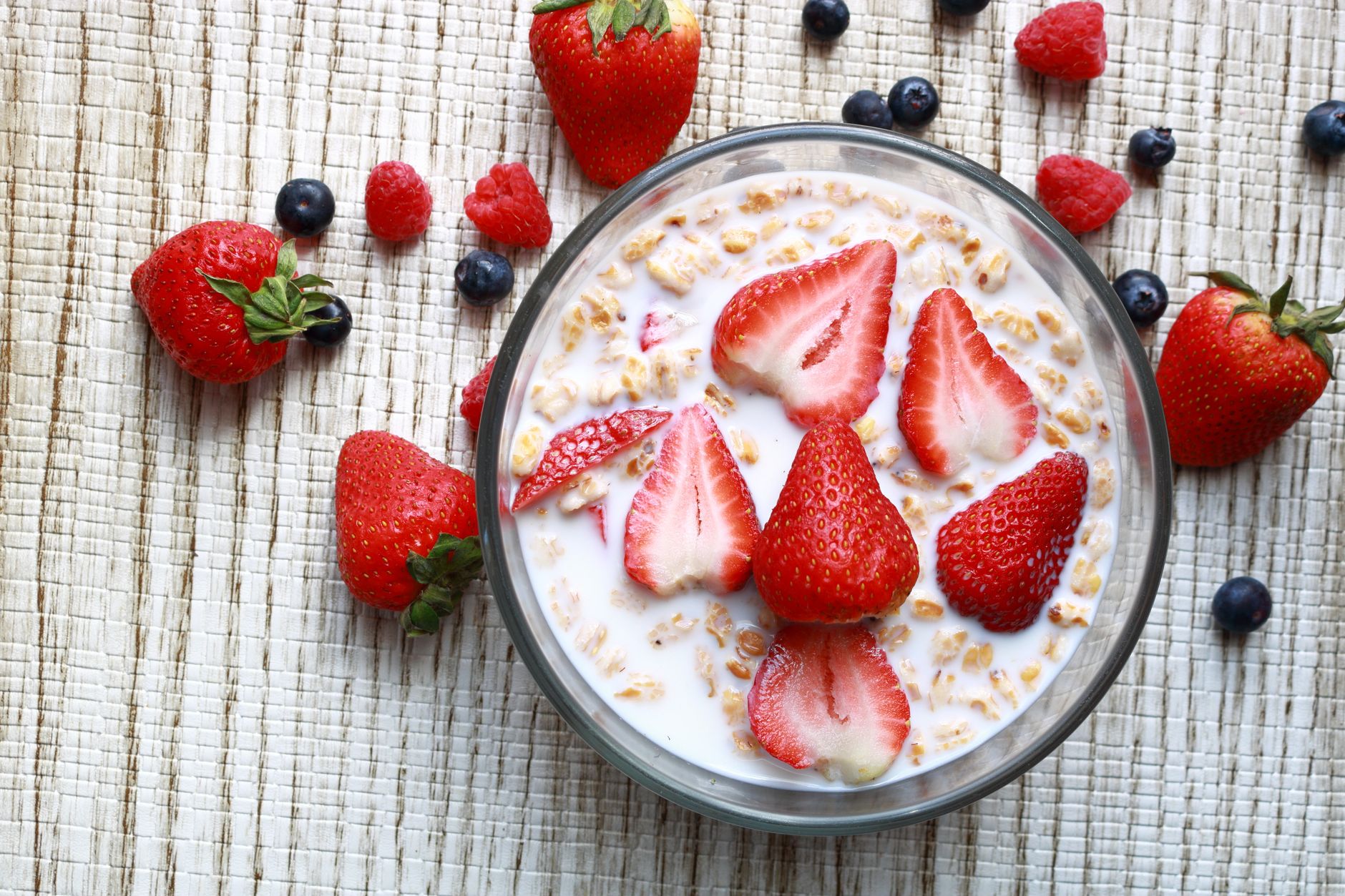
Managing cholesterol levels is crucial for maintaining heart health. Diet plays a significant role in this, and knowing which foods can help lower cholesterol can lead to better choices. This article explores various foods that can contribute to healthier cholesterol levels, alongside practical tips for incorporating them into your meals.
Lowering cholesterol levels isn’t just about avoiding certain foods; it involves embracing a variety of nutrient-rich options that promote heart health. Let’s delve into these beneficial foods and how to make them a part of your diet.
What Foods Help to Lower Cholesterol?
Several food categories are known for their cholesterol-lowering properties. Integrating these foods into your diet can help combat high cholesterol levels effectively. Here are several key types of foods that help lower cholesterol.
1. Oats and Whole Grains
Oats and whole grains are rich in soluble fiber, which binds with cholesterol in the digestive system, preventing it from being absorbed into the bloodstream. Incorporating these into your daily meals can significantly benefit your health.
- Oats: Start your day with a bowl of oatmeal or add oats to smoothies or muffins.
- Barley: Use barley as a hearty base for salads or stews.
- Quinoa: Serve quinoa as a side dish or use it in salads for added texture.
Daily Portions
A reasonable portion of oats is about 1 cup cooked, which provides approximately 6 grams of soluble fiber. For other grains like quinoa or barley, aim for small servings of 1/2 to 1 cup cooked.
2. Legumes
Legumes like beans, lentils, and chickpeas are excellent sources of plant-based protein and fiber. They have been shown to lower harmful LDL cholesterol levels effectively.
- Black beans: Use them in salads, soups, or as a filling for tacos.
- Chickpeas: Roast chickpeas for a crunchy snack or use them in hummus.
- Lentils: Add lentils to stews, salads, or enjoy them as a side dish.
Daily Portions
Aiming for at least 1 cup of cooked legumes per day can help improve cholesterol levels. This provides ample fiber along with other nutrients.
3. Nuts and Seeds
Nuts and seeds contain heart-healthy fats, fiber, and antioxidants that can lower cholesterol. Consuming a variety of these can support overall heart health.
- Walnuts: Great as a topping on salads or a snack on their own.
- Almonds: These can be eaten raw or used in almond milk.
- Chia seeds: Add them to smoothies or yogurt for a nutritious boost.
Daily Portions
Stick to a serving size of about 1 ounce (a small handful) of nuts or seeds per day to balance calorie intake while reaping the health benefits.
4. Fruits, Especially Berries
Fruits, particularly those rich in soluble fiber and antioxidants, can aid in lowering cholesterol. Berries, apples, and citrus fruits are particularly effective.
- Blueberries: Enjoy them fresh, frozen, or blended into smoothies.
- Apples: Snack on them raw or add to salads for a sweet crunch.
- Oranges: Fresh oranges or orange juice can be a refreshing option.
Daily Portions
Strive for at least 2 servings of fruit per day, aiming for several servings of berries for a concentrated dose of benefits.
5. Fatty Fish
Fatty fish like salmon, mackerel, and sardines are high in omega-3 fatty acids, which can help lower levels of LDL cholesterol and raise HDL (good) cholesterol.
- Salmon: Grill or bake salmon for a nutritious meal.
- Mackerel: Enjoy smoked mackerel in salads or as a savory spread.
- Sardines: These can be added to pasta or eaten on whole-grain crackers.
Daily Portions
Incorporate at least 2 servings of fatty fish per week to benefit from omega-3 fatty acids, with each serving being approximately 3 to 4 ounces.
6. Healthy Oils
Choosing the right fats can also make a difference in lowering cholesterol levels. Opt for healthy fats such as olive oil or avocado oil.
- Olive oil: Use it as a dressing or for sautéing.
- Avocado oil: Ideal for high-heat cooking and as a salad dressing base.
Daily Portions
Aim for about 2 tablespoons of healthy oils per day while being mindful of overall calorie intake.
7. Avocados
Avocados are rich in monounsaturated fats and fiber, which can help lower LDL cholesterol levels. They also provide vitamins and minerals essential for heart health.
- Guacamole: Enjoy it as a dip or spread on whole-grain toast.
- Salads: Dice avocado into salads for added creaminess.
Daily Portions
Incorporating half to one avocado per day can be beneficial for cholesterol levels, alongside a balanced diet.
8. Dark Chocolate and Cocoa
Dark chocolate and cocoa contain flavonoids, which can help improve cholesterol levels when consumed in moderation. Choose varieties with at least 70% cocoa content.
- Dark chocolate: Snack on a small square or add to baked goods.
- Cocoa powder: Mix into smoothies or use in healthy desserts.
Daily Portions
Limit dark chocolate to about 1 ounce a few times a week to enjoy the benefits without excessive sugar intake.
Meal Planning with Cholesterol-Lowering Foods
Integrating these cholesterol-lowering foods into your meals can be achieved through thoughtful meal planning. Here are a few ideas for a day’s worth of meals that emphasize heart-healthy choices:
Breakfast
- Oatmeal topped with fresh berries and a sprinkle of chia seeds.
- Whole grain toast with avocado and a poached egg.
Lunch
- Salad with mixed greens, chickpeas, tomatoes, cucumbers, and a vinaigrette made with olive oil.
- Quinoa bowl topped with black beans, salsa, and diced avocado.
Dinner
- Grilled salmon with steamed broccoli and quinoa.
- A stir-fry with a variety of vegetables and lentils cooked in olive oil.
Snacks
- A handful of walnuts or almonds.
- Sliced apple with almond butter or a few squares of dark chocolate.
Cooking Techniques to Enhance Health Benefits
How you prepare your food can impact its health benefits. Here are some tips to maximize the cholesterol-lowering properties of your meals:
Choose Cooking Methods Wisely
Cooking methods like steaming, roasting, grilling, and stir-frying in healthy oils preserve nutrients better than frying. Avoiding processed cooking methods helps retain beneficial properties.
Flavor Without Added Fats
Use herbs, spices, and citrus to flavor your dishes instead of relying on excessive salt or unhealthy fats. This enhances taste without compromising heart health.
Common Mistakes to Avoid
While focusing on lowering cholesterol through dietary changes, it’s crucial to avoid common pitfalls:
- Relying solely on one food group: Balance is key. Incorporate a variety of cholesterol-lowering foods into your diet.
- Overlooking portion sizes: Even healthy foods can lead to weight gain if consumed excessively.
- Ignoring nutritious alternatives: Choosing whole grains instead of refined grains is essential for maximizing fiber intake.
Final Thoughts on Lowering Cholesterol
Lowering cholesterol levels is not an overnight process, but incorporating the right foods into your diet can significantly help over time. Focus on a balanced diet rich in whole grains, legumes, fruits, vegetables, healthy fats, and lean protein sources. Remember to stay mindful of portion sizes to achieve the best results.
This approach is not only beneficial for your heart but can also lead to overall improved health and well-being. Enjoy the journey of discovering new foods, flavors, and recipes that support your health goals.
For further inspiration and to expand your culinary repertoire, consider exploring various recipes and helpful cooking tips. You may find ideas for chia pudding recipe or discover more about the benefits of chia seeds. Happy cooking!