
Acai has gained immense popularity in recent years, celebrated for its vibrant purple color and superfood status. However, many people are still curious about what acai is made out of, how it can be incorporated into daily meals, and what it actually tastes like. This article delves into the essential components of acai, its unique flavor and texture, and provides practical kitchen uses.
Acai berries, sourced from the acai palm tree native to the Amazon rainforest, are primarily known for their rich antioxidant content and nutritious profile. Understanding what acai is made out of not only helps in appreciating this berry but also guides its incorporation into recipes, snacks, and beverages.
What Is Acai Made Out of?
Acai berries are small, dark purple fruits that grow on the acai palm (Euterpe oleracea). These berries primarily consist of:
- Water: Making up about 80% of the fruit, which contributes to its light and refreshing nature.
- Fiber: Acai berries are high in dietary fiber, which aids in digestion and promotes a feeling of fullness.
- Fats: Unlike many fruits, acai berries contain healthy fats, primarily omega-3 and omega-9 fatty acids, contributing to heart health.
- Vitamins: They are a source of vitamins A, C, and E, which are essential for skin health, immune function, and overall body maintenance.
- Minerals: Acai berries provide essential minerals like potassium and calcium.
- Antioxidants: Acai berries are known for their high levels of anthocyanins, a type of antioxidant that gives them their deep purple color and contributes to numerous health benefits.
The Flavor and Texture of Acai
The taste of acai is often described as a combination of berries and chocolate. Its natural flavor can be considered slightly earthy and tart, which may not be overly sweet compared to other fruits. The texture is creamy when blended, making it perfect for smoothies and bowls.
Because of its unique flavor profile, acai pairs well with various ingredients, from fruits to nuts and seeds. This versatility allows for numerous culinary applications, helping to enhance breakfast dishes, snacks, or even desserts.
Kitchen Uses for Acai
Knowing what acai is made out of can help you understand how to incorporate it into your meals. Below are suggestions for using acai in various forms:
1. Acai Bowls
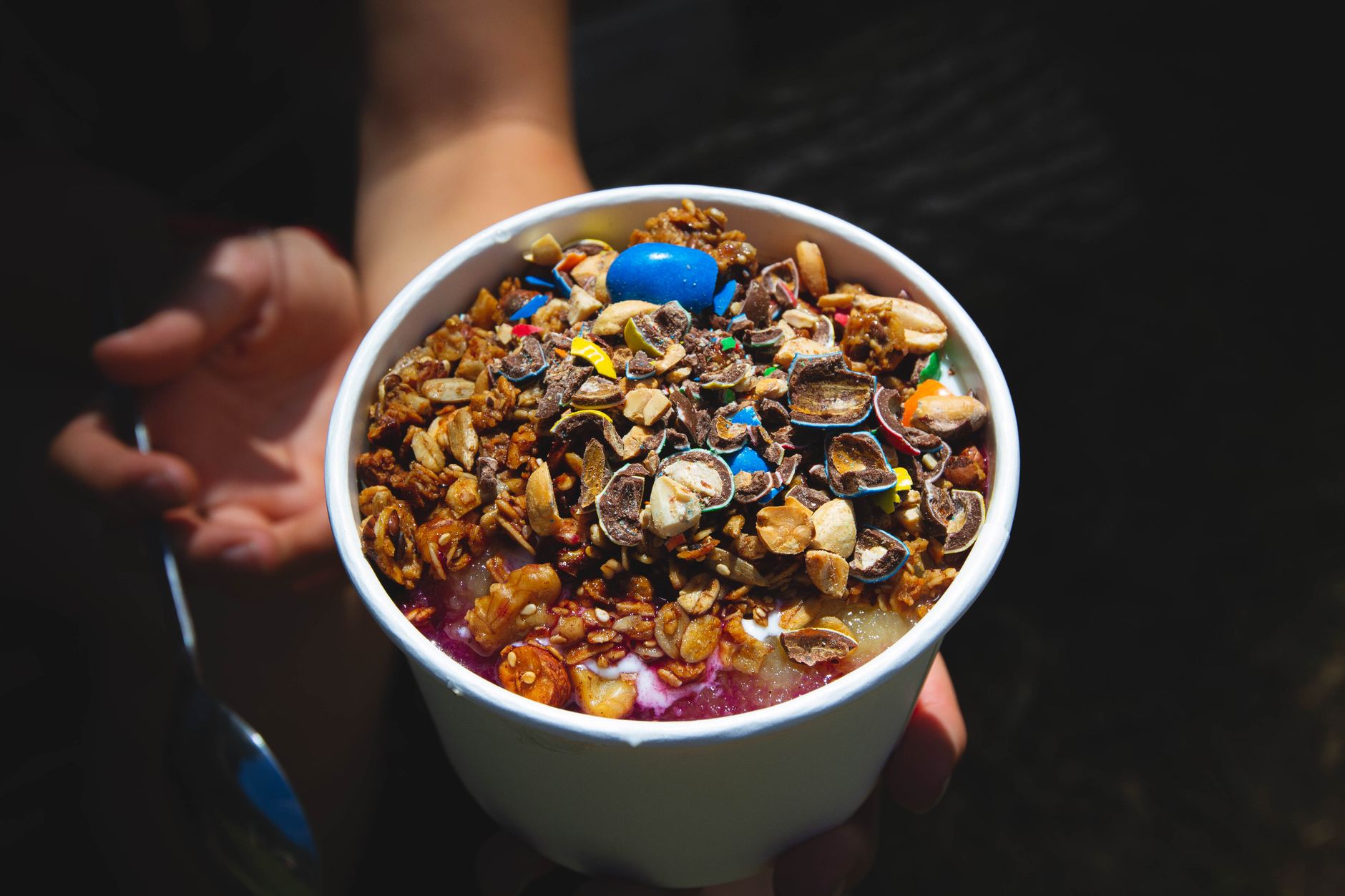
Acai bowls are a popular way to enjoy acai. Typically, acai puree is blended and served as a base, topped with various fruits, granola, nuts, and seeds. This makes for a nutritious and visually appealing breakfast or snack.
2. Smoothies
Adding frozen acai puree to smoothies is an excellent way to enhance the overall nutritional value. When blended with other fruits such as bananas or mangoes, it creates a deliciously thick and creamy drink. Consider using a high-speed blender for the best texture.
3. Acai Powder
Acai powder, made by freeze-drying acai berries, can be easily incorporated into various recipes. Use it in smoothies, oatmeal, yogurt, or even energy balls for a nutrient boost. Acai powder usually has a shelf life, making it convenient for long-term use.
4. Desserts
Acai can also be used to make healthy desserts. Incorporating acai puree into recipes for popsicles, sorbets, or raw energy bars can create delicious and nutritious options.
5. Salad Dressings and Sauces
For a unique twist, you can blend acai puree into salad dressings for added flavor and nutrition. Combine it with ingredients like olive oil, vinegar, and herbs for a memorable salad topping.
6. Baking
Acai puree or powder can be incorporated into baking recipes, adding a subtle flavor and unique color to things like muffins or pancakes. It’s an unexpected yet delightful addition to traditional baked goods.
Practical Tips for Using Acai
Regardless of how you choose to incorporate acai into your meals, here are some practical tips to keep in mind:
- Frozen Acai Packs: Purchase frozen acai puree packs for convenient use in smoothies and bowls. Ensure to blend them quickly to retain their smooth texture.
- Storage: If using powdered acai, store it in a cool, dry place in an airtight container to maintain freshness and potency.
- Serving Sizes: A typical serving size of acai puree for smoothies or bowls ranges from 100 to 150 grams, but adjustments can be made depending on your personal preferences.
- Acai Berry Ingredients: Complement acai with ingredients like banana, coconut, honey, or nut butter to enhance flavor and increase nutritional value.
Common Mistakes to Avoid
When preparing acai, avoiding common pitfalls will not only improve taste but also ensure a better culinary experience:
- Overblending: When making an acai bowl, avoid overblending the mixture. Instead, blend until just smooth to maintain a thick and creamy texture.
- Excessive Sweeteners: While you may be tempted to add additional sweeteners, acai has a natural berry-like flavor that can be complemented without overt sweetness. Taste before adding sugars or syrups.
- Wrong Proportions: Balancing acai with other ingredients is crucial for creating delicious recipes. Too much liquid can make smoothies runny, while not enough can result in undesirable thickness.
Acai Nutrition and Health Benefits
While it’s essential to note that results can vary and this article does not claim health benefits, many health enthusiasts promote acai for its nutritional values. Here’s what makes acai appealing from a dietary perspective:
- Rich in antioxidants which help combat oxidative stress.
- High in fiber aiding digestion and supporting gut health.
- Contains healthy fats beneficial for heart health.
How to Select and Store Acai
When choosing acai products, consider these key points:
- Quality: Look for organic acai products that are free from additives and preservatives for the best nutritional value.
- Color: Good quality acai should have a deep purple color, indicating high anthocyanin levels.
- Storage: Store frozen acai puree in a freezer for up to eight months. Acai powder should be sealed and kept away from heat and moisture.
Acai Recipe Ideas
Here are a couple of simple recipe ideas to get you started using acai in your kitchen:
Acai Bowl Recipe
This refreshing acai bowl makes for a quick breakfast or snack.
- Ingredients:
- 100g frozen acai puree
- 1 banana
- 1/2 cup almond milk (or any milk of your choice)
- Toppings:
- Granola
- Fresh fruits (like strawberries, blueberries, or kiwi)
- Nuts and seeds (such as almonds or chia seeds)
- In a blender, combine frozen acai puree, banana, and almond milk.
- Blend until smooth and thick; adjust almond milk as needed.
- Pour the mixture into a bowl and top with granola, fresh fruits, and nuts.
Acai Smoothie Recipe
A simple acai smoothie that’s nutritious and delicious.
- Ingredients:
- 100g frozen acai puree
- 1 banana
- 1/2 cup spinach (optional)
- 1 cup almond milk
- 1 tablespoon honey or maple syrup (optional)
- Combine all ingredients in a blender.
- Blend until silky smooth, adjusting sweetness as desired.
- Serve immediately, garnishing with additional fruits or seeds if desired.
Final Thoughts
In conclusion, acai is made out of nutrient-dense ingredients that can significantly enhance your health and wellbeing. With its unique taste and versatile applications, it’s easy to include acai in many culinary creations. Whether you indulge in an acai bowl for breakfast, blend it into smoothies, or add it to desserts, you can savor its delicious flavor and enjoy its beneficial properties.
Explore related recipes and tips to expand your culinary repertoire by checking out healthy acai bowl information here: Is Acai Bowl Healthy?, or learn how to make chia pudding with coconut milk at this link: Chia Pudding Recipe with Coconut Milk.