
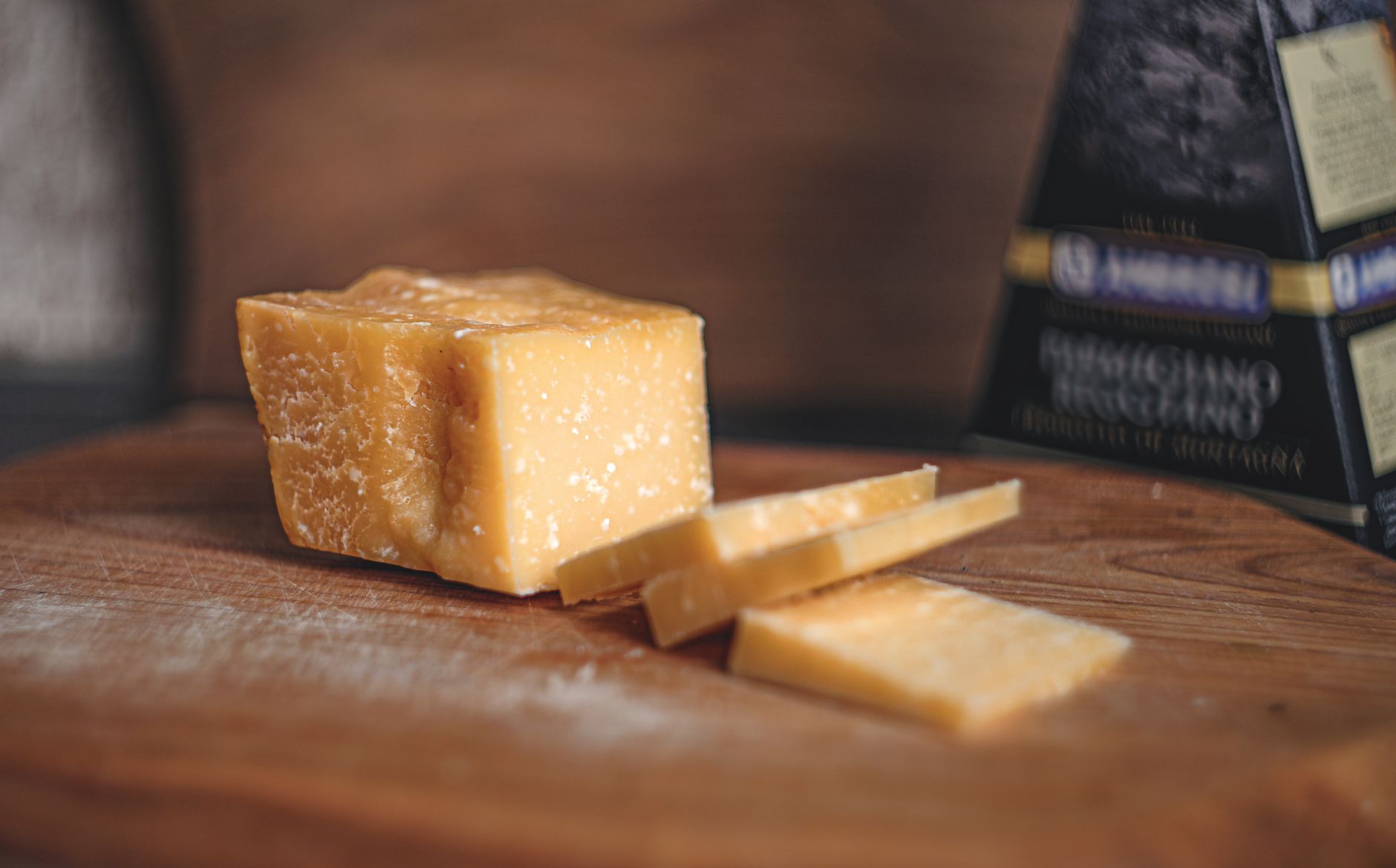
Parmesan cheese is a popular ingredient known for its distinct flavor and versatility in various dishes. Often found in pastas, salads, and sauces, it adds a salty, rich taste that enhances numerous recipes. Understanding the caloric content and nutritional value of Parmesan cheese can help you incorporate it wisely into your diet.
In this article, we will explore how many calories are in Parmesan cheese, its nutritional profile, portion sizes, and some tips on how to use and store it effectively. Whether you’re watching your caloric intake or simply want to know more about this beloved cheese, this guide has you covered.
How Many Calories in Parmesan Cheese?
Parmesan cheese contains approximately 110 to 120 calories per ounce (28 grams). This makes it relatively low in calories compared to some other cheeses, considering its strong flavor allows for smaller serving sizes. The majority of the calories in Parmesan come from fat and protein, which can provide additional nutritional benefits when consumed in moderation.
Nutritional Profile of Parmesan Cheese
Parmesan cheese is not only valued for its flavor but also for its nutritional attributes. Here’s a breakdown of the key nutritional components per one-ounce serving:
- Calories: 110-120
- Protein: 10 grams
- Fat: 7-8 grams
- Saturated fat: 4 grams
- Trans fat: 0 grams
- Carbohydrates: <1 gram
- Sodium: 400-500 milligrams
- Calcium: 30% of the Daily Value (DV)
- Vitamin A: 10% of the DV
Given these numbers, Parmesan cheese is particularly beneficial for those looking for a high-protein, low-carb option. However, be mindful of the sodium content if you are watching your salt intake.
Portion Sizes and Serving Suggestions
When adding Parmesan cheese to your meals, portion size is an important consideration. Due to its intense flavor, only small amounts are typically required to enhance a dish. Below are some common serving sizes and suggestions:
- Grated Parmesan: About 1 tablespoon (5 grams) contains around 20 calories.
- Shredded Parmesan: Approximately 1 ounce (28 grams) contains 110-120 calories and is often used in pastas and salads.
- Parmesan Crisps: Homemade or store-bought, 1 piece can vary from 30 to 70 calories depending on size and preparation.
For practical application, you might sprinkle grated Parmesan on a simple vegetable dish or toss shredded cheese into a mixed salad to enhance flavor without significantly increasing calorie intake.
How to Use Parmesan Cheese in Cooking
Parmesan cheese can be incorporated into many dishes, enhancing flavor with its unique taste. Here are several ideas for using it effectively:
- **Pasta Dishes:** Add grated or shredded Parmesan cheese directly to cooked pasta, before serving, for a creamy, rich flavor.
- **Soups and Stews:** Stir in some Parmesan cheese towards the end of cooking to add creaminess and depth.
- **Salads:** Use shaved or grated Parmesan as a topping over fresh greens for a delicious contrast in texture.
- **Baking:** Incorporate into savory baked goods like breadsticks or muffins for added richness.
- **Snacking:** Enjoy Parmesan crisps or cubes as a low-carb snack.
Parmesan Cheese and Dietary Preferences
Parmesan cheese is gluten-free, which can be advantageous for those with gluten intolerance or celiac disease. However, it’s not suitable for vegans or those following a dairy-free diet as it is made from cow’s milk. If you are looking for alternatives, nutritional yeast can provide a similar cheesy flavor without the calories or dairy.
Storage Tips for Parmesan Cheese
Proper storage can extend the life of Parmesan cheese while preserving its flavor and texture. Here are some guidelines:
- **Refrigeration:** Store Parmesan cheese in the refrigerator wrapped in parchment paper or wax paper to keep it from drying out. Avoid plastic wrap as it traps moisture, which can lead to spoilage.
- **Freezing:** For longer-term storage, grated or shredded Parmesan cheese can be frozen. Place it in an airtight container or freezer bag, and use it within six months for the best quality.
- **Checking Freshness:** When using stored Parmesan, check for any off smells or mold. Hard cheeses like Parmesan can sometimes exhibit surface mold that can be cut away, but if the cheese is overly discolored or seems slimy, discard it.
Common Mistakes When Using Parmesan Cheese
To get the most out of your Parmesan cheese, consider these common mistakes and how to avoid them:
- Using Pre-grated Cheese: Opting for pre-grated versions often means a loss of flavor and texture, as they may contain anti-caking agents. Grate your cheese fresh for best results.
- Overdoing It: While it adds great flavor, too much Parmesan can overshadow a dish. Start with a small amount and adjust according to taste.
- Skipping Fresh Cheese: Freshly purchased Parmesan tends to have a more robust flavor than older stock. Purchase from a reputable source, ideally from a deli or specialty store.
Pairing Parmesan Cheese with Other Foods
Parmesan cheese pairs wonderfully with various foods and beverages, enhancing your overall dining experience. Here are some pairing suggestions:
- Wine: Parmesan is classically paired with rich, robust red wines, such as Chianti or Barolo. The acidity in these wines complements the nuttiness of the cheese.
- Fruits: Consider serving Parmesan alongside fresh fruits like figs, pears, or apples. Their sweetness contrasts beautifully with the cheese’s saltiness.
- Nuts: Almonds or walnuts can provide a crunchy texture that makes for a satisfying snack when combined with bites of Parmesan.
Cooking with Parmesan: Recipe Ideas
If you’re inspired to cook with Parmesan, here are a couple of simple recipe ideas to showcase its deliciousness:
Parmesan-Crusted Chicken
This recipe features chicken coated in a mixture of Parmesan cheese and herbs, offering a crispy, flavorful outer layer.
- 2 chicken breasts
- 1 cup grated Parmesan cheese
- 1 cup breadcrumbs
- 1 teaspoon garlic powder
- Salt and pepper to taste
- Olive oil
- Preheat the oven to 375°F (190°C).
- In a bowl, mix the Parmesan, breadcrumbs, garlic powder, salt, and pepper.
- Brush chicken breasts with olive oil, then coat them in the cheese mixture.
- Place on a baking sheet and bake for 25-30 minutes or until the chicken reaches an internal temperature of 165°F (74°C).
Parmesan Risotto
This creamy dish is comfort food at its best, showcasing the flavor of Parmesan throughout.
- 1 cup Arborio rice
- 4 cups chicken or vegetable stock
- 1 onion, finely chopped
- 1 cup white wine
- 1 cup grated Parmesan cheese
- Salt and black pepper to taste
- 2 tablespoons butter
- In a pot, heat the stock and keep it simmering.
- In another large pan, melt butter and sauté the onion until translucent.
- Add the Arborio rice, stirring for a minute.
- Pour in the white wine and cook until absorbed.
- Add the stock, one ladle at a time, stirring frequently until the rice absorbs the liquid. Continue adding stock until the rice is creamy and al dente.
- Stir in the Parmesan cheese and season with salt and pepper before serving.
Both recipes highlight the ability of Parmesan cheese to elevate simple ingredients into satisfying meals.
To keep your meals interesting and flavorful, explore more about using ingredients like ricotta cheese in dishes or check out the Longhorn Parmesan Crusted Chicken recipe for another great way to enjoy this delightful cheese.
If you’re now inspired to include Parmesan cheese in your meals, remember to balance it within your overall dietary preferences and explore different recipes and cooking methods to enjoy it fully. Delve into the world of flavors as you experiment with this versatile ingredient for every meal from breakfast to dinner.