
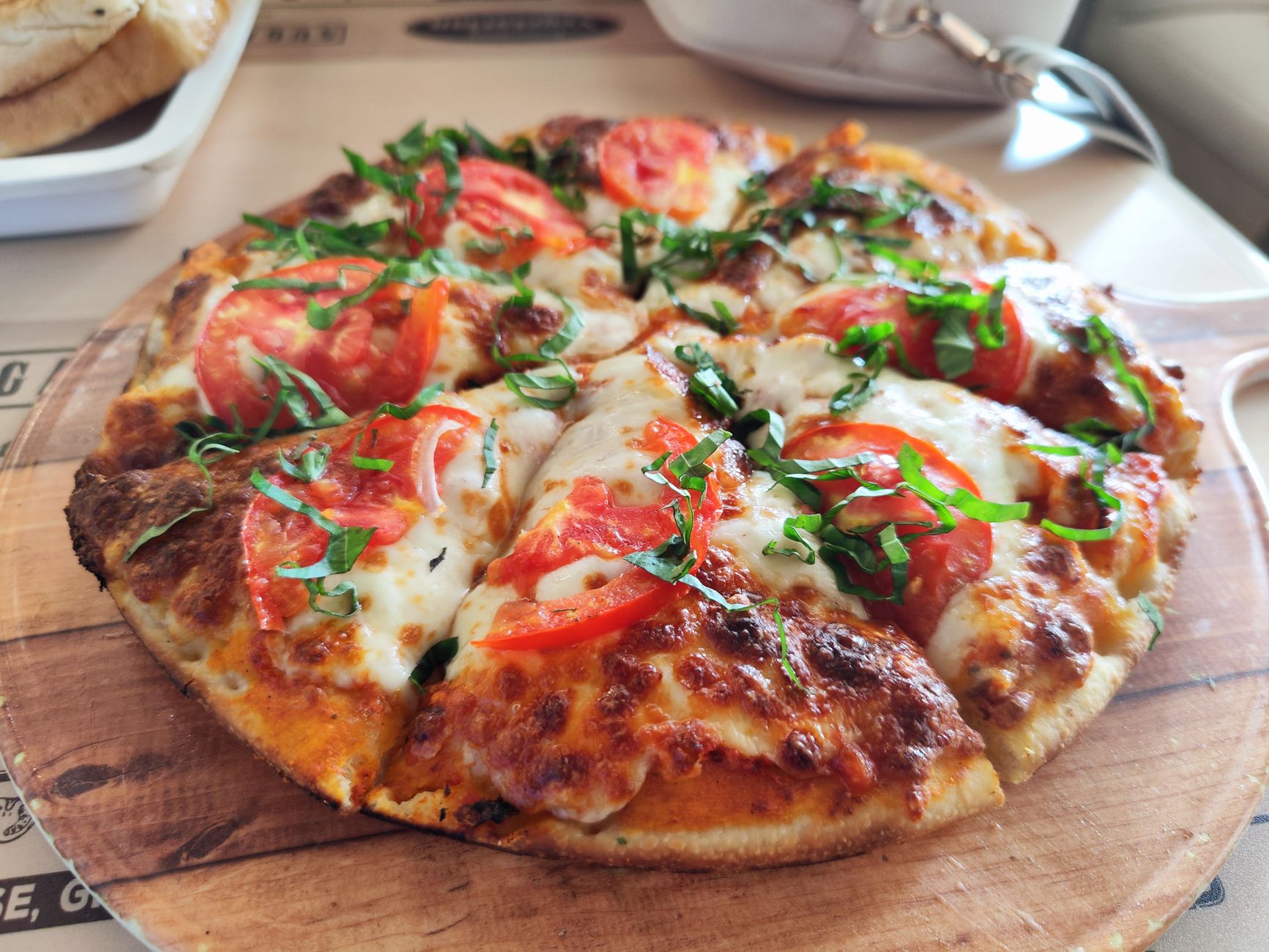
Margherita pizza is a classic Italian dish celebrated for its simple yet flavorful combination of ingredients. Rooted in Neapolitan tradition, this pizza boasts a crisp crust topped with fresh tomatoes, mozzarella cheese, basil, and a drizzle of olive oil. It is a perfect choice for those who appreciate the art of minimalism in culinary creations.
In this article, we will explore what is on a Margherita pizza, how to recreate it at home, and the significance of each ingredient. From flavor profiles to cooking techniques, this guide will provide all the information you need to enjoy this iconic dish.
What Is on a Margherita Pizza?
A Margherita pizza is built on a foundation of classic ingredients that reflect the colors of the Italian flag: red tomatoes, white mozzarella, and green basil. This simple yet elegant combination not only creates a delightful visual presentation but also results in a harmonious balance of flavors. Each ingredient plays a crucial role in contributing to the overall experience of the pizza.
Ingredients
To make an authentic Margherita pizza, you will need the following ingredients:
- Pizza Dough: The base of the pizza, traditionally made from flour, water, yeast, and salt.
- Tomato Sauce: A simple sauce made from crushed tomatoes, which provides a juicy and tangy flavor.
- Fresh Mozzarella Cheese: Creamy and delicate, this cheese melts beautifully and enhances the pizza’s richness.
- Fresh Basil Leaves: Fragrant and aromatic, basil adds a fresh herbal note to the pizza.
- Extra Virgin Olive Oil: A drizzle adds richness and flavor to the finished pizza.
- Salt: To enhance the flavors of the ingredients.
Preparation Time and Yield
This recipe yields one 12-inch Margherita pizza, which typically serves two to three people. The preparation time is approximately 30 minutes, with an additional cooking time of about 10 to 15 minutes, making the total time around 45 minutes to an hour, depending on dough rising time.
Essential Equipment
- Pizza stone or baking sheet
- Mixing bowl
- Rolling pin
- Pizza peel (optional)
- Oven
- Sharp knife or kitchen scissors (for cutting basil)
Making the Dough
The dough is the foundation of any good pizza, and making it from scratch ensures a fresh, flavorful base. Here’s a simple method for preparing pizza dough:
- Combine Ingredients: In a mixing bowl, combine 4 cups of all-purpose flour, 1.5 teaspoons of salt, and 1 packet (2.25 teaspoons) of active dry yeast. Gradually add 1.5 cups of warm water (about 110°F) while mixing until a dough forms.
- Knead the Dough: Transfer the dough to a floured surface. Knead for about 8-10 minutes until it becomes smooth and elastic.
- First Rise: Place the dough in a lightly oiled bowl. Cover with a damp cloth and let it rise in a warm area for about 1-2 hours, or until it has doubled in size.
- Preheat Oven: If you have a pizza stone, place it in the oven and preheat to its highest setting (usually around 500°F or 260°C) for at least 30 minutes.
Preparing the Tomato Sauce
The sauce for a Margherita pizza is simple, allowing the tomatoes to shine. For a quick and fresh sauce, follow these steps:
- Choose Your Tomatoes: Use high-quality canned San Marzano tomatoes or fresh, ripe tomatoes if available.
- Make the Sauce: If using canned tomatoes, crush them by hand in a bowl. If using fresh tomatoes, blanch them to remove the skin, then chop and crush them.
- Season The Sauce: Add a pinch of salt to taste. You can also incorporate a sprinkle of dried oregano if you like.
Assembling the Pizza
Once the dough has risen and your sauce is ready, it’s time to assemble the Margherita pizza:
- Shape the Dough: Punch down the risen dough and turn it out onto a floured surface. Divide into two equal portions for two 12-inch pizzas. Using a rolling pin, roll out the dough to approximately 12 inches in diameter or stretch it by hand if you prefer.
- Add Tomato Sauce: Spread a thin layer of the tomato sauce over the dough, leaving about half an inch around the edges for the crust.
- Add Mozzarella: Tear fresh mozzarella into bite-sized chunks and evenly distribute them over the sauce.
- Add Basil: Place whole basil leaves on top of the cheese. You can reserve some for after baking to maintain freshness.
- Drizzle Olive Oil: Finish with a light drizzle of extra virgin olive oil over the top.
Baking the Pizza
With the oven preheated, carefully transfer the assembled pizza onto a baking sheet or pizza stone using a pizza peel or the back of a baking tray. Follow these baking instructions:
- Bake: Allow the pizza to bake for 10-15 minutes until the crust is golden and the cheese is bubbly and starting to brown. Keep an eye on it to prevent burning.
- Finishing Touches: Once out of the oven, add any reserved basil leaves and another drizzle of olive oil. Let it cool for a minute before slicing.
Flavor Profile and Texture
The flavor of a Margherita pizza is a beautiful harmony of sweet and savory. The bright acidity of the tomatoes complements the creamy and slightly tangy mozzarella. Fresh basil adds an aromatic layer, while the olive oil enriches the overall taste. The crust should be thin and crisp, providing a delightful contrast to the soft toppings.
Common Mistakes and Troubleshooting
To achieve the best Margherita pizza, avoid these common mistakes:
- Overworking the Dough: Knead just until smooth. Overworking can result in a tough texture.
- Too Much Sauce or Toppings: Use a light hand to prevent the pizza from becoming soggy. Less is more for a classic Margherita.
- Inadequate Oven Temperature: Ensure your oven is hot enough. A high temperature ensures a crisp crust and evenly cooked toppings.
Ingredient Substitutions and Variations
While an authentic Margherita pizza is beloved for its traditional ingredients, here are some substitutions and variations:
- Tomato Sauce: If fresh or canned tomatoes are unavailable, consider using a high-quality marinara sauce. However, this will alter the authenticity.
- Cheese: If fresh mozzarella is not accessible, low-moisture mozzarella can serve as a substitute. Keep in mind it might change the texture slightly.
- Herbs: For an alternative to basil, try arugula or fresh oregano, though this alters the traditional flavor.
- Crust Alternatives: For gluten-free options, consider using store-bought gluten-free pizza crusts or cauliflower crust.
Storage and Reheating
If you have leftover pizza, storing it properly will help retain its flavor and texture. Follow these guidelines:
- Storage: Allow the pizza to cool completely. Store it in an airtight container in the refrigerator for up to 3 days.
- Reheating: To reheat, preheat your oven to 375°F (190°C) and bake the pizza on a baking sheet for about 10 minutes until heated through.
Serving Suggestions
Margherita pizza is versatile and pairs well with a variety of sides and drinks:
- Side Salads: A simple arugula salad with lemon vinaigrette complements the pizza beautifully.
- Wine: A light Italian wine, such as Pinot Grigio or Chianti, pairs wonderfully with the flavors.
- Dessert: Consider ending the meal with a light dessert like sorbet or fruit salad.
Why Make a Margherita Pizza?
Making a Margherita pizza at home offers many rewards. It’s an excellent way to experiment with fresh ingredients and techniques. This pizza is a great choice for parties, family gatherings, or a cozy night in. It embodies the spirit of Italian cooking, emphasizing quality and simplicity.
Final Thoughts
Understanding what is on a Margherita pizza—from its essential ingredients to the techniques for crafting it—can enhance your appreciation for this Italian classic. With practice, you can achieve a homemade version that rivals those from your favorite pizzerias.
For more cooking resources, explore our guide to making pizza dough or try our crustless pizza recipe for a unique twist on this beloved dish.