
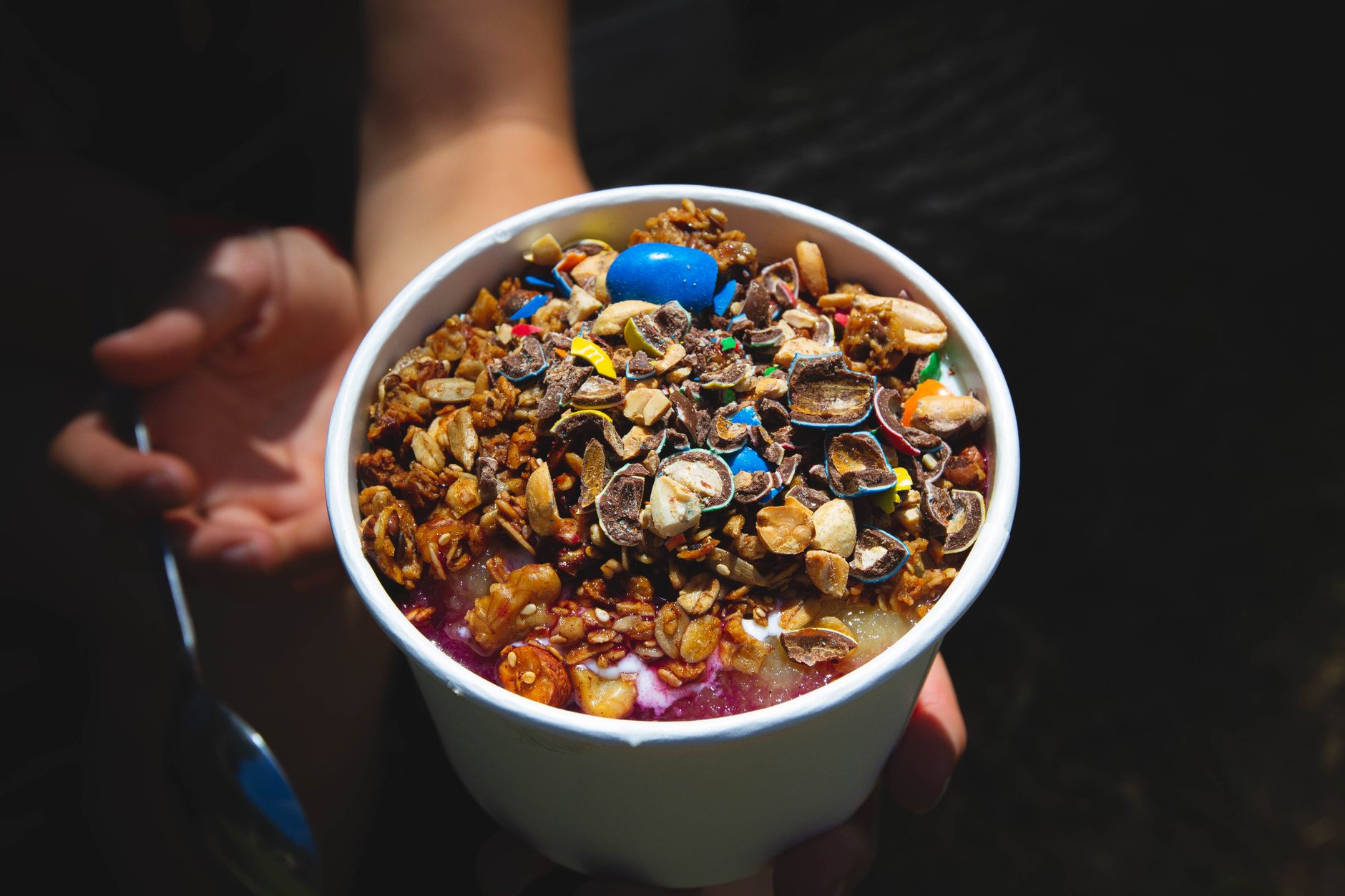
Acai bowls have gained popularity as vibrant, nutrient-rich breakfast options or snacks, typically made from acai berries blended with other fruits and topped with an array of healthy garnishes. The question of whether they are healthy is prevalent, especially among health-conscious eaters.
Understanding the nutritional profile of acai bowls, along with their potential benefits and drawbacks, helps you determine if they align with your dietary goals. Let’s dive into the details to find out if acai bowls can be a healthy addition to your diet.
Is Acai Bowl Healthy?
Acai bowls can be a healthy choice when prepared properly, as they are rich in antioxidants, vitamins, and healthy fats. However, their healthiness largely depends on the ingredients used and portion sizes, which can greatly affect their calorie and sugar content.
What is Acai?
The acai berry, a small, dark purple fruit from the acai palm tree native to Central and South America, is often touted for its high antioxidant content. Acai berries are rich in anthocyanins, which give them their distinctive color and may help combat oxidative stress in the body.
They are often freeze-dried or pureed and frozen for use in smoothies and bowls. Many consider acai a superfood, although it’s vital to remember that they should be enjoyed as part of a balanced diet rather than relied upon solely for health benefits.
Common Ingredients in Acai Bowls
Acai bowls are typically composed of several base ingredients and a variety of toppings. Understanding these components can help you gauge their health value.
Base Ingredients
- Frozen Acai Puree: The primary component, often found in unsweetened forms to minimize added sugars.
- Other Fruits: Common additions include bananas, berries, or mango, providing natural sweetness and additional vitamins.
- Liquid: Coconut water, almond milk, or other plant-based milks are popular choices to blend the mixture.
Toppings
- Granola: Adds crunch but may contain high amounts of sugar and calories, so choose wisely.
- Seeds and Nuts: Chia seeds, flaxseeds, almonds, and walnuts offer healthy fats and protein.
- Fresh Fruits: Extra fruit toppings enhance flavor and nutrient density.
- Nut Butters: Peanut or almond butter provides healthy fats and protein, but watch the portion size.
- Honey or Agave Syrup: Sweetening options, which should be used sparingly to avoid excess sugar.
Health Benefits of Acai Bowls
When prepared with mindful ingredient choices, acai bowls offer several health benefits:
1. High in Antioxidants
Acai berries are particularly high in antioxidants, which help neutralize free radicals in the body. This may contribute to reducing inflammation and boosting overall health.
2. Nutrient-Dense
Acai bowls can be packed with vitamins, minerals, fiber, and healthy fats. The right mix of fruits and toppings enhances their nutritional profile significantly.
3. Heart Health
The healthy fats found in toppings like nuts and seeds can support heart health. Additionally, acai may help lower cholesterol levels, although more research is needed in this area.
4. Energy Boost
The combination of healthy sugars from fruit and fats from nut butters can provide sustained energy, making acai bowls a suitable pre- or post-workout snack.
5. Increase Satiety
High fiber content from the fruits and seeds can promote feelings of fullness, helping to curb overeating.
Potential Drawbacks of Acai Bowls
Despite their benefits, there are drawbacks to be aware of:
1. Added Sugars
Many pre-packaged acai puree products contain added sugars. Always opt for unsweetened versions to keep sugar levels in check.
2. Caloric Density
While the bowls can be nutritious, they can also be high in calories, especially with granola, nut butters, and sweeteners. Portion control is crucial.
3. Nutrient Imbalance
Relying too heavily on acai bowls can lead to a lack of balanced nutrition, especially if they replace more diverse meals.
Making Healthy Acai Bowls at Home
Creating your own acai bowl allows for ingredient control and customization. Here’s a basic guide for crafting a healthy acai bowl:
Ingredients
- 1 packet of frozen unsweetened acai puree
- 1 banana (frozen works well)
- ½ cup of spinach or kale (optional for added nutrients)
- 1 cup of almond milk (or any preferred non-dairy milk)
- Various toppings: granola (moderate amount), fresh fruits, chia seeds, nuts, and a drizzle of honey or nut butter as desired.
Equipment Needed
- Blender
- Bowls for serving
- Spatula (for scraping down the blender)
Instructions
- In a blender, combine the frozen acai puree, banana, spinach (if using), and almond milk.
- Blend until smooth and creamy. If the mixture is too thick, add a little more almond milk, a splash at a time.
- Pour the mixture into a bowl.
- Top with your selected toppings, such as granola, fruits, seeds, and nut butter.
- Enjoy immediately for the best flavor and texture.
Tips for Healthy Acai Bowls
Here are some helpful tips to create the healthiest acai bowl:
- Select unsweetened acai puree to cut unnecessary sugars.
- Load up on fresh fruits and avoid overly processed toppings.
- Use moderate amounts of granola or nut butter to keep calories in check.
- Incorporate greens like spinach or kale for added nutrients without changing the flavor much.
- Consider portioning your toppings to prevent overindulgence.
Acai Bowl Variations
Acai bowls can be versatile and modified to fit various taste preferences and dietary needs:
1. Smoothie Bowl
Similar to an acai bowl but thicker, a smoothie bowl can incorporate other fruits like mango or berries for added sweetness and flavor variations.
2. Protein-Packed Bowl
For an extra protein boost, add plant-based protein powder or Greek yogurt to the blend.
3. Tropical Acai Bowl
Include tropical ingredients such as coconut flakes, pineapple, and passionfruit to create a refreshing flavor profile.
4. Nut-Free Option
If you have nut allergies, replace nut butters with seed butters like sunflower or pumpkin seed butter for healthy fat alternatives.
5. Vegan Acai Bowl
Simply ensure all toppings are plant-based, avoiding honey where needed, or using maple syrup instead.
Frequently Asked Questions
Can acai bowls aid in weight loss?
While acai bowls can be part of a weight loss plan if portion sizes are controlled and balanced with other nutrients, they are not a guaranteed weight loss solution. A healthy diet and active lifestyle are vital for weight management.
What’s the best time to consume an acai bowl?
Acai bowls can be enjoyed at any time of day but are particularly popular as a breakfast option or post-workout snack due to their energy-boosting properties.
Aren’t acai bowls loaded with sugar?
If made with fresh and whole ingredients, acai bowls can be low in sugar. However, packaged acai products or those with excess sweeteners might be high in sugar, so always check labels and opt for homemade versions when possible.
Are acai bowls a complete meal?
Acai bowls can be part of a balanced meal when they’re well-composed with suitable ingredients. To make them more balanced, incorporate protein, fiber, and healthy fats.
Storage and Meal Prep
If you’re making acai bowls for meal prep, consider these tips:
- Assemble the base and toppings separately if planning to eat later in the week. This keeps everything fresh and prevents sogginess.
- Store toppings in sealed containers in the refrigerator for up to five days and blend the base just before consumption.
- Freeze blended acai bowls in containers if preparing large batches, though fresh toppings should be added post-thaw.
Acai bowls can be a vibrant and healthful addition to your meal plan when prepared with healthful ingredients and mindful consideration. The key is understanding the ingredients involved and cultivating a balanced approach to nutrition. Enjoy experimenting with different combinations to find the perfect acai bowl for your personal taste.
For more nutritious recipes, consider trying our chia pudding recipe or a refreshing strawberry acai refresher recipe. Happy cooking!