
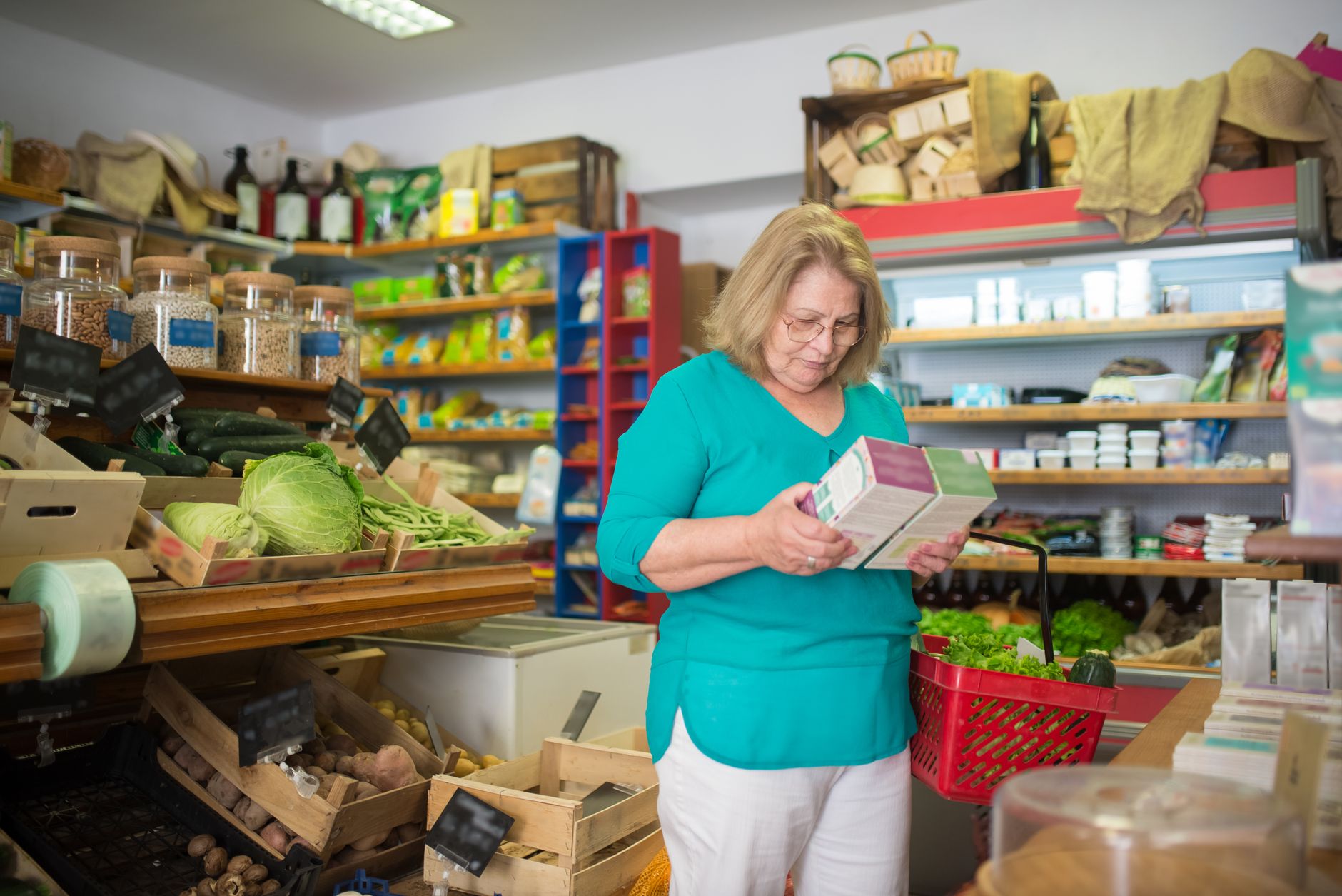
A Senior Box is a specially curated collection of food items designed to meet the dietary needs and preferences of older adults. It provides senior citizens with easy-to-prepare, nutritious meal options. These boxes often cater to specific dietary restrictions, making it simpler for seniors to maintain a healthy lifestyle while enjoying a variety of flavors.
In this article, we will delve into what constitutes a Senior Box, from the ingredients typically included to the culinary uses and overall taste profiles. We will also explore how these meal kits can assist in meal planning and provide practical tips for making the most of a Senior Box.
What Is a Senior Box?
A Senior Box, in the context of meals and ingredients, contains food items tailored for seniors. These items often include low-sodium options, heart-healthy fats, and easy-to-use cooking components, making them accessible for individuals who may struggle with complex recipes or have specific health concerns.
Designed for convenience and health, these boxes address common issues such as digestion, nutritional balance, and ease of preparation. They are often delivered directly to seniors’ homes, ensuring that nutritious meals are just a quick cook away.
Ingredients Commonly Found in Senior Boxes
The ingredients found in a Senior Box can vary widely, but they are typically selected to ensure nutritional adequacy while being easy to prepare. Here are some common components:
- Canned or Frozen Vegetables: Examples include peas, green beans, and carrots. They provide essential vitamins and minerals while being easy to prepare.
- Whole Grains: Items like brown rice, quinoa, and whole-grain pasta are often included for their fiber content, which is important for digestive health.
- Lean Proteins: Options such as canned fish, legumes, or pre-cooked chicken can help seniors maintain muscle mass and overall strength.
- Dairy Alternatives: Low-fat milk, yogurt, or plant-based alternatives provide calcium and vitamin D, benefiting bone health.
- Healthy Fats: Ingredients like olive oil, nuts, or avocados are often featured due to their heart-healthy properties.
- Herbs and Spices: Items such as garlic powder, basil, and rosemary add flavor without relying on salt, which is crucial for managing blood pressure.
Taste Profiles in a Senior Box
Seniors often prefer familiar flavors, so the taste profiles of a Senior Box are typically comforting and easy to digest. Here’s what to expect:
Flavor Combinations
Many Senior Boxes focus on sweet, savory, and mild flavors. Common combinations include:
- Savory Herb Blends: Encompassing herbs like thyme, rosemary, and parsley that enhance the natural flavors of proteins and vegetables.
- Mild Spices: Spices such as cumin or paprika provide warmth without overwhelming the palate.
- Sweet Elements: Ingredients like fruits (fresh, dried, or canned in juice) to add sweetness and natural sugars.
Texture Considerations
Textural variety is also essential. Senior Boxes generally include:
- Soft Foods: Easy-to-chew options like mashed potatoes, soups, or stews
- Crispy Elements: Lightly toasted nuts or whole grain crackers that are still gentle on the teeth.
- Chunky Soups or Stews: Providing a combination of textures that adds interest without requiring extensive chewing.
Culinary Uses of Senior Box Ingredients
The versatility of ingredients in a Senior Box means they can be used in various preparations. Here are some practical culinary uses:
Simple Meal Preparation
Many seniors appreciate simple meals that don’t take long to prepare. Here’s how to use box ingredients effectively:
- Quick Stir-Fries: Combine frozen vegetables with a protein source and stir-fry in olive oil for a nutritious, quick meal.
- Soups and Stews: Throw together canned vegetables, low-sodium broth, and lean protein for a meal that provides warmth and comfort.
- Pasta Dishes: Whole-grain pasta topped with a light sauce made from canned tomatoes and herbs make a filling and health-conscious option.
Incorporating Leftovers
Leftovers can be healthfully repurposed using items available in the Senior Box:
- Salads: Adding leftover proteins or cooked grains to pre-packaged salad mixes creates a full meal.
- Wraps: Utilize whole-grain wraps to enclose leftover meats and vegetables for a convenient lunch option.
Practical Tips for Using a Senior Box
Here are some practical tips to maximize the benefits of your Senior Box:
- Plan Before Cooking: Review all ingredients and plan meals at the beginning of the week to avoid waste.
- Keep It Simple: Stick to straightforward recipes that require minimal ingredients and steps.
- Utilize Leftovers Wisely: Encourage making larger batches to allow for easy meal prep throughout the week.
- Stay Hydrated: Include beverages that promote hydration, especially those low in sugar.
Common Mistakes to Avoid
To ensure the best experience with a Senior Box, avoid the following:
- Overcomplicating Recipes: Keep meals simple and enjoyable; do not try to reinvent the wheel.
- Neglecting Nutrient Balance: Ensure each meal includes a protein, healthy fat, and vegetables.
- Forgetting Seasoning: Don’t shy away from herbs and spices; these add flavor without adding unnecessary salt.
Storage and Reheating Considerations
Storage and reheating are essential for food safety and taste. Here are reliable practices:
Storing Ingredients
Properly storing ingredients helps maintain their freshness:
- Canned and Frozen Foods: Keep in a cool, dry place. Check expiration dates regularly.
- Fresh Produce: Store fruits and vegetables in a way to prevent spoilage, like refrigerating items that require it.
Reheating Tips
When reheating meals, follow these guidelines:
- Use Low Heat: A microwave or stovetop set to low heat helps prevent overcooking.
- Check Temperature: Ensure reheated meals reach at least 165°F to be safe for consumption.
Conclusion
A Senior Box provides a thoughtful approach to nutrition for seniors, combining convenience with essential dietary considerations. With the right ingredients and practical uses, these meal kits can significantly enhance meal planning and cooking fidelity while catering to specific needs.
Take the first step by exploring the different options available and discovering how they can fit into a senior’s lifestyle. To further enhance your culinary journey, consider looking into practical ingredient substitutes for dishes you enjoy or the benefits of incorporating seeds like chia into your meals. For ideas, check out good substitute for rosemary and see the benefits of chia seeds for your daily cooking adventures.