
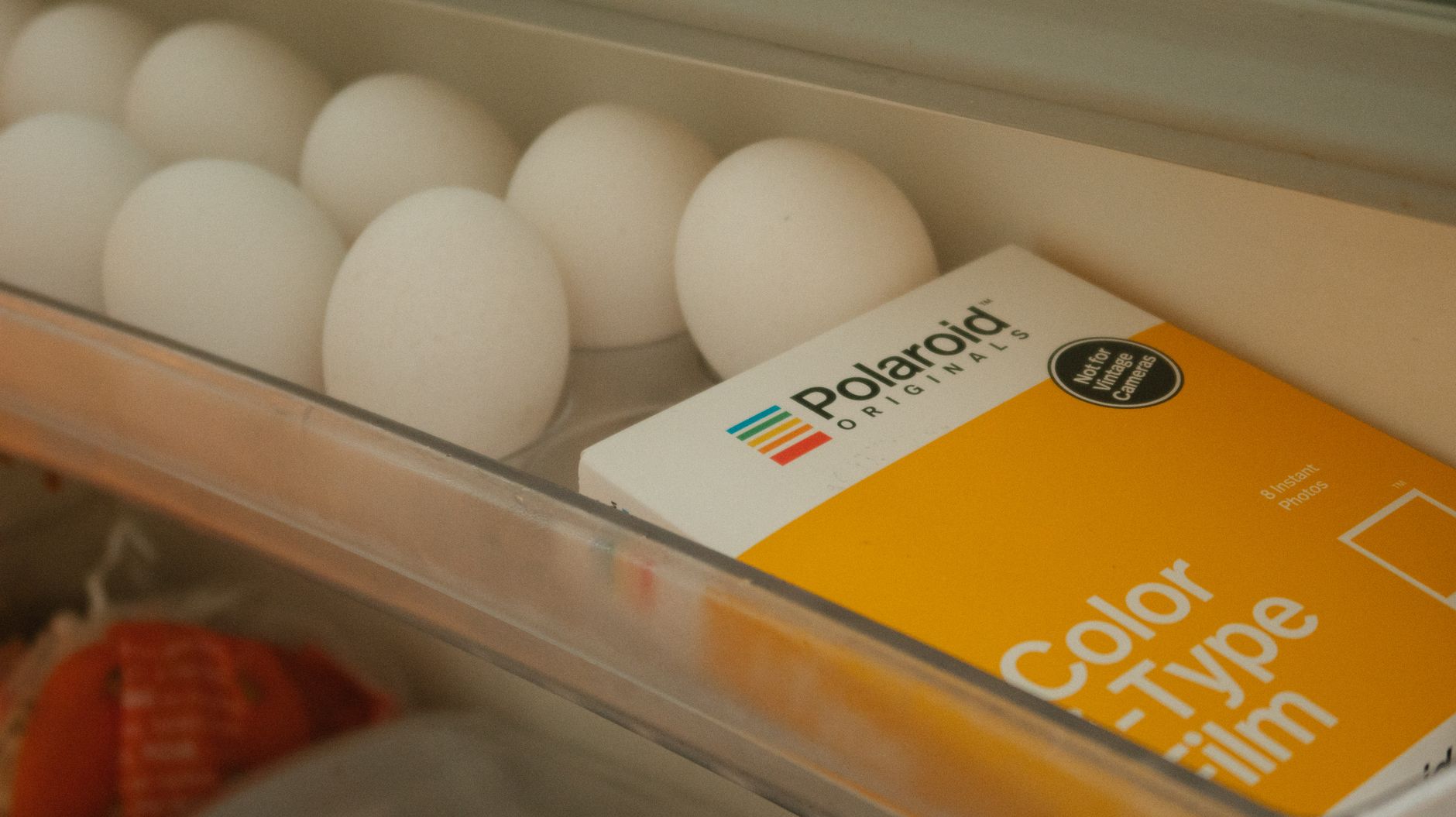
Eggs are a staple ingredient found in countless kitchens, admired for their versatility and nutritional value. However, understanding how to properly store and determine the freshness of eggs is crucial for both safety and quality. In this detailed guide, we’ll explore the optimal duration for storing eggs in the refrigerator, how to spot signs of spoilage, and best practices for egg storage.
Knowledge about egg longevity not only helps in meal planning but also reduces food waste. By knowing how long eggs can stay in the refrigerator, you can enjoy their full flavor and nutritional benefits while ensuring safety in your cooking. Let’s dive in!
How Long Can Eggs Stay in the Refrigerator?
Generally, eggs can be stored in the refrigerator for three to five weeks after you bring them home. This time frame ensures that the eggs maintain their freshness and quality, provided they’ve been kept at a consistent refrigerator temperature of 40°F (4°C) or lower. Proper storage can help you extend their useful life significantly.
Understanding Egg Freshness
Egg freshness decreases over time, but several factors play a role in determining an egg’s quality. Here are important aspects to consider:
- Purchase Date: Always check the purchase date or sell-by date on the carton. While eggs may be good for a while after these dates, they can taste stale, and their texture may deteriorate.
- Storage Conditions: Keeping eggs in their original carton helps protect them from absorbing strong odors and flavors from other foods. The carton also serves to prevent moisture loss.
- Handling: Avoid washing eggs before storing them, as this can remove the protective coating that keeps out bacteria. Instead, wash them just before use if necessary.
Signs of Spoiled Eggs
Knowing how to identify spoilage is crucial. The following signs can indicate that your eggs are no longer safe to eat:
- Odor: If you notice a sulfur-like smell when cracking an egg, it’s best to discard it.
- Appearance: Any discoloration, such as pink or iridescent hues, could suggest bacterial growth. The interior should be free of any unusual textures.
- Float Test: An effective way to check egg freshness is by placing it in water. If the egg sinks and lays flat on the bottom, it’s still fresh. If it stands upright or floats, it’s bad and should be discarded.
Storage Guidelines for Eggs
Following proper storage guidelines can significantly affect the longevity of your eggs. Here’s how to ensure they stay fresh:
1. Keep Eggs in Their Original Carton
The original carton helps protect eggs from absorbing strong odors and also prevents them from losing moisture. Cartons are specially designed to keep eggs safe and fresh.
2. Store Eggs in the Coldest Part of the Refrigerator
Place eggs on a middle or lower shelf rather than the door, where temperatures fluctuate more due to frequent opening. This ensures they maintain a consistent cold environment.
3. Avoid Washing Eggs
As mentioned earlier, washing eggs can remove the protective coating that safeguards them from bacteria. If you must wash an egg, do so just before use.
4. Monitor Refrigerator Temperature
Ensure your refrigerator is at or below 40°F (4°C). A dedicated thermometer can help you monitor the temperature more accurately.
5. Use Eggs Before Their Best By Date
While eggs can last longer, it’s ideal to use them by the date marked on the carton. This often represents a peak in quality.
Cooking with Eggs near the End of Their Shelf Life
As eggs approach the end of their storage life, consider some creative methods to use them up:
- Baking: Older eggs can work well in baked goods like cakes, muffins, and cookies where freshness is less critical.
- Scrambling or Making Omelettes: You can scramble eggs and mix them with vegetables and cheese. It’s another way of using up older eggs before they go bad.
- Egg Salad or Deviled Eggs: Prepare a flavorful egg salad or deviled eggs for a great use of eggs nearing their best by date.
Long-Term Storage Options for Eggs
If you find yourself with an excess of eggs, consider these long-term storage methods:
1. Freezing
Raw eggs can be frozen for later use. Crack the eggs into a bowl, beat them until blended, and pour them into an airtight container. For egg whites and yolks, you can freeze them separately, but do not freeze them in the shell. It’s important to consume frozen eggs within 6 to 12 months for the best quality.
2. Pickling
Hard-boiled eggs can be pickled to extend their shelf life further. By immersing eggs in a vinegar solution, you can create a flavorful snack or ingredient that lasts much longer. Pickled eggs can be refrigerated and enjoyed as a tangy treat for several months.
3. Dehydration
Dehydrating eggs is another option, although it requires specific equipment. Dehydrated eggs can be stored for a long time when sealed in airtight containers. However, this method may alter the texture and taste, making them less suitable for certain recipes.
Common Mistakes to Avoid with Egg Storage
Being cautious is essential in ensuring the safety and longevity of your eggs. Here are common pitfalls to avoid:
- Wrong Place in the Refrigerator: Don’t store eggs on the refrigerator door; instead, use the shelf to allow for consistent temperature.
- Not Checking Dates: Failing to check the sell-by or expiration dates may lead to using spoiled eggs.
- Improper Reheating: Ensure eggs are cooked thoroughly. Undercooked eggs can harbor harmful bacteria.
Health and Safety Considerations
Eggs have a reputation for being a nutritious food option, and they are rich in essential nutrients. However, it’s crucial to handle and cook them safely. Here are some helpful tips:
- Cooking Temperature: Always cook eggs until both the yolk and white are firm to eliminate any risk of salmonella.
- Safe Storage Practices: Keep your refrigerator clean and organized to avoid cross-contamination with other foods.
- Consult Updated Guidelines: Stay informed about food safety practices from reputable sources like the USDA or CDC.
What Happens if You Eat Expired Eggs?
Eating eggs that are past their prime can lead to foodborne illness such as salmonella. Symptoms include nausea, vomiting, fever, and abdominal cramps. Always pay attention to how the eggs look, smell, and feel when you crack them open. If in doubt, it’s better to toss them out.
Fun and Creative Recipes Featuring Eggs
Although there is a focus on storage and safety, eggs are also a delicious ingredient used in many dishes. Here are a few tasty recipes that showcase their versatility:
- Creamy Scrambled Eggs: A simple dish enriched with cream and cheese. Beat eggs with a splash of cream, cook gently in a non-stick pan, and stir in some cheese for a rich breakfast.
- Shakshuka: A North African dish featuring poached eggs in a spicy tomato sauce with bell peppers and onions. It’s a hearty meal packed with flavors.
- Egg Fried Rice: Leftover rice and vegetables come alive with scrambled eggs mixed in for a quick and satisfying meal.
Summary of Best Practices for Egg Storage
To summarize, eggs can typically be stored in the refrigerator for three to five weeks. Always keep them in their original carton, store them on a shelf, and monitor for signs of spoilage. If you find yourself with extra eggs, consider freezing, pickling, or dehydrating them for future use. It’s crucial to handle eggs with care to maximize their quality and ensure safety.
Now that you understand how to store eggs effectively, consider trying some of the delicious recipes featuring eggs. You can explore more about egg storage here or learn how long eggs last after their sell-by date here.