
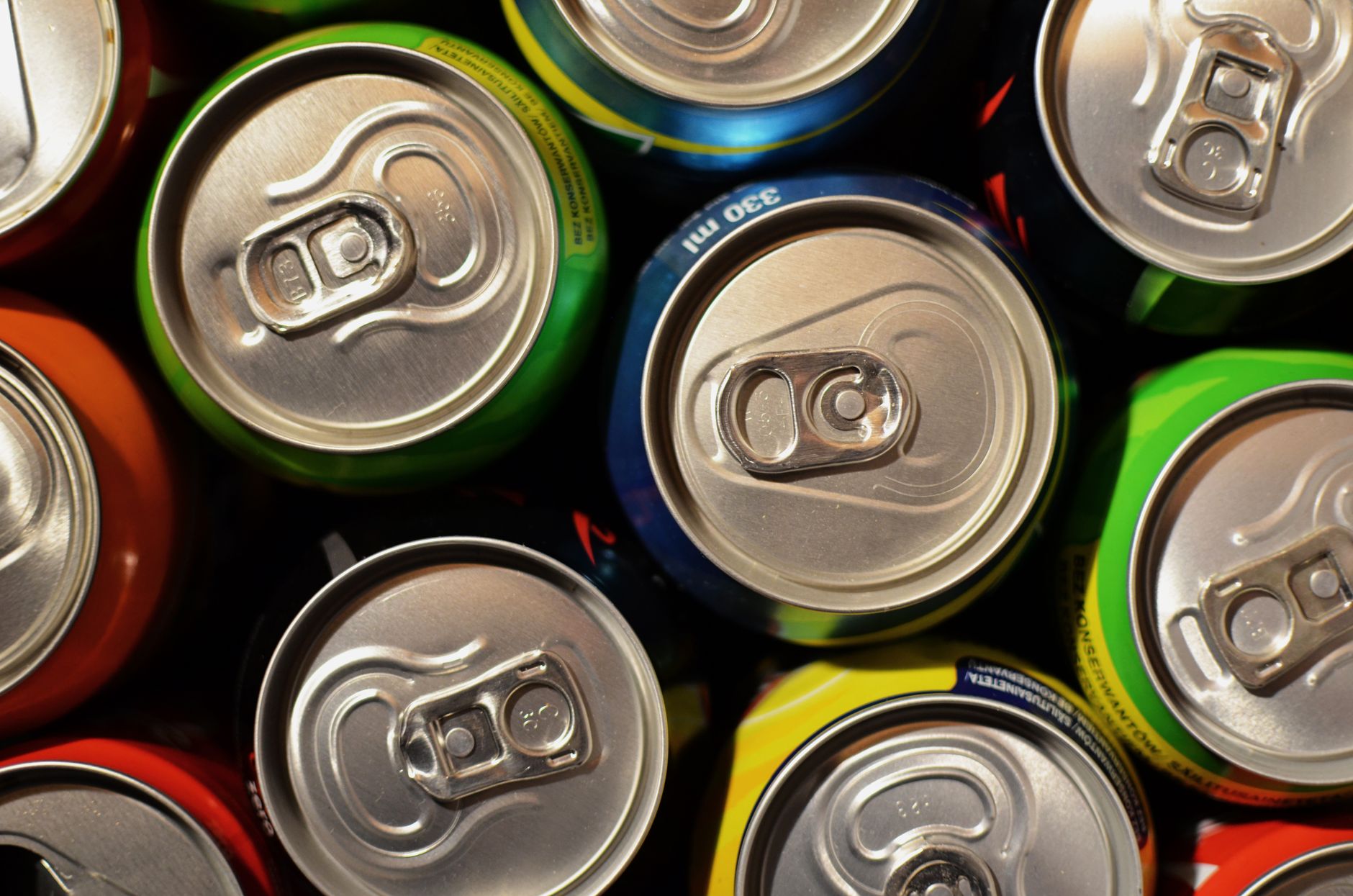
Soda is a popular beverage choice enjoyed worldwide, both for its refreshing taste and its versatility in culinary uses. When considering both casual consumption and its roles in recipes, one question often arises: how much is a can of soda? Understanding soda pricing helps consumers make informed choices while also recognizing its value in recipes.
This article will dive deep into the prices of canned soda, explore various portion sizes, analyze different menu options, and provide insights into how to best incorporate soda into meals and beverages. Whether you’re shopping for your next picnic or planning a soda-themed meal, this guide is for you.
How Much Is a Can of Soda?
The average price of a standard 12-ounce can of soda typically ranges from $0.50 to $1.50 at grocery stores, depending on the brand and location. Prices may vary in convenience stores or vending machines, where a can might cost closer to $1.50 to $2.00. Bulk purchases or multi-packs also provide opportunities for cost savings, allowing consumers to pay as little as $0.40 per can.
Factors Influencing Soda Prices
Several factors can affect the pricing of canned soda:
- Brand: Popular brands often charge more than generic or store brands.
- Location: Prices can vary by region, with urban areas sometimes experiencing higher costs.
- Promotion: Sales and promotions can significantly lower prices. Look for buy-one-get-one-free offers or discounts on multi-packs.
- Economies of scale: Purchasing larger quantities can lower the average cost per can, especially when buying 12-packs or 24-packs.
Understanding Portions and Serving Sizes
When consuming soda, portion size is crucial, especially when considering health impacts or integrating soda into meals. Below are common serving sizes:
- Standard Can: A typical can holds 12 fluid ounces, containing approximately 140 calories and varying sugar content.
- Diet Soda: Many diet sodas have the same volume but fewer or zero calories, depending on artificial sweeteners used.
- Mini Cans: Some brands offer 7.5-ounce mini cans, ideal for those who want a smaller portion.
- Liter Bottles: Grocery stores often sell sodas in larger two-liter bottles, generally providing a greater value per ounce.
While the 12-ounce can is standard, other options like mini cans can help control calorie intake if consumed in moderation.
Soda Prices Across Various Brands
Here’s a breakdown of typical prices for some well-known soda brands in a standard 12-ounce can at grocery stores:
| Brand | Average Price ($) |
|---|---|
| Coca-Cola | 1.00 |
| Pepsi | 1.00 |
| Sprite | 0.85 |
| Dr Pepper | 1.00 |
| Generic Brands | 0.50 |
Soda in Recipes: Unique Uses and Flavor Profiles
Beyond just a refreshing beverage, soda can add flavor and texture to a variety of dishes. Here are a few popular ways to incorporate soda into recipes:
Cooking with Soda
Soda can serve as a flavorful ingredient in marinades, glazes, or batters. For instance, the carbonation in sodas can tenderize meats or create a fluffy batter in baked goods.
Examples of Soda in Cooking:
- Marinades: A mix of cola, soy sauce, garlic, and ginger creates a delicious marinade for grilling meats.
- Glazes: Root beer or ginger ale can be reduced to create sweet and tangy glazes for ribs.
- Baking: Adding soda to cake batter can introduce moisture and lightness.
Popular Soda Menu Options
Restaurants and cafes often offer a variety of soda options. Below are common soda varieties found in establishments:
- Classic Sodas: Include cola, root beer, and lemon-lime sodas.
- Diet Sodas: Provide options with zero calories or sugar for health-conscious customers.
- Sparklers: Flavored sparkling waters, which are popular for those wanting bubbles without sugary additives.
When dining out, prices may vary significantly based on whether sodas are served through self-service fountains or as part of a meal deal.
Cost-Effective Budgeting Tips for Soda
For those looking to incorporate soda without breaking the bank, consider these budgeting tips:
- Buy in Bulk: Purchasing larger quantities can lead to significant savings.
- Look for Store Brands: Many generic brands provide similar taste at a lower price.
- Watch for Promotions: Keep an eye on local grocery store ads for discounts and offers.
DIY Soda: Making Your Own Soft Drinks
If you’re feeling adventurous and looking for customizable flavors, consider creating your own soda. The process is straightforward and can be adjusted to suit your taste preferences:
Ingredients for Homemade Soda:
- Carbonated water
- Flavoring syrups (fruit juices, flavored extracts, or herbs)
- Sweeteners (sugar, honey, or artificial sweeteners)
Simple Steps to Create Soda:
- Start with chilled carbonated water in a glass or pitcher.
- Add flavoring syrup or juice — typically, about 1 to 2 ounces per serving works well.
- Include your sweetener, to taste, and stir gently to mix.
- Serve over ice, if desired, and enjoy your homemade soda experience!
Common Mistakes When Buying and Consuming Soda
While soda is a readily available treat, consumers can make mistakes in both selection and consumption:
- Ignoring Ingredients: Always check labels for sugar content and ingredients, especially if managing dietary restrictions.
- Not Comparing Prices: Shop around; soda prices can vary greatly between stores.
- Oversized Portioning: Pay attention to serving sizes, especially when choosing larger bottles or multi-cans.
Potential Substitutions for Soda
If you need alternatives to soda—whether for a recipe or personal preference—consider these substitutions:
- Sparkling Water: A refreshing alternative without added sugars.
- Fruit Juices: Juices can provide natural sweetness and flavor, though they may require dilution with water.
- Herbal Teas: Chilled herbal teas can offer a unique flavor profile while being low in calories.
Soda Trends and Health Considerations
The soda industry has seen shifts in consumer preferences, moving towards healthier options. Diet sodas and zero-calorie choices have gained traction, leading many companies to expand their offerings. Despite this, health professionals advise moderation due to the high sugar content in standard sodas.
Conclusion
Understanding the cost of soda and its various uses can help consumers make informed decisions while also enhancing their culinary experiences. Whether purchasing from a grocery store or considering it for a recipe, knowing the ins and outs of soda can make a difference. Next time you’re in the beverage aisle or planning a meal, use this guide to navigate your choices effectively.
Be sure to check out related recipes, cooking tips, or food guides. You might find more inspiration in our Wendy’s Frosty Recipe or a refreshing Dirty Dr Pepper Recipe.