
Acid reflux can be an uncomfortable and distressing condition, impacting your overall quality of life. One of the most effective ways to manage it is through dietary choices. Knowing what foods to eat when you have acid reflux not only helps in alleviating symptoms but also promotes a healthier digestive system.
This article will explore the foods that are beneficial for individuals suffering from acid reflux and provide practical tips for meal planning and preparation. By implementing these dietary choices, you can work toward reducing discomfort and enhancing your overall well-being.
What Foods To Eat When You Have Acid Reflux?
When managing acid reflux, focusing on foods that are low in acidity and do not trigger symptoms is vital. This includes various fruits, vegetables, whole grains, lean proteins, and healthy fats that can help keep your digestive system calm. Avoiding certain irritants while incorporating these beneficial foods can lead to significant relief.
Fruits That Are Safe for Acid Reflux
Fruits are a great source of nutrients, and some can help soothe your stomach. Here are some fruits that are generally considered safe for acid reflux:
- Bananas: With their low acidity and high fiber content, bananas can help coat the stomach lining.
- Melons: Cantaloupe and honeydew are alkaline fruits that can aid in keeping acid reflux at bay.
- Apples: The natural pectin in apples can help with digestion, making them a safe choice.
- Pears: Like apples, pears have a low acid content and can be soothing.
- Ripe Berries: Strawberries, blueberries, and raspberries are generally low in acidity when ripe.
Vegetables for Acid Reflux Relief
Vegetables are essential as they provide fiber, vitamins, and minerals. Some vegetables that are safe include:
- Green Leafy Vegetables: Spinach, kale, and collard greens are nutritious and unlikely to cause reflux.
- Broccoli: This cruciferous vegetable is a nutrient powerhouse and typically gentle on the stomach.
- Cucumbers: With a high water content, cucumbers can soothe and hydrate the digestive tract.
- Asparagus: A low-acid vegetable that is also nutrient-dense and beneficial for heartburn.
- Cauliflower: Another healthy vegetable option that can be included in meals without added acidity.
Whole Grains and Carbohydrates
Choosing whole grains can not only help keep you full but also provide dietary fiber, which is essential for digestive health. Here are some excellent options:
- Oatmeal: A warm bowl can be soothing to the stomach and quite filling.
- Brown Rice: A low-acid carbohydrate that is also mild in flavor.
- Quinoa: This protein-rich grain is gluten-free and easy on the stomach.
- Whole Wheat Bread: Choose whole grain options over white bread to get more fiber.
- Pasta: Whole grain pasta can make a filling meal without triggering acid reflux.
Proteins That Are Gentle on the Stomach
Protein sources can vary widely, and it’s important to choose options that are mild. Consider these:
- Lean meats: Skinless chicken, turkey, and fish are great choices that are less likely to cause reflux.
- Eggs: Eggs can be a versatile option; however, avoid frying them in high-fat oils.
- Tofu: A great plant-based protein that is also light on the stomach.
- Legumes: Beans and lentils are nutritious but should be eaten in moderation to avoid gas buildup.
- Dairy: Low-fat yogurts and milk can provide protein but should be consumed carefully if lactose intolerant.
Healthy Fats to Consider
While fats can sometimes trigger reflux, healthy fats are crucial for your overall nutrition. Opt for these:
- Avocado: A source of healthy fat that is generally well-tolerated.
- Olive Oil: Opt for extra virgin olive oil for salad dressings or cooking.
- Nut Butters: Almond or peanut butter can be great for snacks; avoid excess amounts.
- Seeds: Chia seeds and flaxseeds are high in omega-3 fatty acids and can be added to smoothies or oatmeal.
What to Avoid When You Have Acid Reflux
To manage acid reflux effectively, you should also be aware of foods that may exacerbate symptoms and should therefore be avoided:
- Citrus Fruits: Oranges, lemons, and limes are highly acidic and can cause irritation.
- Tomatoes: Whether fresh or in sauces, tomatoes are another common trigger.
- Spicy Foods: Hot pepper or spicy sauces can irritate the esophagus.
- Fried Foods: High in fats and oils, they can worsen reflux symptoms.
- Chocolate: Contains caffeine and other stimulants that may relax the lower esophageal sphincter.
- Mint: While refreshing, mint can relax the sphincter and lead to reflux.
- Carbonated Beverages: Bubbles can create pressure in the stomach, leading to reflux.
- Alcohol: It can irritate the stomach lining and increase acidity.
Meal Planning Tips for Acid Reflux
Effective meal planning can help ensure you have plenty of soothing foods readily available:
- Choose Whole Foods: Prioritize fresh fruits, vegetables, whole grains, and lean proteins over processed foods.
- Portion Control: Eating smaller meals can reduce pressure on the stomach and lessen reflux symptoms.
- Timing of Meals: Avoid eating close to bedtime to minimize nighttime symptoms. Aim for at least two to three hours before lying down.
- Stay Hydrated: Drink plenty of water throughout the day, helping to dilute excess stomach acid.
- Experiment with Preparation: Steaming, boiling, or grilling foods can be less irritating than frying or using heavy sauces.
Sample Menu for Acid Reflux Management
Here’s a sample meal plan to get you started:
| Meal | Food |
|---|---|
| Breakfast | Oatmeal topped with sliced bananas and honey |
| Snack | Low-fat yogurt with berries |
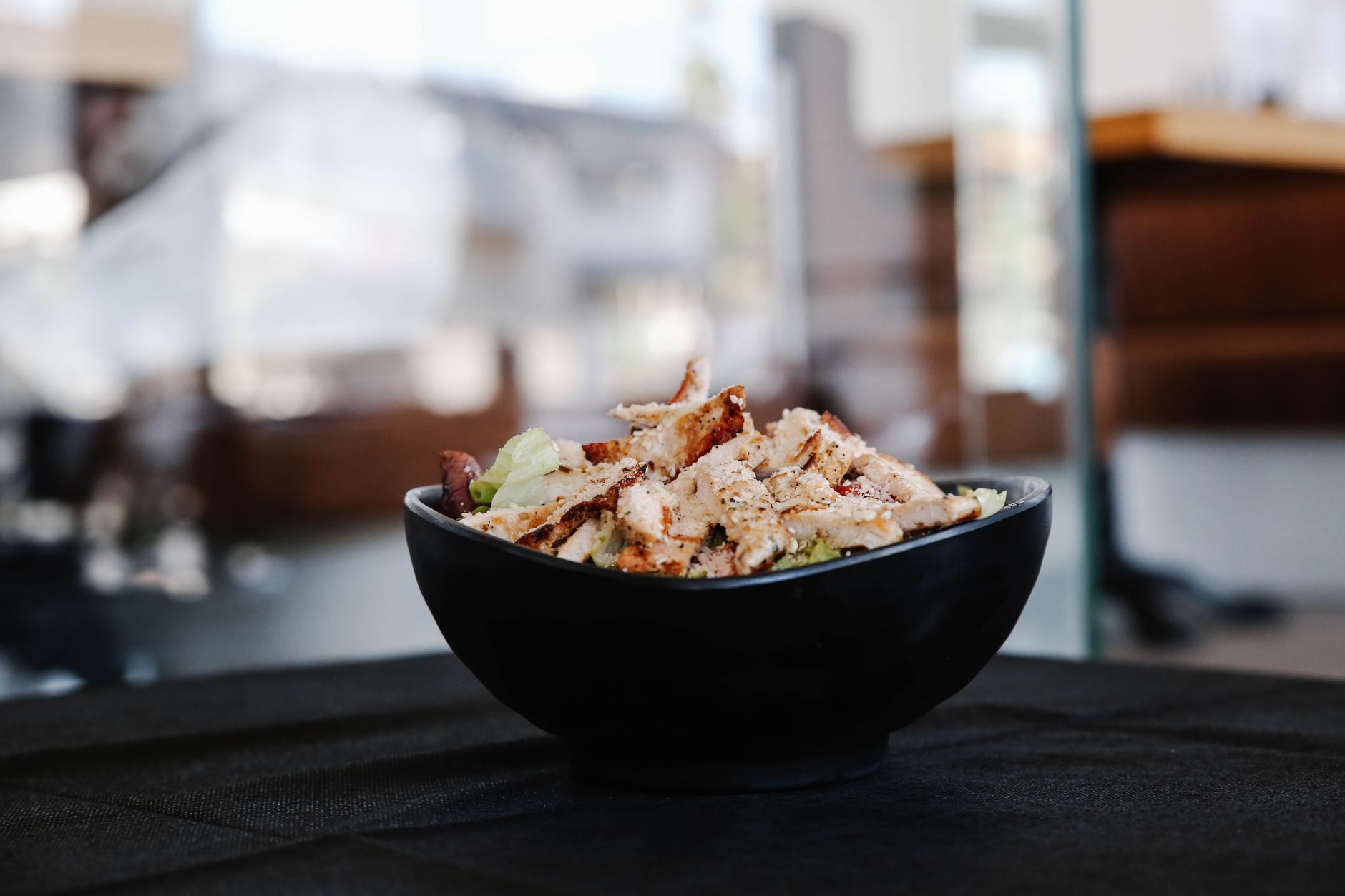
| Lunch | Grilled chicken salad with spinach, cucumbers, and olive oil dressing |
| Snack | Apple slices with almond butter |
| Dinner | Baked fish with quinoa and steamed broccoli |
| Dessert | Pear slices or a small bowl of cantaloupe |
Cooking Techniques for Acid Reflux
In addition to choosing the right foods, employing suitable cooking methods can significantly help reduce acid reflux symptoms:
- Steaming: Steaming keeps vegetables and proteins tender while retaining their nutrients, making them easier to digest.
- Baking: Baking lean proteins and vegetables with herbs and oils can create delicious meals without adding irritants.
- Grilling: Use this method for meats and vegetables to enhance flavor while avoiding heavy, fatty sauces.
- Boiling: Boiled potatoes or whole grains are mild and great for stomachs sensitive to spices.
- Slow Cooking: This method allows for flavors to meld without the need for extra fats or heavy sauces.
Conclusion
Identifying which foods to eat when you have acid reflux can transform your dining experience from discomfort to enjoyment. By focusing on low-acid fruits, vegetables, whole grains, lean proteins, and healthy fats, you can reduce symptoms significantly. Meal planning and incorporating practical cooking methods enables you to maintain a balanced diet while keeping acid reflux at bay.
For further inspiration, explore more ideas and recipes related to healthy practices, such as making chia pudding or experimenting with a unique wilted lettuce recipe. Enjoy your journey to better food choices!