
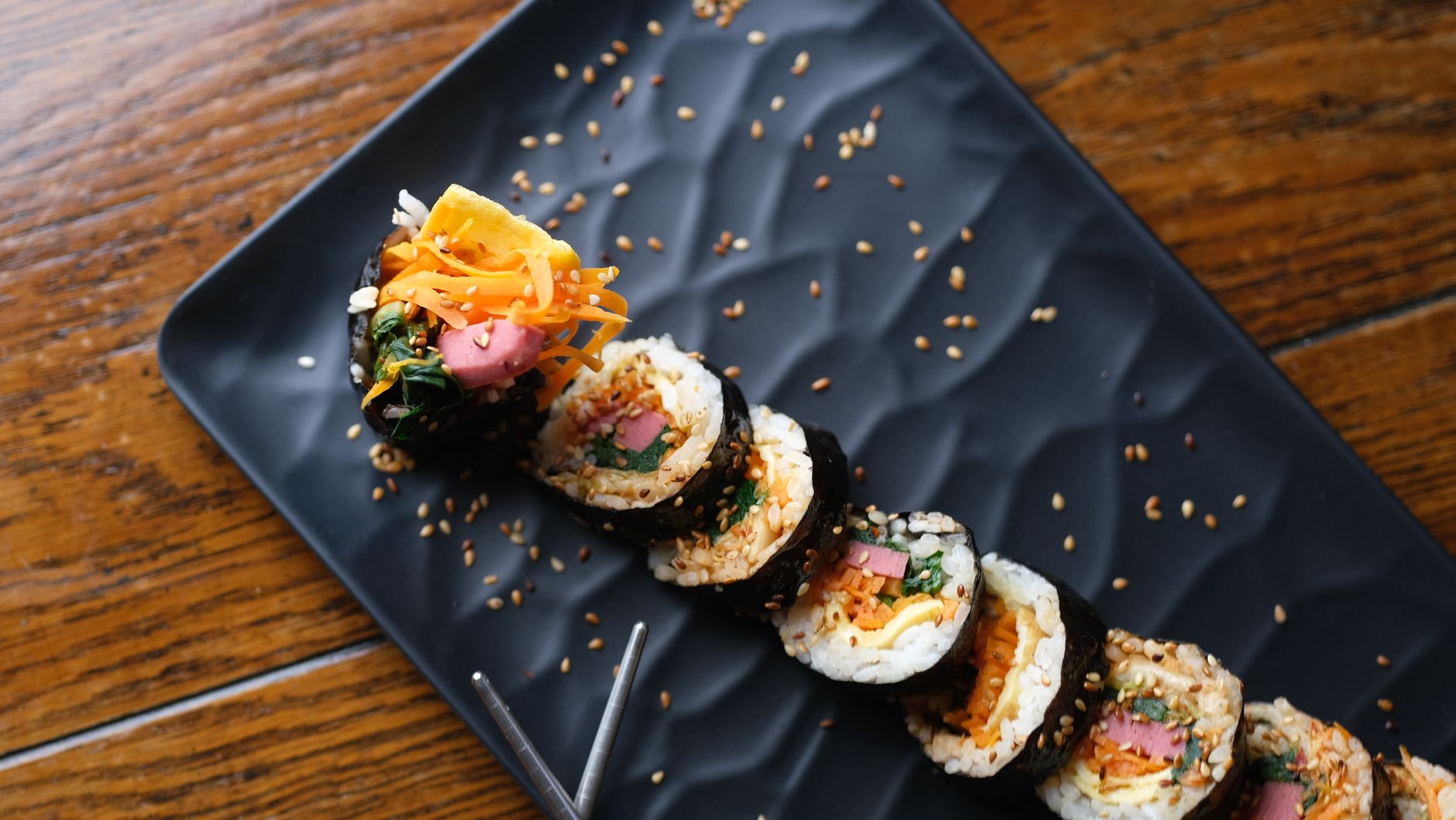
Kimbap, often referred to as Korean sushi, is a delightful dish that has gained worldwide popularity. This savory and visually appealing snack or meal is filled with an array of ingredients rolled in rice and seaweed, making it a culinary favorite for both casual eaters and food enthusiasts.
With its unique flavor profile and versatility, kimbap can be customized to suit individual tastes. Discovering what kimbap is made of opens up a vibrant world of ingredients, textures, and the rich culinary traditions of Korea.
What Is Kimbap Made Of?
Kimbap is primarily made of steamed rice and a variety of fillings, all wrapped in a sheet of seaweed (nori). Common ingredients include vegetables, proteins, and condiments, each contributing to the dish’s distinctive flavor. The variety of fillings allows for endless adaptations, making kimbap suitable for different dietary preferences.
The Base of Kimbap: Rice
The foundation of kimbap is steamed rice, which is typically seasoned with sesame oil and salt. This flavoring adds a nutty aroma and helps to bind the grains together. The rice should be sticky enough to hold the fillings while being firm enough to avoid falling apart.
Choosing the Right Rice
- Short-grain rice: The most commonly used rice in kimbap, it provides the desired sticky texture.
- Brown rice: A healthier alternative that adds a nuttier flavor and more nutrients.
- White rice: A milder choice that can work if prepared correctly.
Seaweed: The Wrapper
Kimbap is wrapped in nori, a seaweed sheet that holds the rice and fillings together. Nori should be roasted, which adds a slightly crisp texture and an umami flavor.
Types of Nori
- Roasted nori: The most common type used, ideal for kimbap.
- Seasoned nori: May come pre-seasoned with salt and oil for added flavor.
- Raw nori: This is less common and should not be used directly, as it won’t have the same flavor or texture.
The Fillings: A World of Flavor
The fillings in kimbap are what truly define its taste. Traditional kimbap includes a variety of ingredients, and they can be adjusted based on personal preferences or dietary restrictions. Here is a rundown of popular kimbap fillings:
Vegetables
- Carrots: Usually julienned and sautéed to enhance sweetness.
- Cucumber: Adds a refreshing crunch, cut into thin strips.
- Spinach: Often blanched, seasoned with salt, and sesame oil to brighten the flavor.
- Radish: Typically pickled, providing a tangy contrast to the other ingredients.
- Egg: Scrambled and sliced into thin strips, it contributes richness and protein.
Proteins
- Crab sticks: Imitation crab is a popular filling, offering mild seafood flavor.
- Korean beef (bulgogi): Marinated and grilled, this meat option imparts a savory, sweet touch.
- Chicken: Cooked and seasoned chicken can be a hearty option.
- Tuna: Usually mixed with mayonnaise for a creamy texture.
- Tofu: A vegetarian alternative, can be grilled or fried for texture.
Condiments and Seasonings
The seasoning of kimbap enhances its flavor profile significantly. Common additions include:
- Sesame oil: Used to season the rice and add nuttiness.
- Salt: Essential for balancing flavors.
- Soy sauce: Sometimes drizzled over the filling or served as a dipping sauce.
- Spicy mayonnaise: A modern twist, adding creaminess with a kick.
Making Kimbap at Home
Creating kimbap at home can be a fun and rewarding experience. The process is straightforward and understanding the key techniques can help yield delicious results.
Equipment Needed
- Rice cooker or pot for cooking rice
- Large cutting board
- Sharp knife for cutting filling
- Bamboo sushi mat (makisu) for rolling
- Plastic wrap (optional) for better rolling
Steps to Roll Kimbap
- Prepare the rice by washing and soaking it for about 30 minutes, then cook using a rice cooker or stove. Season with sesame oil and salt once done.
- Prepare your fillings – slice your vegetables and protein into thin strips.
- Place a sheet of nori on the bamboo mat, shiny side down.
- Spread a thin layer of rice over the nori, leaving about an inch at the top free of rice.
- Arrange your fillings horizontally across the rice.
- Start rolling the bamboo mat away from you, applying gentle pressure to maintain tightness. Roll until you reach the edge of the nori.
- Seal the edge of the nori with a bit of water.
- Use a sharp knife to slice the roll into bite-sized pieces, wiping the blade after each cut for clean slices.
Variations of Kimbap
While traditional kimbap has a set list of ingredients, modern twists include various adaptations. Some variations include:
Vegetarian Kimbap
This version uses only vegetables and tofu, making it suitable for vegans and vegetarians. Fillings might include avocado, pickled vegetables, or other seasonal produce.
Protein-packed Kimbap
For additional protein, consider adding grilled chicken, beef bulgogi, or even shrimp to the traditional mix.
Fusion Kimbap
Incorporating non-Korean ingredients can create exciting new flavors – think spicy tuna, cheddar cheese, or even teriyaki chicken.
Common Mistakes to Avoid
Starting with kimbap can present challenges. It’s helpful to be aware of common pitfalls to achieve the best results.
- Rice consistency: Ensuring your rice is sticky yet not mushy is a key to good kimbap.
- Too many fillings: Overstuffing can lead to tearing. Less is often more for easier rolling.
- Not sealing properly: Ensuring a tight seal keeps everything contained; dampening the edge of the nori can help.
Serving and Storage of Kimbap
Kimbap is best enjoyed fresh, but proper storage can help maintain its quality. Here are some tips for serving and storing:
Serving Suggestions
Kimbap is traditionally served cold or at room temperature. It can be accompanied by a variety of dipping sauces, such as:
- Spicy gochujang sauce
- Soy sauce mixed with sesame oil
Storage Guidelines
To store kimbap, follow these best practices:
- Wrap the kimbap in plastic wrap or place in an airtight container to prevent drying out.
- Avoid storing kimbap with moist fillings, as they can cause the nori to become soggy.
- Consume within 1-2 days for best flavor and texture.
Nutritional Aspects of Kimbap
Understanding the nutritional content can help in meal planning. Kimbap can be a well-rounded dish, offering a good balance of carbohydrates, protein, and vegetables. The addition of meats or tofu boosts the protein content, while various vegetables increase vitamins and minerals.
For those managing dietary restrictions, kimbap can cater to gluten-free or low-carb diets using specific ingredients, like brown rice or vegetables in place of rice. Planning your kimbap fillings can tailor it to fit almost any dietary need.
Final Thoughts on Kimbap
Kimbap represents a rich aspect of Korean cuisine that is both versatile and accommodating. With a thorough understanding of its components—from rice to fillings—creating kimbap at home becomes an accessible and rewarding endeavor.
Whether you choose to follow traditional recipes or give it your individual spin, the delightful combinations you can create make kimbap a delightful option for lunches, snacks, or picnics. Give it a try today, and enjoy this unique and flavorful food experience!
For more insight into diverse recipes and cooking tips, explore guides on meal planning or various Asian cuisines that can complement your kimbap spread.