
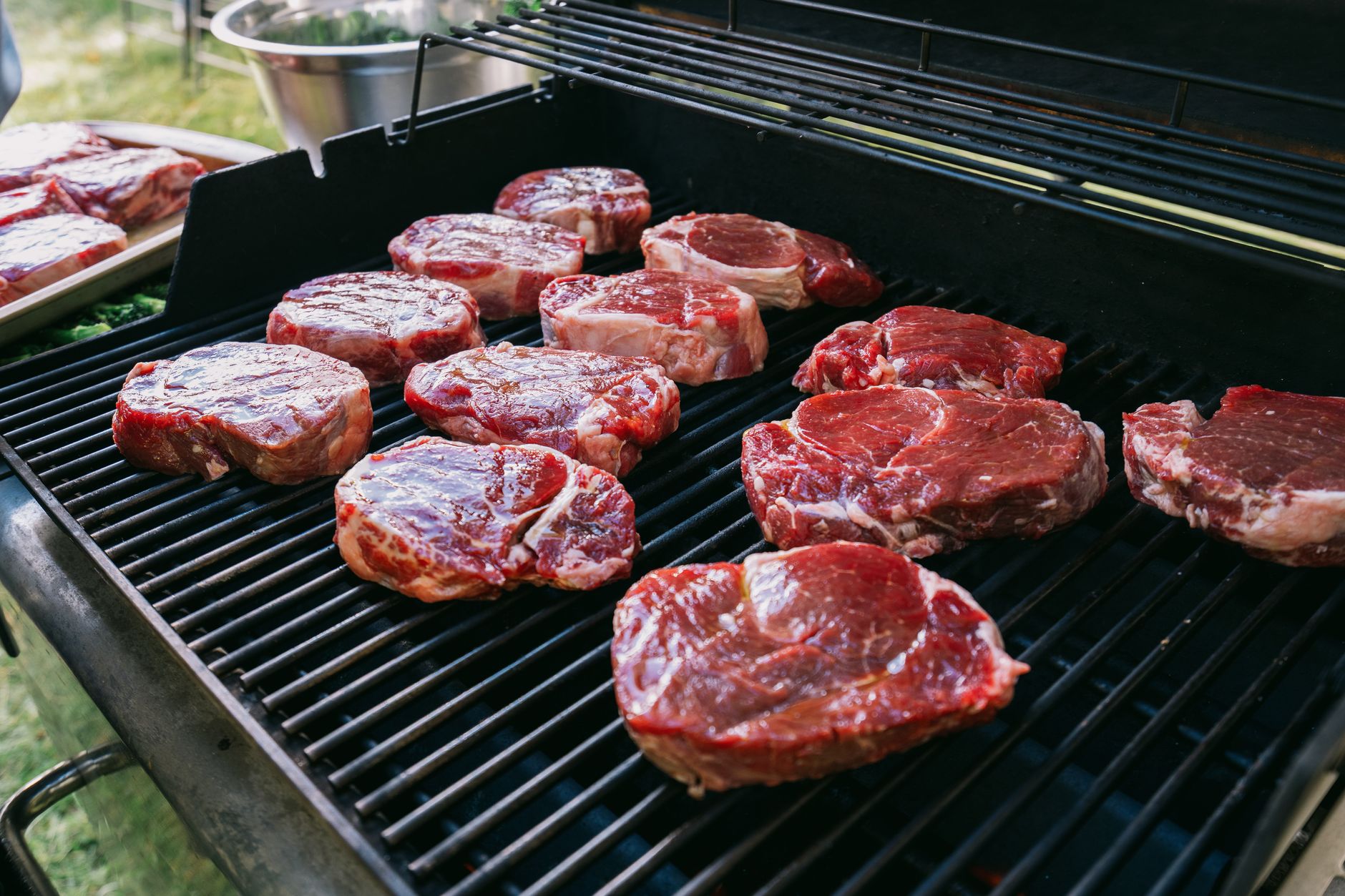
Choosing the right size prime rib for six people ensures that everyone at your gathering is satisfied with a delicious and hearty meal. This cut of meat is renowned for its tenderness, rich flavor, and impressive presentation, making it a popular choice for special occasions. Understanding how much prime rib to buy will help you avoid waste while ensuring that each guest enjoys a generous portion.
In this guide, we’ll explore the ideal size of prime rib to serve six adults, serving sizes, preparation tips, cooking techniques, and how to get the most from your prime rib. Let’s make sure your next roast is a memorable centerpiece for your dining table!
What Size Prime Rib for 6 People?
For serving six people, a prime rib roast weighing between 3 to 4 pounds is recommended. This typically provides around 1/2 to 2/3 of a pound of meat per person once cooked, factoring in the shrinkage that occurs during cooking. This size allows you to offer your guests generous slices without excessive leftovers.
Understanding Prime Rib Portions
When preparing prime rib, it’s essential to consider not only the total weight of the roast but also portion sizes. The recommended portion size for prime rib is approximately:
- Bone-in prime rib: 1/2 to 2/3 pound per person.
- Boneless prime rib: 1/3 to 1/2 pound per person.
Bone-in cuts tend to yield less meat than boneless cuts due to the weight of the bones, so plan according to your chosen cut. If you’re expecting hearty appetites or want to guarantee leftovers, you may wish to lean towards the higher end of these portion sizes.
Calculating Total Roast Size
To sum it up, here’s a general guideline for how much prime rib you will need:
- For 6 adults, aim for a 3 to 4-pound boneless prime rib roast.
- For 6 adults, a 4 to 5-pound bone-in prime rib roast will work well.
Choosing the Right Cut of Prime Rib
Prime rib is available in two main varieties: bone-in and boneless. Each cut has its advantages and cooking considerations.
Bone-in Prime Rib
Bone-in prime rib, often referred to as standing rib roast, retains more moisture during cooking due to the bones. They can add a robust flavor to the meat and contribute to the presentation. The bones can also offer support during cooking, making it an attractive option for serving.
Boneless Prime Rib
Boneless prime rib offers more easy serving and portion control, as removing the bones means less fuss when cutting. This cut is often slightly less expensive than bone-in cuts, making it suitable for budgets as well.
Buying Your Prime Rib
When you’re shopping for prime rib, here are some tips to ensure you choose the best cut:
- Visit a reputable butcher or grocery store with good meat practices.
- Look for marbling, which are flecks of fat within the muscle that contribute to tenderness and flavor.
- Choose USDA Prime or Choice grades for the best flavor and tenderness.
- Consider how you want to cook it; ask your butcher for advice on cooking methods based on the cut.
Preparation and Seasoning
Once you have your prime rib, preparation is essential for maximizing flavor and tenderness. Here are some steps to follow:
Seasoning Your Prime Rib
A simple seasoning of salt and pepper can go a long way, but you can enhance the flavor by using a prime rib rub. A basic rub may include:
- 2 tablespoons kosher salt.
- 1 tablespoon freshly ground black pepper.
- 1 tablespoon garlic powder.
- 1 tablespoon rosemary or thyme (fresh or dried).
Coat the entire surface of the prime rib with the rub, ensuring every crevice is well-covered. For increased flavor, allow the seasoned roast to sit in the refrigerator for 24 hours before cooking. This dry brining method allows the salt to penetrate the meat more effectively.
Cooking Techniques for Prime Rib
There are various cooking methods to prepare prime rib, but three common techniques include roasting, sous vide, and slow cooking. Each method has unique benefits and requires careful attention to temperature and timing.
Roasting Prime Rib
The most traditional method for preparing prime rib is roasting. Here’s how to do it:
Equipment Needed
- Roasting pan with rack.
- Meat thermometer (preferably digital).
- Aluminum foil.
Roasting Instructions
- Preheat your oven to 450°F (232°C).
- Place the seasoned prime rib on the rack in the roasting pan with the fatty side facing up.
- Roast at 450°F for 15 minutes to develop a nice crust.
- Reduce the oven temperature to 325°F (163°C) and continue roasting until the internal temperature reaches your desired doneness:
- Rare: 120°F to 125°F (49°C to 52°C).
- Medium-rare: 130°F to 135°F (54°C to 57°C).
- Medium: 140°F to 145°F (60°C to 63°C).
- Medium-well: 150°F to 155°F (65°C to 68°C).
- Well-done: 160°F (71°C) and above.
- Let the prime rib rest for at least 20 minutes before slicing, as this allows the juices to redistribute throughout the meat.
- Slice and serve with your favorite sides!
Sous Vide Prime Rib
Sous vide is a cooking method that uses precision temperature control to ensure perfect doneness throughout the roast. Here are the steps to sous vide a prime rib:
Instructions for Sous Vide
- Season the prime rib with your rub and vacuum seal the meat in a sous vide bag.
- Set your sous vide cooker to your desired temperature:
- Rare: 125°F (52°C).
- Medium-rare: 135°F (57°C).
- Medium: 145°F (63°C).
- Cook for 6 to 8 hours in the water bath.
- Once finished, remove the roast from the bag and pat it dry with paper towels.
- Quickly sear the prime rib in a hot skillet or under a broiler for 1-2 minutes per side to create a crust.
- Rest for 20 minutes before slicing and serving.
Slow Cooking Prime Rib
While prime rib is most often roasted, it can also be cooked in a slow cooker for more tender results. This method is particularly useful for boneless cuts:
Slow Cooking Instructions
- Prepare the prime rib with your seasoning rub.
- Place the meat in the slow cooker and insert a meat thermometer if possible.
- Add a cup of beef broth for moisture.
- Cook on low for 6 to 8 hours or until the desired doneness.
- Sear the meat in a hot skillet afterward for color and flavor.
Common Mistakes When Cooking Prime Rib
Even with the best intentions, mistakes can occur. Here are some common pitfalls and how to avoid them:
- Not letting the meat come to room temperature before roasting. This ensures more even cooking.
- Cooking at too high a temperature initially can lead to an overcooked outside and undercooked inside.
- Skipping the resting period before slicing. Cutting too soon leads to dry meat as the juices run out.
- Not using a meat thermometer to check doneness. Always use a reliable thermometer to prevent guessing.
Side Dishes To Serve with Prime Rib
Pairing prime rib with the right sides can elevate your dining experience. Here are some classic suggestions:
- Garlic mashed potatoes or creamy scalloped potatoes.
- Roasted vegetables, such as carrots, Brussels sprouts, or asparagus.
- Fresh salads with mixed greens, tart dressings, and nuts.
- Yorkshire pudding, a classic accompaniment that complements the roast’s flavors.
- Au jus or horseradish sauce for added flavor and moisture.
Storing and Reheating Leftovers
If you find yourself with leftover prime rib, proper storage and reheating are essential to maintaining flavor and texture:
Storage Tips
- Allow the prime rib to cool before wrapping it tightly in aluminum foil or placing it in an airtight container.
- Store in the refrigerator for up to 3 days or freeze for up to 3 months.
Reheating Instructions
The best way to reheat prime rib is gently to avoid drying it out:
- Slice the prime rib into even portions.
- Place the slices in a baking dish, and add a splash of beef broth or au jus to keep them moist.
- Cover tightly with aluminum foil and reheat in a preheated oven at 300°F (149°C) for 10-15 minutes, checking until warmed through.
Final Thoughts on Serving Prime Rib for 6 People
To ensure that your prime rib dinner for six is a success, remember to select an appropriate size roast, season it well, and use an accurate cooking method. Balance your meal with delightful sides, and take time to store and reheat leftovers properly. With these tips, you can serve an impressive prime rib that will have your guests coming back for more.
Next time you’re planning a special dinner, consider using our boneless prime rib recipe or enhancing your roast with our prime rib rub recipe. Explore these helpful guides for a memorable main course experience.