
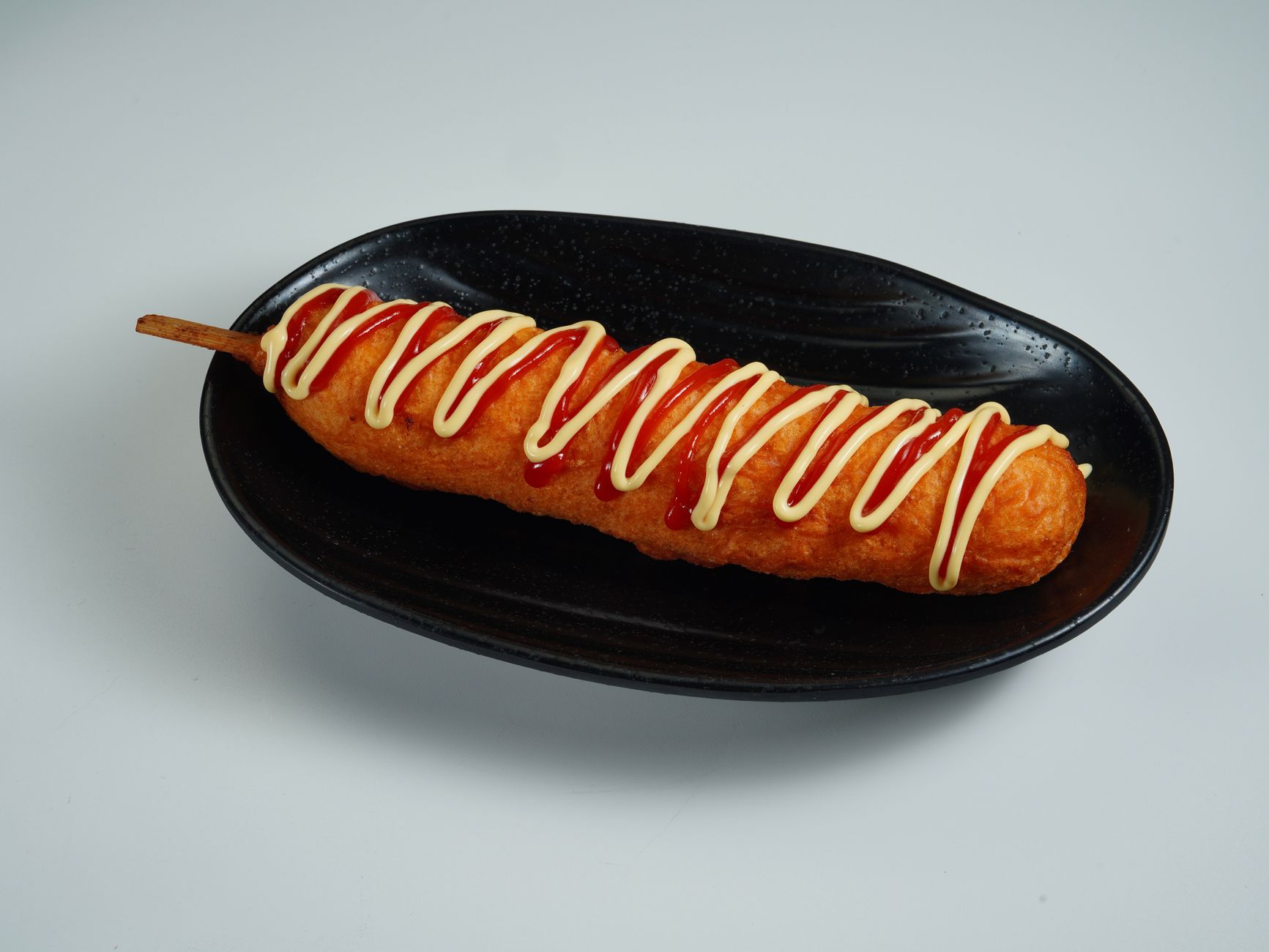
Corndogs are a beloved snack food, especially popular at fairs and carnivals, and adored for their unique combination of flavors and textures. This iconic treat features a savory hot dog encased in a thick cornmeal batter, deep-fried until golden and crispy, making it easily handheld and perfect for on-the-go eating.
Understanding what a corndog is involves exploring its basic ingredients, flavor profile, preparation methods, and ideal serving suggestions. Whether you’re planning to make them at home or simply curious about this classic fair food, this guide will cover everything you need to know.
What Is a Corndog?
A corndog is essentially a hot dog that has been dipped in a batter made primarily from cornmeal, then deep-fried to create a crispy exterior. The origins of this popular snack are believed to trace back to fairs in the United States, dating back to the 1940s. The corndog is versatile and can be served with various condiments, enhancing its flavor while providing a fun and casual dining experience.
Key Ingredients of a Corndog
To make delicious corndogs, you’ll need a few key ingredients that work together to create their signature flavor and texture. Below is a detailed breakdown of these ingredients:
- Hot Dogs: The foundation of the corndog. You can use beef, pork, turkey, or vegetarian hot dogs depending on your preference.
- Cornmeal: This essential ingredient gives the batter its characteristic sweetness and texture.
- All-Purpose Flour: Used to help create a sturdy batter that adheres to the hot dog. It provides structure.
- Baking Powder: Helps the batter rise slightly, giving the corndogs a lighter texture.
- Milk or Buttermilk: Adds moisture to the batter and can enhance the flavor slightly. Buttermilk provides a tangy twist.
- Egg: Acts as a binder, giving the batter a richer flavor and improving its cohesiveness.
- Salt and Sugar: Seasonings that balance the flavors; sugar contributes to browning during frying.
- Oil: A neutral oil is required for deep frying, such as vegetable or canola oil.
Flavor Profile and Texture
The flavor of a corndog is a delightful combination of savory and sweet, thanks to the hot dog and cornmeal batter. The batter adds a slightly sweet, corny note that nicely complements the saltiness of the hot dog. When cooked, the batter becomes crispy and golden on the outside, while the inside remains soft and moist. This contrast in texture makes corndogs enjoyable to eat.
Serving a corndog with various condiments, such as mustard, ketchup, or even relish, can add layers of flavor and further enhance the overall experience. Some people even enjoy eating corndogs with toppings like onions or jalapeños, giving a twist to this classic dish.
How to Serve Corndogs
Corndogs are traditionally served with a side of condiments for dipping, making them perfect for casual gatherings or as a quick snack. Here are some popular choices:
- Ketchup: A classic pairing that adds a sweet acidity.
- Mustard: Provides a tangy contrast, particularly yellow mustard.
- Relish: Adds sweet and tart notes for those who enjoy a bit of crunch.
- Hot Sauce: For those who like a spicy kick with their corndogs.
- Creamy Dips: Ranch or cheese sauce can offer a richer flavor experience.
Yield, Preparation Time, and Cooking Time
When preparing corndogs at home, here’s what you can expect:
- Yield: About 8 to 10 corndogs, depending on the size of the hot dogs and the amount of batter used.
- Preparation Time: 15-20 minutes to prepare the batter and arrange the hot dogs.
- Cooking Time: 3-5 minutes for frying each batch until golden brown.
- Total Time: Approximately 30 minutes.
Essential Equipment for Making Corndogs
To create delicious corndogs at home, you’ll need the following equipment:
- Deep Fryer or Large Pot: For frying the corndogs. A deep fryer is ideal for maintaining consistent temperature, but a large pot will work as well.
- Long Skewers or Sticks: Wooden or metal sticks are necessary for holding the corndogs while frying.
- Mixing Bowls: For preparing the batter and hot dog assembly.
- Whisk or Spoon: To mix the batter thoroughly.
- Slotted Spoon or Tongs: For safely removing corndogs from hot oil.
- Cooking Thermometer: To ensure the oil reaches the right temperature (around 350°F/175°C).
Step-by-Step Guide to Making Corndogs
Ready to whip up some corndogs? Follow this easy step-by-step guide:
- Prepare the Hot Dogs: Slide wooden skewers or sticks into each hot dog, leaving enough exposed for easy handling.
- Make the Batter: In a mixing bowl, combine 1 cup of cornmeal, 1 cup of all-purpose flour, 3 1/2 teaspoons of baking powder, 1/4 cup of sugar, and 1 teaspoon of salt. Whisk to combine.
- Add Wet Ingredients: In another bowl, whisk together 1 cup of milk (or buttermilk) and 1 egg until well combined. Gradually add this mixture to the dry ingredients, mixing until smooth.
- Heat Oil: In a deep fryer or a heavy pot, heat oil until it reaches 350°F/175°C. Ensure there’s enough oil to fully submerge the corndogs.
- Dip the Hot Dogs: Holding a hot dog by the stick, dip it into the batter, ensuring it is completely coated. Lift it out and allow excess batter to drip off.
- Fry the Corndogs: Carefully lower the battered hot dog into the hot oil. Fry until golden brown, about 3-5 minutes, turning occasionally for even cooking.
- Drain and Cool: Use a slotted spoon or tongs to remove the corndog from the oil, allowing excess oil to drain. Place on a paper towel-lined plate to cool slightly.
- Serve: Once slightly cooled, serve immediately with condiments of your choice.
Substitutions and Variations
If you’re interested in making variations or substituting ingredients in your corndogs, consider the following suggestions:
- Gluten-Free Version: Use a gluten-free all-purpose flour blend instead of regular flour to accommodate dietary preferences.
- Vegan Corndogs: Substitute the hot dogs with vegetarian or vegan options, and replace milk and egg with plant-based milk and a flax egg (1 tablespoon flaxseed meal with 2.5 tablespoons water).
- Flavored Batter: Add spices such as garlic powder, chili powder, or smoked paprika to the batter for additional flavor.
- Cheese-Stuffed Corndogs: Place a string cheese inside the hot dog for a melty surprise.
Common Mistakes and Troubleshooting
When preparing corndogs, keep in mind these common mistakes and their solutions:
- Batter Sliding Off: If the batter isn’t sticking to the hot dog, ensure it’s dry and free of moisture before dipping. Also, ensure the batter is thick enough.
- Oily Corndogs: If the corndogs are greasy, your oil may not be hot enough. Ensure it reaches and maintains the proper temperature.
- Raw Interior: If the exterior is brown while the inside stays uncooked, adjust the frying temperature and cook slightly longer while monitoring closely.
Storage and Reheating Guidance
Leftover corndogs can be stored safely as follows:
- Storage: Store cooled corndogs in an airtight container in the refrigerator for up to 3 days.
- Freezing: You can freeze corndogs before frying. Once set, place them in a freezer-safe bag and consume within 2 months.
- Reheating: Reheat leftover corndogs in a preheated oven at 350°F (175°C) for about 10-15 minutes or in an air fryer for 5-7 minutes until warmed through and crispy.
Conclusion
Corndogs are a deliciously simple snack that can be customized in various ways to suit every palate. Whether you’re making them from scratch at home or enjoying them at a fair, the combination of crispy batter and savory hot dog ensures they remain a favorite among snack lovers. By understanding the ingredients, preparation methods, and serving suggestions, you can enjoy this classic dish in a way that caters to your tastes and dietary needs.
For more fun kitchen ideas, check out our tasty corn nuggets recipe or explore our creative mummy dogs recipe. Each offers unique twists on classic carnival foods, perfect for your next gathering!