
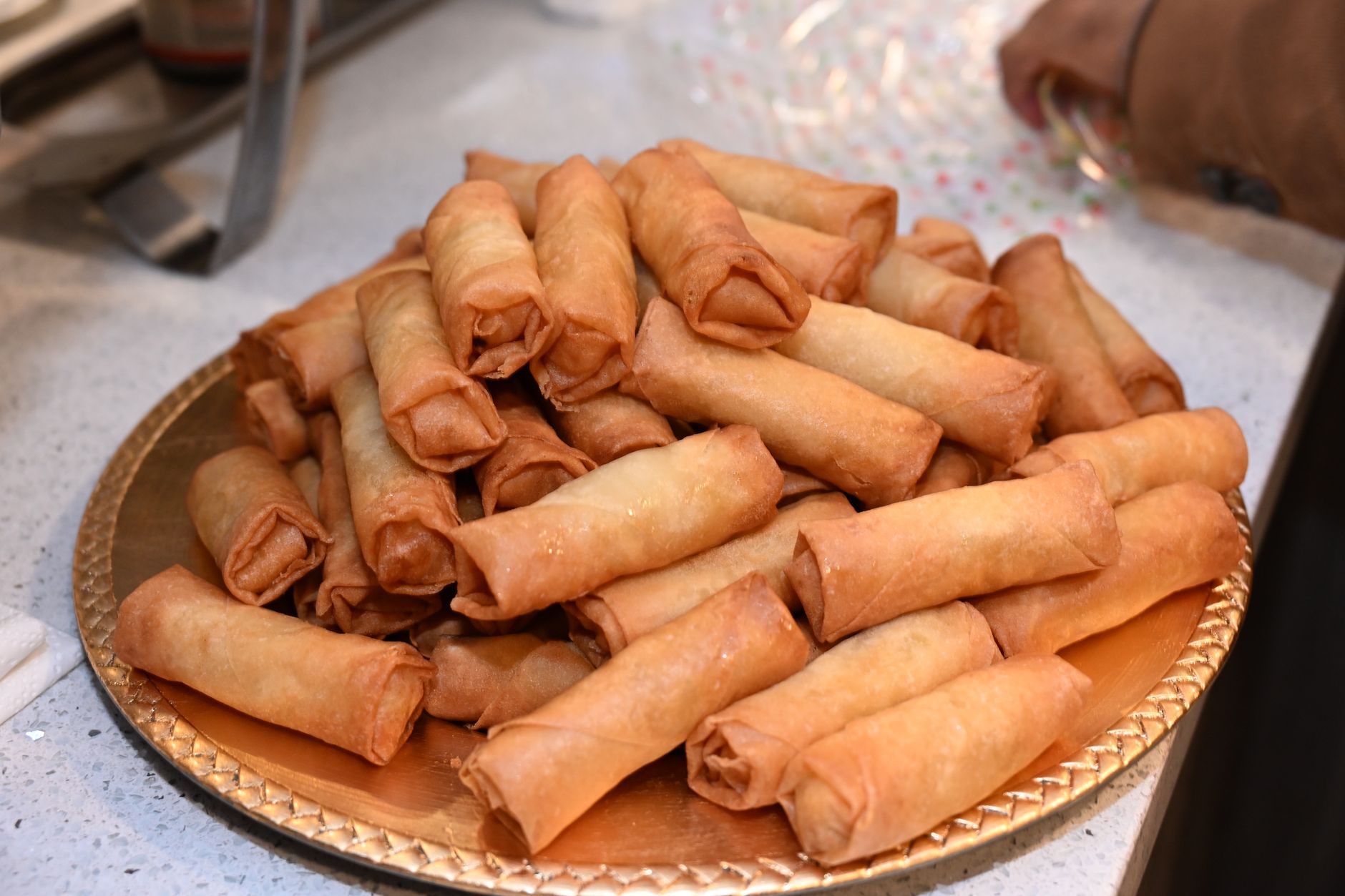
Spring rolls, a delightful and versatile dish enjoyed in various cuisines, are beloved for their crisp texture and flavorful fillings. But where did this tasty treat originate? The journey of spring rolls through history is as interesting as their preparation and consumption today. Understanding their origins not only connects you to a rich culinary tradition but also enhances your appreciation for these delightful rolls.
This article will explore the roots of spring rolls, their historical significance, variations across cultures, and tips for making your own delicious versions at home. From their Asian beginnings to global adaptations, let’s roll into the fascinating history of spring rolls.
Where Did Spring Rolls Originate?
Spring rolls are believed to have originated in China over 2,000 years ago, during the Eastern Jin Dynasty. Initially, they were made as a seasonal dish to celebrate the arrival of spring, filled with fresh vegetables and served during the Spring Festival. As time progressed, the concept of wrapping ingredients in thin dough spread across Asia, leading to various regional adaptations.
The Historical Timeline of Spring Rolls
The history of spring rolls is intertwined with significant historical events and cultural exchanges in Asia. Here are some key points in their evolution:
-
Eastern Jin Dynasty (265-420 AD):
It is during this period that spring rolls are first documented, created with a simple combination of fresh vegetables wrapped in a thin dough and sometimes deep-fried. -
Tang Dynasty (618-907 AD):
The popularity of spring rolls grew, evolving as an essential dish during festive occasions. Recipes began to be documented, indicating a transition from simple peasant food to gourmet cuisine. -
Song Dynasty (960-1279 AD):
With the expansion of trade routes, new ingredients began to influence spring roll recipes. The integration of meat and other proteins began in many regions. -
Ming Dynasty (1368-1644 AD):
Spring rolls became even more widespread, with various fillings and innovative cooking methods, including frying and baking. They also appeared as a popular snack among the populace. -
20th Century:
As Chinese emigrants traveled around the world, they brought spring rolls with them. Adaptations of spring rolls began to emerge in countries like Vietnam (where they became known as “gỏi cuốn”) and Thailand (“poh pia”), blending local flavors and ingredient preferences.
Spring Roll Variations Around the World
While spring rolls are rooted in Chinese cuisine, many cultures have embraced the concept, resulting in numerous variations. Here’s a look at some notable regional styles:
1. Chinese Spring Rolls
Often referred to as “chun juan,” Chinese spring rolls are typically filled with a mixture of vegetables, meats, and sometimes seafood. They are usually deep-fried until perfectly crispy and served with a tangy dipping sauce.
2. Vietnamese Gỏi Cuốn
Unlike their Chinese counterparts, Vietnamese spring rolls are often made with rice paper and are fresh rather than fried. They are typically filled with vermicelli noodles, shrimp, vegetables, and herbs, served with a hoisin or peanut dipping sauce.
3. Thai Poh Pia
In Thailand, spring rolls come in both fresh and fried variations. The fillings may include tofu, various vegetables, and meat, often seasoned with Thai herbs and spices to impart a distinct flavor profile.
4. Filipino Lumpia
Lumpia is the Filipino version of spring rolls, usually filled with meat, vegetables, and sometimes served with a sweet and sour sauce for dipping. They may also come in both fresh and fried forms.
5. Japanese Harumaki
Harumaki are Japanese spring rolls that are typically deep-fried and filled with a mixture of vegetables, meat, and sometimes seafood. They are commonly served as an appetizer.
How to Make Your Own Spring Rolls
Creating spring rolls at home can be a rewarding experience. Here’s a simple guide to making basic spring rolls, along with options for fillings and wrappers.
Essential Equipment
- Mixing bowls
- Heavy frying pan or deep fryer
- Tongs
- Paper towels (for draining excess oil)
- Cutting board
- Sharp knife
Ingredients
Below is a basic list of ingredients for spring rolls. Feel free to mix and match to suit your taste preferences.
- Spring roll wrappers (available in Asian grocery stores)
- Vegetables (cabbage, carrots, bell peppers, bean sprouts, etc.)
- Protein (shrimp, ground pork, chicken, or tofu)
- Herbs (cilantro, mint, basil for fresh rolls)
- Sauce for dipping (sweet chili, soy sauce, or peanut sauce)
Preparation Steps
- Prep your ingredients by finely chopping vegetables and proteins.
- If using rice paper sheets for fresh rolls, soak them in warm water until softened (a few seconds).
- Place the softened rice paper on a clean, flat surface. If using spring roll wrappers, lay them flat on the counter.
- Add your desired fillings in a line across the bottom third of the wrapper, leaving space on the sides.
- Fold the edges of the wrapper inward and then roll it tightly from the bottom up.
- For fried spring rolls, heat oil in a frying pan or deep fryer to 350°F (175°C). Fry the rolls until golden brown, about 3-5 minutes, turning occasionally.
- Drain on paper towels and serve hot with dipping sauce.
Common Mistakes and Troubleshooting
When making spring rolls, there are common pitfalls you might encounter. Here are some tips to help navigate these challenges:
- Wrapper Breaking: If the wrappers tear, ensure they are adequately hydrated but not over-soaked. Using fresh rice paper quickly after soaking can also help reduce brittleness.
- Overstuffing: It’s tempting to add plenty of fillings, but overstuffing can cause rolls to burst during cooking. Keep a modest amount to seal properly.
- Underseasoning: Fresh ingredients might lack flavor. Use a mix of herbs, spices, and sauces for a richer and more appetizing roll.
- Inconsistent Cooking: Ensure the oil is hot enough before frying to avoid soggy spring rolls. Use a thermometer if unsure.
Storing and Reheating Spring Rolls
If you have leftover spring rolls, proper storage and reheating techniques can maintain their taste and texture.
Storage Guidelines
- Store fresh spring rolls in an airtight container separated by parchment paper to prevent sticking. They can last in the fridge for about 2 days.
- Fried spring rolls can be stored in the refrigerator for up to 3 days. However, they are best enjoyed fresh.
Reheating Tips
- For fried spring rolls, reheat in an oven set to 350°F (175°C) for about 10 minutes. This will help retain their crispiness.
- Fresh rolls can be enjoyed cold. If desired, you can briefly immerse them in warm water to soften before serving again.
Spring Rolls in Cultural Celebrations
In many Asian cultures, spring rolls play a role in cultural traditions and celebrations. For instance, during the Chinese New Year, eating spring rolls symbolizes wealth and prosperity due to their resemblance to gold bars. Similarly, in Vietnam, gỏi cuốn is often enjoyed during family gatherings and special occasions, adding a communal element to their preparation and consumption.
Spring rolls also appear on menus as a common appetizer in various Asian cuisines around the world, showcasing their universal appeal. Knowing their historical significance enhances the joy of enjoying them, whether at a restaurant or in your kitchen.
Conclusion
Spring rolls are more than just a dish; they are a testament to culinary history, cultural exchange, and creativity in the kitchen. From traditional Chinese recipes to vibrant adaptations around the world, these rolls offer infinite possibilities to explore. Whether you choose to fry them, serve them fresh, or try your hand at wrapping various fillings, the journey will inspire delicious results.
If you’re eager to continue your culinary adventures, explore tantalizing recipes like this pork egg roll recipe or dive into the flavors of shrimp with this shrimp egg roll recipe. Happy cooking!