
There’s something almost magical about watching crisp, raw lettuce transform into something tender and silky with just a little heat and fat. Wilted lettuce is one of those simple dishes that tastes far more elegant than the minimal effort required to make it.
This recipe brings out the natural sweetness of the lettuce while adding richness and depth from butter, garlic, and a touch of acid. It’s quick enough for a weeknight dinner, fancy enough to serve alongside roasted chicken or fish, and honestly, it’s the kind of side dish that might steal the show from whatever the main course is.
Why You’ll Love This Recipe
Wilted lettuce hits all the marks for a versatile side dish that works with almost any protein or cuisine. It’s fast, elegant, and uses ingredients you probably already have on hand.
- Ready in under 10 minutes from start to finish
- Works with any tender lettuce variety you can find
- Naturally complements meat, fish, and vegetarian mains
- Teaches you a fundamental cooking technique that elevates simple vegetables
- Costs just a few dollars to make for the whole family
My Experience Making This Recipe
The first time I made wilted lettuce intentionally was during a phase when I was trying to use up a head of butter lettuce before it went bad. I melted some butter, threw in minced garlic, then tossed in the lettuce without much confidence it would turn into anything worth eating.
What happened surprised me: the lettuce collapsed into tender ribbons within two minutes, the garlic infused the butter with this warm, mellow flavor, and the whole thing tasted like something from a French bistro. My partner asked what restaurant I’d ordered from.
Now I make it regularly, sometimes with just butter and garlic, other times with shallots, lemon, or a pinch of red pepper flakes. It’s become one of my go-to moves when I want something that looks intentional without fussing around for an hour.
Recipe Overview
- Recipe Name: Wilted Lettuce with Garlic and Butter
- Servings: 4
- Prep Time: 5 minutes
- Cook Time: 5 minutes
- Total Time: 10 minutes
- Course: Side Dish
- Cuisine: French-Inspired
- Calories per Serving: 85
Equipment You Will Need
- Large skillet or sauté pan
- Sharp knife for cutting lettuce
- Cutting board
- Wooden spoon or silicone spatula
- Measuring spoons
- Colander or salad spinner (optional but helpful)
Ingredients for Wilted Lettuce
- 1 large head butter lettuce or romaine, about 10 ounces, cleaned and chopped into bite-sized pieces
- 3 tablespoons unsalted butter
- 3 cloves garlic, minced
- 1/4 teaspoon kosher salt
- 1/8 teaspoon black pepper
- 1 tablespoon fresh lemon juice, optional but recommended
- Pinch of red pepper flakes, optional
Ingredient Notes and Substitutions
- Butter lettuce: Soft, tender, and sweet when cooked; butter lettuce is ideal for wilting. Substitute with romaine, green leaf, or even spinach for a heartier result.
- Unsalted butter: Gives you control over the final salt level. Salted butter works fine; just reduce the added salt slightly.
- Garlic: Raw minced garlic mellows beautifully in the heat. Shallots (1 small shallot, minced) create a more delicate, slightly sweet flavor.
- Lemon juice: Brightens the dish with acidity and pairs beautifully with butter. Sherry vinegar or white wine vinegar (1 teaspoon) offer deeper flavor.
- Red pepper flakes: A tiny pinch adds heat without overpowering. Freshly cracked black pepper works equally well for a classic approach.
How to Make Wilted Lettuce
Step 1: Clean and Dry Your Lettuce
Rinse the lettuce thoroughly under cool running water to remove any dirt or grit. Spin it dry in a salad spinner or pat it gently with paper towels; excess water will steam off the lettuce instead of letting it brown properly in the butter.
Step 2: Chop the Lettuce Into Bite-Sized Pieces
Cut the lettuce into roughly 2-inch pieces on your cutting board. Don’t overthink the size; you want pieces large enough to handle with a spoon but small enough to wilt evenly and quickly.
Step 3: Mince Your Garlic
Peel and mince the garlic cloves into small, uniform pieces. Smaller pieces distribute flavor more evenly and soften faster than larger chunks.
Step 4: Heat the Butter Over Medium Heat
Place your skillet on the stovetop and add the butter, heating over medium heat. Once the butter foams and smells nutty (about 1 minute), you’ll know it’s ready; this means the milk solids are browning and adding depth to the dish.
Step 5: Add the Garlic and Infuse
Pour the minced garlic into the foaming butter and stir constantly for about 30 seconds to 1 minute. You’re looking for the garlic to become fragrant and slightly softened without turning brown, which would make it taste bitter.
Step 6: Add the Lettuce in Batches
Add about half the chopped lettuce to the pan and stir it gently with a wooden spoon. The lettuce will look enormous at first, but it collapses quickly as the heat breaks down its cell structure and releases moisture.
Once the first batch has wilted down (about 1 to 2 minutes), add the remaining lettuce and stir to coat everything in the buttery garlic mixture. The lettuce will continue to collapse until you’re left with a fraction of what you started with.
Step 7: Season with Salt and Pepper
Sprinkle the salt and pepper over the wilted lettuce and toss everything together. Taste a small bite and adjust the seasoning if needed; lettuce is mild, so don’t be shy with seasoning.
Step 8: Finish with Lemon Juice and Optional Heat
Drizzle the fresh lemon juice over the wilted lettuce and add a pinch of red pepper flakes if you like a hint of heat. Toss everything one more time to combine, then transfer to a serving bowl or plate immediately.
Pro Tip: Don’t cook the lettuce longer than 3 to 4 minutes total, or it loses its tender texture and starts to taste flat and overcooked.
Tips for the Best Wilted Lettuce
- Choose lettuce varieties with tender leaves like butter, oak leaf, or bibb lettuce rather than tough, dense varieties like iceberg. Tender leaves wilt evenly and taste sweeter.
- Pat your lettuce completely dry after washing; wet lettuce creates steam instead of allowing gentle heat to soften the leaves. A salad spinner is worth every penny.
- Use medium heat rather than high heat, which can brown the garlic too quickly and create bitter, burnt flavors. Gentle, steady heat creates silky lettuce every time.
- Add your lemon juice at the very end so the acid doesn’t begin breaking down the lettuce before it hits the pan. The bright flavor also stays fresher this way.
- Taste and adjust seasoning right before serving, as the natural salts in butter can vary by brand and affect the final salt level.
- Make this dish last so everything else on your plate stays warm. Wilted lettuce is best enjoyed fresh from the pan, at its warmest and most tender.
Common Mistakes to Avoid
- Using wet lettuce: Water prevents browning and creates a steamed, mushy texture instead of tender wilted leaves. Always spin or pat your lettuce dry first.
- Cooking the garlic too long: Garlic turns bitter and acrid when it browns. Keep the heat at medium and watch the garlic carefully for just 30 seconds to 1 minute.
- Adding all the lettuce at once: Piling everything in the pan at once creates too much moisture and uneven cooking. Add it in batches so each piece wilts evenly and stays tender.
- Overcooking the lettuce: More than 4 minutes of heat turns tender lettuce into a limp, flavorless mess. Quick cooking preserves the mild, sweet flavor and delicate texture.
- Forgetting to season adequately: Lettuce needs salt and acid to taste interesting; underseasoned wilted lettuce tastes like hot water. Taste and adjust before plating.
Serving Suggestions
Wilted lettuce pairs beautifully with almost any protein or meal style, bringing a tender, garlicky side that doesn’t compete with the main dish. It’s equally at home on a casual weeknight table or a formal dinner plate.
- Serve alongside roasted chicken breast or thighs for a bistro-style pairing
- Plate under a perfectly cooked piece of salmon or trout for elegant simplicity
- Add to a vegetarian dinner with roasted potatoes, mushrooms, and fresh herbs
- Use as a bed for soft scrambled eggs and crispy bacon for a light brunch
- Accompany lamb chops or beef steak for a classic French-inspired meal
Variations to Try
- Wilted Lettuce with Shallots and Thyme: Replace the garlic with 1 small shallot, minced, and add 1 teaspoon of fresh thyme leaves. This variation tastes more refined and slightly earthy.
- Creamy Wilted Lettuce: After wilting the lettuce, add 2 tablespoons of heavy cream and a small splash of Dijon mustard. The cream mellows the garlic and creates a luxurious sauce.
- Wilted Lettuce with Anchovy and Capers: Mince 2 anchovy fillets and add them to the butter along with the garlic, then finish with 1 tablespoon of rinsed capers. This creates a deeper, more savory flavor profile.
- Wilted Lettuce with Nuts: Toast 2 tablespoons of sliced almonds or walnuts in the pan before adding the garlic, then toss with the finished lettuce. The nuts add crunch and richness.
- Spicy Wilted Lettuce: Increase the red pepper flakes to 1/4 teaspoon and add 1 teaspoon of soy sauce for heat and umami depth. This works especially well with Asian-inspired mains.
Dietary Adaptations
- Gluten-free: This recipe is naturally gluten-free as written; no adjustments needed. Be cautious if adding soy sauce in variations, and choose tamari instead.
- Dairy-free: Replace butter with olive oil or avocado oil, using the same 3 tablespoons. The dish tastes slightly lighter but remains delicious and retains the garlicky flavor.
- Vegan: Use olive oil instead of butter and avoid any cream-based variations. The basic recipe works perfectly with plant-based swaps.
- Low-carb/Keto: This recipe fits perfectly into low-carb eating since lettuce is mostly water and fiber. Butter and garlic add minimal carbs, making this an ideal side dish.
Storage and Reheating
Refrigerator
Transfer leftover wilted lettuce to an airtight container and refrigerate for up to 2 days. The lettuce will soften further and the flavors will meld together.
- Store in a shallow container to prevent the lettuce from compressing under its own weight
- Keep the container sealed to prevent the dish from absorbing odors from the fridge
Freezer
Wilted lettuce doesn’t freeze well because the texture becomes mushy and watery once thawed. It’s best enjoyed fresh or refrigerated for a day or two.
- Freezing breaks down the cell structure further, creating an unappetizing texture
- Fresh wilted lettuce tastes so much better that making a small batch is worth the minimal effort
Reheating
Reheat gently in a skillet over medium-low heat for 2 to 3 minutes, stirring occasionally. Add a splash of lemon juice or a small pat of butter to refresh the flavors.
- Use medium-low heat to warm through without further breaking down the lettuce
- Taste and adjust seasoning after reheating, as flavors can flatten slightly
Nutrition Information
| Nutrient | Amount |
|---|---|
| Calories | 85 |
| Total Fat | 9g |
| Saturated Fat | 5.5g |
| Carbohydrates | 2g |
| Fiber | 1g |
| Sugar | 0.5g |
| Protein | 1g |
| Sodium | 180mg |
| Cholesterol | 23mg |
These values are approximate and based on the ingredients listed. Nutritional content varies by brand and specific product choices.
Frequently Asked Questions
Can I make wilted lettuce ahead of time?
It’s best served immediately after cooking, but you can prepare it up to 2 days ahead and reheat gently. The texture softens and the flavors mellow with time, which some people prefer.
What lettuce varieties work best for wilting?
Soft, tender varieties like butter lettuce, bibb, oak leaf, and green leaf work beautifully. Avoid tough varieties like iceberg, which never fully soften and taste bland.
Can I use garlic powder instead of fresh garlic?
Fresh garlic creates a much better flavor and mellow texture when cooked in butter. If you must use garlic powder, use 1/2 teaspoon and mix it into the butter for even distribution, though the result won’t be as delicious.
Why does my wilted lettuce taste bitter?
Bitter flavors usually come from overcooked garlic or cooking the lettuce too long. Keep the heat at medium, watch the garlic carefully, and cook the lettuce for no longer than 4 minutes total.
How do I know when the lettuce is done wilting?
The lettuce is done when it has collapsed significantly and the leaves are tender enough to cut with a fork. The color will be slightly darker than raw lettuce, and a gentle bite should require no chewing.
Can I add cream or other dairy to this recipe?
Absolutely, though it changes the dish into something richer and more sauce-like. Stir in 2 tablespoons of heavy cream or sour cream after wilting, and taste for seasoning adjustment.
Final Thoughts
Wilted lettuce teaches you something important about cooking: simple ingredients, proper technique, and respect for flavor create something far better than complexity ever could. This dish proves that you don’t need fancy equipment or a long ingredient list to impress yourself or others at the dinner table.
Try making this recipe this week, and notice how a head of lettuce and some butter can transform into something memorable. Once you master the basic technique, you’ll find yourself making variations and discovering new favorite pairings.
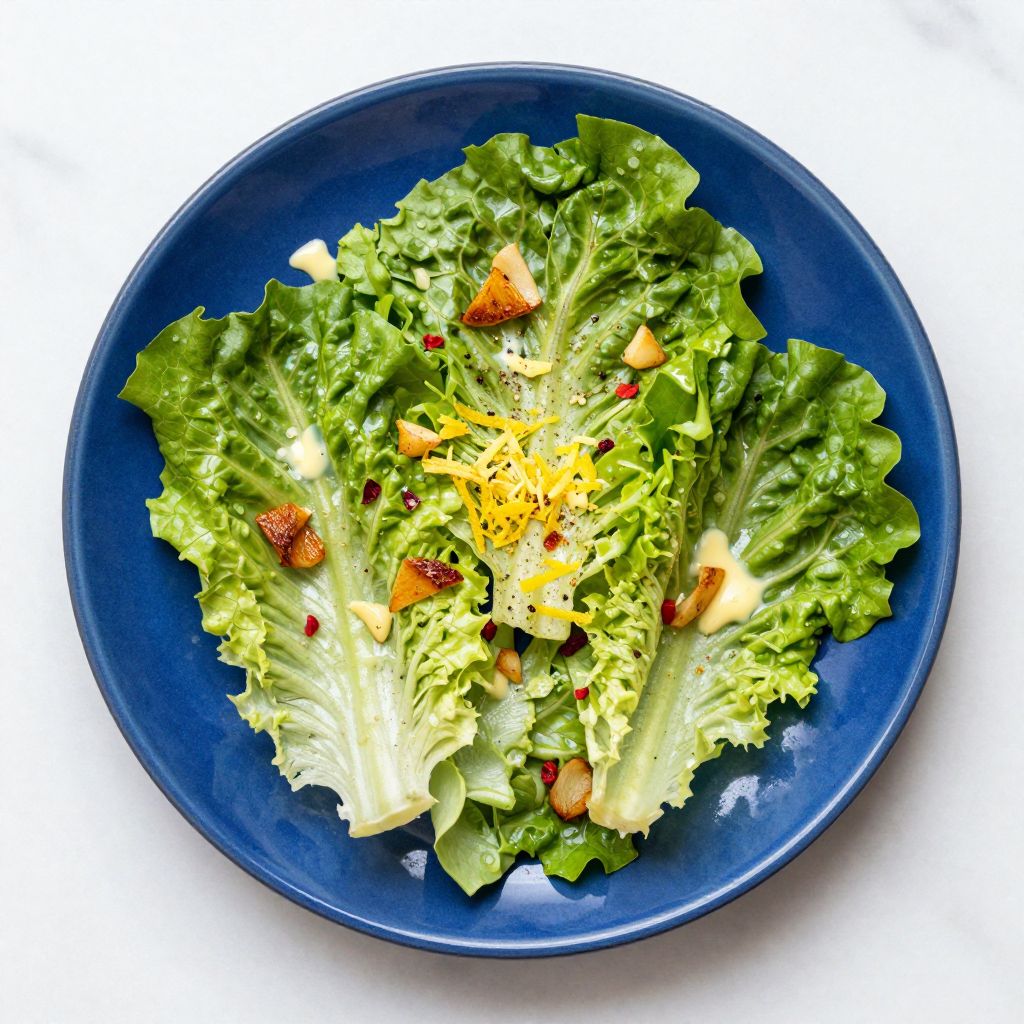
Wilted Lettuce with Garlic and Butter
Ingredients
Equipment
Method
- Rinse the lettuce thoroughly under cool running water to remove any dirt or grit. Spin it dry in a salad spinner or pat it gently with paper towels; excess water will steam off the lettuce instead of letting it brown properly in the butter.
- Cut the lettuce into roughly 2-inch pieces on your cutting board. Don't overthink the size; you want pieces large enough to handle with a spoon but small enough to wilt evenly and quickly.
- Peel and mince the garlic cloves into small, uniform pieces. Smaller pieces distribute flavor more evenly and soften faster than larger chunks.
- Place your skillet on the stovetop and add the butter, heating over medium heat. Once the butter foams and smells nutty (about 1 minute), you'll know it's ready; this means the milk solids are browning and adding depth to the dish.
- Pour the minced garlic into the foaming butter and stir constantly for about 30 seconds to 1 minute. You're looking for the garlic to become fragrant and slightly softened without turning brown, which would make it taste bitter.
- Add about half the chopped lettuce to the pan and stir it gently with a wooden spoon. The lettuce will look enormous at first, but it collapses quickly as the heat breaks down its cell structure and releases moisture.
- Once the first batch has wilted down (about 1 to 2 minutes), add the remaining lettuce and stir to coat everything in the buttery garlic mixture. The lettuce will continue to collapse until you're left with a fraction of what you started with.
- Sprinkle the salt and pepper over the wilted lettuce and toss everything together. Taste a small bite and adjust the seasoning if needed; lettuce is mild, so don't be shy with seasoning.
- Drizzle the fresh lemon juice over the wilted lettuce and add a pinch of red pepper flakes if you like a hint of heat. Toss everything one more time to combine, then transfer to a serving bowl or plate immediately.