
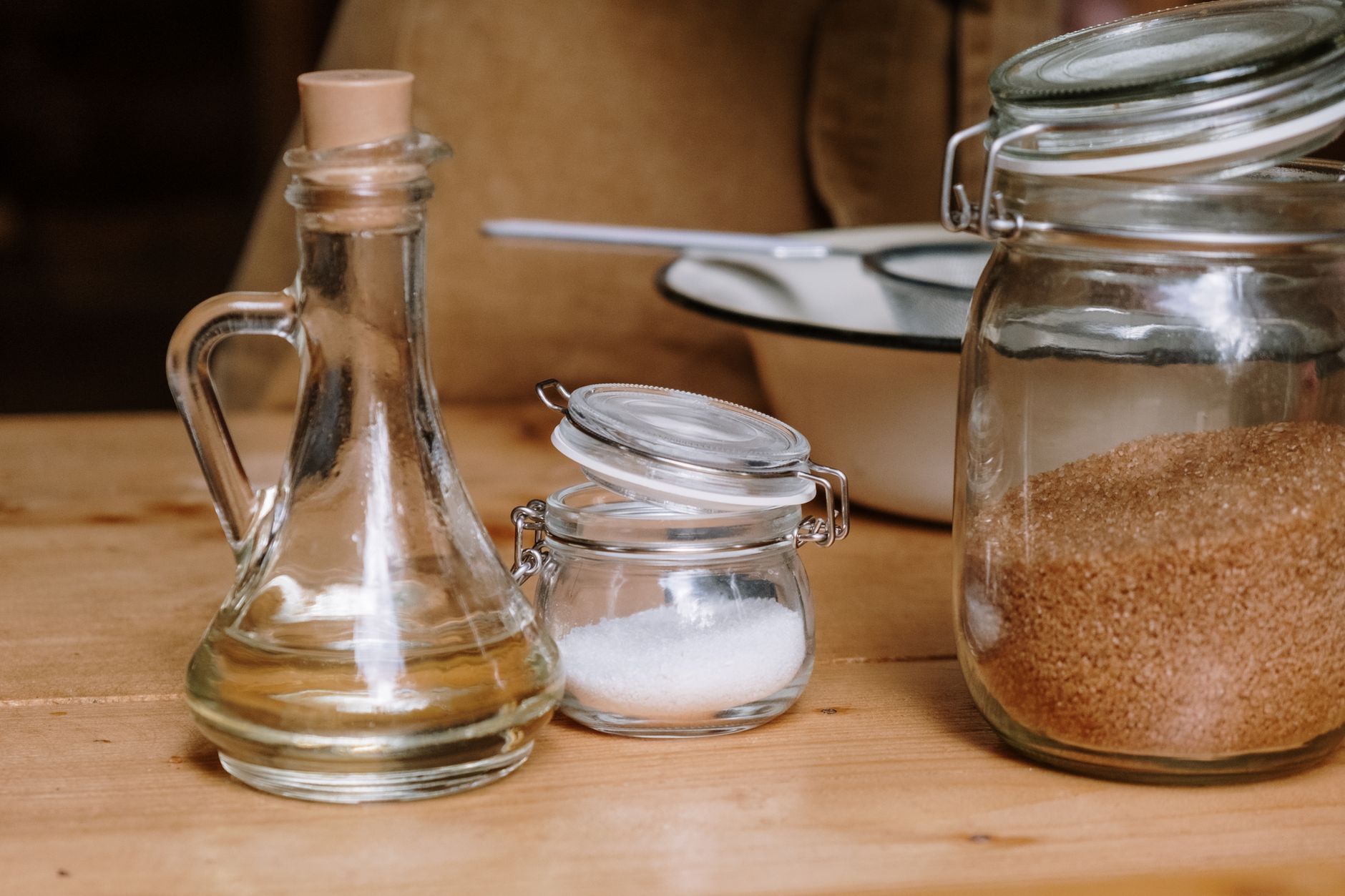
Mise en place, a French culinary term meaning “everything in its place,” is foundational to successful cooking. This approach emphasizes organization, preparation, and precision in the kitchen, ultimately enhancing efficiency and creativity in meal preparation.
In this article, we will delve deeply into the meaning of mise en place, its significance in cooking, practical applications, and tips for incorporating this technique into your culinary routine. By understanding mise en place, you’ll learn how to streamline your cooking process and make your time in the kitchen more enjoyable.
What Does Mise En Place Mean?
Mise en place is the practice of preparing and arranging all your ingredients and tools before starting to cook. This includes measuring, chopping, and organizing everything you need for your recipe. This meticulous preparation results in a smoother cooking process and allows you to focus on techniques and flavors rather than scrambling to find or prepare ingredients as you go.
The Importance of Mise En Place
Understanding the significance of mise en place can transform the way you approach cooking. Here are several key reasons why this practice is essential:
- Efficiency: Cooking becomes faster and more efficient when you have everything ready at hand. You can concentrate on the actual cooking instead of interrupting your flow to gather ingredients.
- Minimized Stress: Cooking can often be overwhelming, especially when preparing elaborate meals. Mise en place helps reduce chaos in the kitchen, making the process smoother.
- Precision: Accurate ingredient measurements and preparation lead to better results. With mise en place, you are less likely to forget key ingredients or make calculation errors.
- Creative Control: Having everything organized allows for experimentation with flavors and techniques, as you can easily adjust combinations without feeling rushed.
- Cleanliness: Preparing your ingredients beforehand can help keep your workspace tidy, making it easier to clean up after you’re done.
How to Implement Mise En Place
Incorporating mise en place into your cooking routine is straightforward. Follow these steps to get started:
- Choose a Recipe: Start by selecting a recipe that you want to prepare. Take note of the ingredients and equipment needed.
- Gather Your Ingredients: Collect all ingredients, ensuring you have everything before starting. Check for freshness, and prepare any items that require thawing or soaking.
- Prep Your Ingredients: Measure, chop, slice, and otherwise prepare your ingredients as specified in the recipe. Group similar ingredients together for easy access.
- Set Up Your Workspace: Organize your cooking area neatly, positioning your ingredients and equipment strategically. Keep often-used tools within arm’s reach.
- Start Cooking: With everything in place, you can begin cooking with confidence. Focus on executing your recipe without interruption.
Key Components of Mise En Place
Several aspects can contribute to an effective mise en place setup. Here are some key components to consider:
- Ingredient Preparation: This includes chopping vegetables, measuring spices, and weighing proteins. Alternative ingredient preparation can be done based on your recipe.
- Equipment Selection: Ensure all pots, pans, and utensils are ready and accessible. Consider what you’ll need: cutting boards, knives, mixing bowls, and measuring cups.
- Timing: Plan the order of your cooking steps, which parts of your dish need longer cooking times, and which can be done simultaneously.
- Cleanliness: Clear your workspace to make room for your cooking activities and prevent cross-contamination.
Mise En Place for Different Cooking Styles
Mise en place can be used effectively regardless of your cooking style. Here’s how to apply it across various cuisines:
French Cuisine
In traditional French cooking, mise en place is fundamental. Every ingredient, from herbs to sauces, is prepared beforehand, ensuring that classic techniques like sautéing or braising can be executed smoothly. For example, preparing a mirepoix (a mixture of diced carrots, onions, and celery) as your base will set a strong foundation for many French sauces and dishes.
Vegetarian Cooking
Vegetarian dishes often involve many different ingredients and flavors. By employing mise en place, you can prepare grains, legumes, and different vegetables ahead of time. This is especially useful for complex salads or grain bowls where various elements need to come together harmoniously.
Baking
Baking requires precision and timing. Use mise en place to measure out flour, sugar, and leavening agents accurately. Having your ingredients lined up and prepped means you can smoothly transition from one step to the next. For instance, having eggs at room temperature and butter softened ahead of time can significantly affect the outcome of cakes and cookies.
Meal Prepping and Batch Cooking
Mise en place is particularly beneficial for meal prepping. Before you start batch cooking meals for the week, prioritize which ingredients you’ll include, chop, and portion them based on your meals. This ensures that meal prep is faster and less cumbersome.
Common Mistakes in Mise En Place
Even with the best intentions, mistakes can happen when implementing mise en place. Here are some common pitfalls and how to avoid them:
- Skipping Steps: Some may be tempted to skip the mise en place phase to save time. However, this can lead to disorganization and complications later on.
- Insufficient Prep Time: Underestimating the time needed for prep can lead to chaos. Allocate plenty of time for ingredient preparation to avoid rushing.
- Improper Storage: Failing to store prepped items correctly may affect their freshness. Keep ingredients covered and chilled when necessary.
- Disorganization: A cluttered workspace can negate the efficiency of mise en place. Ensure you have a clean, tidy area to work in.
Tips for Effective Mise En Place
Here are some practical tips to enhance your mise en place experience:
- Invest in Quality Tools: Having reliable knives, cutting boards, and measuring tools can make prep work more enjoyable and efficient.
- Use Containers: Small bowls or containers can help keep prepped ingredients organized and visible. This minimizes the chance of ingredients being forgotten.
- Label Items: If prepping ahead of time, use labels to designate prep items clearly, especially for batch cooking.
- Practice Regularly: The more you practice mise en place, the more intuitive it will become. Try it out for all kinds of recipes.
Mise En Place in Professional Kitchens
In professional kitchens, mise en place takes on additional significance. Chefs rely heavily on this technique to maintain a fast-paced, organized environment. Here, mise en place tends to follow several additional guidelines:
- Station Setup: Each chef typically has a designated prep station stocked with the tools and ingredients they will need for the day.
- Pre-Service Prep: Before front-of-house service begins, chefs complete as much preparation as possible to facilitate smooth cooking during service.
- Service Line Organization: During service, ingredients are often arranged for maximum efficiency, allowing quick access while plating dishes.
Adapting Mise En Place for Home Cooks
As a home cook, you can adapt professional mise en place principles to your kitchen setting:
- Work in Batches: If preparing multiple recipes or meals, try batch prepping ingredients. This is particularly useful for things like vegetables or sauces.
- Plan Your Meals: Create a weekly meal plan and gather the required ingredients beforehand. This practice minimizes last-minute rushing and reduces food waste.
- Be Flexible: Feel free to adjust your preparation methods based on what works best for you. Create a mise en place routine that aligns with your cooking style.
Conclusion
Understanding and implementing mise en place can significantly enhance your cooking experience. With its focus on preparation and organization, you can streamline your workflow, reduce stress, and unleash your culinary creativity. Start by practicing mise en place in your next meal prep, and watch how it transforms your time in the kitchen.
To further your culinary skills, explore our recipes for mirepoix and chia pudding.