
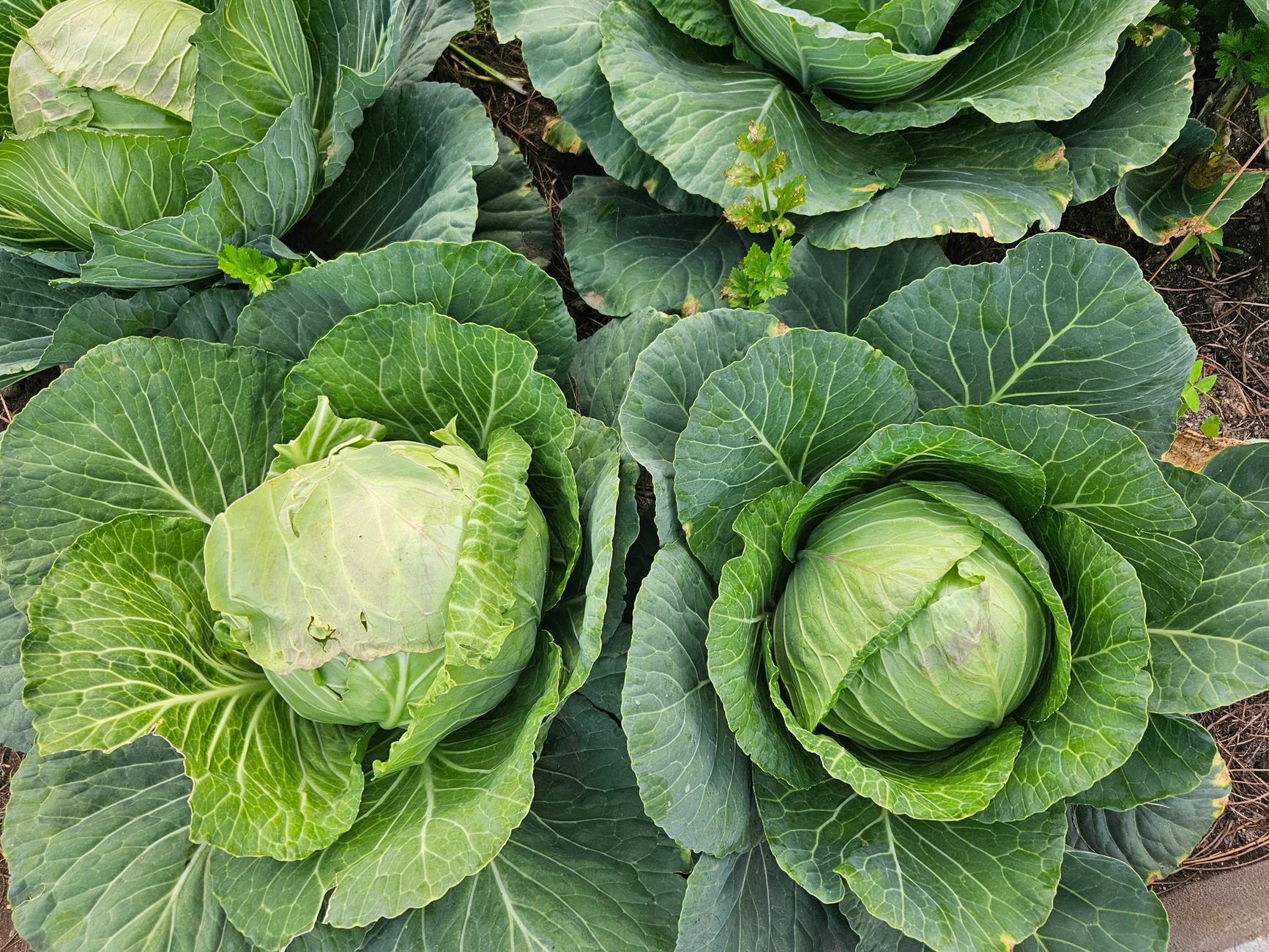
Cabbage is a leafy vegetable that belongs to the Brassica family, which also includes broccoli, kale, and cauliflower. It is a staple in many cuisines around the world and is valued for its versatility and nutritional benefits. While it may seem simple, cabbage comes in various forms, each with its unique appearance, flavor, and culinary application.
This article provides a comprehensive overview of what cabbage looks like, its different varieties, textures, flavors, and how to best use it in the kitchen.
What Does Cabbage Look Like?
Cabbage is characterized by its dense, leafy head, which can vary significantly in color, texture, and size depending on the type. The most common type is green cabbage, which has a pale green exterior and tightly packed leaves that can be smooth or slightly crinkled. Purple cabbage, another popular variety, exhibits vibrant purple or red leaves, often with a more pronounced crinkle. Savoy cabbage features crinkly, deeply textured leaves that are a bright shade of green, making it quite distinct.
The head of cabbage typically ranges from 1 to 5 pounds, featuring a diameter of 6 to 15 inches. These variations allow for a wide range of culinary uses, whether sliced thin for salads or sautéed until tender.
Types of Cabbage and Their Characteristics
Understanding the different types of cabbage can enhance your cooking and meal planning. Below are some of the most common varieties.
Green Cabbage
- Appearance: Pale green leaves, tightly packed and smooth.
- Flavor: Mild, slightly sweet, and crunchy.
- Uses: Perfect for coleslaw, stir-fries, and braising.
Purple Cabbage
- Appearance: Deep purple leaves that are often glossier than green cabbage.
- Flavor: Slightly peppery and sweeter than green cabbage.
- Uses: Attractive in salads, fermentations, and pickles.
Savoy Cabbage
- Appearance: Wrinkled, deeply textured dark green leaves.
- Flavor: Sweet and tender, with a velvety texture.
- Uses: Ideal for stuffing, salads, and soups due to its tenderness.
Napa Cabbage
- Appearance: Long, elongated leaves with a light green color and a pale yellow spine.
- Flavor: Mild and sweet, with crisp leaves.
- Uses: Commonly used in Asian dishes, like kimchi, and perfect for salads and stir-frying.
The Flavor and Texture of Cabbage
The flavor of cabbage can range from mild to slightly peppery, depending on the variety. The texture is generally crisp when raw and becomes tender and mellow when cooked. Each type of cabbage can offer a different sensory experience in the kitchen. For example, raw cabbage can add crunch and freshness to dishes, while cooked cabbage tends to develop a sweeter flavor profile.
Cooking with Cabbage
Cabbage is an extremely versatile ingredient that can be enjoyed in numerous forms, including raw, sautéed, boiled, steamed, or fermented. Its ability to absorb flavors makes it a great addition to various dishes.
Raw Applications
- Salads: Shredded cabbage adds crunch and nutrition, making it an ideal base for coleslaw or mixed green salads. It pairs well with vinaigrettes and creamy dressings.
- Wraps: Larger leaves can be used as a low-carb alternative to tortillas, providing structure and a fresh taste.
Cooked Applications
- Sautéed: Sautéing cabbage with a bit of oil, salt, and pepper can create a caramelized effect that enhances its natural sweetness.
- Soups and Stews: Adding cabbage to hearty soups and stews can contribute flavor, texture, and nutrients.
- Fermented: Cabbage is the main ingredient in sauerkraut and kimchi. Fermentation enhances its flavor and preserves it for longer storage.
Ingredient Substitutions for Cabbage
While cabbage is a distinctive ingredient, there are occasions when you might want to substitute it in your dishes. Here are some effective alternatives based on texture and flavor:
Substitution Options
- Brussels Sprouts: These small, tender cabbages can add a similar flavor and texture, particularly when roasted.
- Kale: While tougher than cabbage, kale has a robust flavor and can work well in salads or stir-fries. Remove the thick stems and slice it thinly for best results.
- Swiss Chard: This leafy green has a similar texture and can be used in lieu of cabbage in many cooked dishes.
Cooking Techniques for Cabbage
There are various methods to prepare and cook cabbage, each yielding different textures and flavors. Here are some effective cooking techniques:
Blanching
- Bring a large pot of salted water to a boil.
- Add the cabbage leaves and blanch for about 2-3 minutes.
- Transfer to an ice bath to stop the cooking process, then drain and use.
Blanching helps retain the vibrant color and crisp texture, making it an excellent preparation for salads or dishes where you want a fresh crunch.
Stir-Frying
- Heat oil in a large skillet or wok over medium-high heat.
- Add sliced cabbage along with other vegetables or proteins.
- Stir-fry for about 5-7 minutes, until tender but still slightly crisp.
This method produces a quick and flavorful dish where cabbage still maintains some crunch, enhancing its appeal.
Braising
- In a large pot, heat some oil and add sliced cabbage.
- Add broth or water, cover, and simmer on low heat for 20-30 minutes.
Braising is a great way to soften cabbage while infusing it with other flavors, resulting in a rich and hearty dish.
Common Mistakes When Cooking Cabbage
While cooking cabbage is relatively straightforward, there are some pitfalls to avoid to achieve the best results.
- Overcooking: Cabbage can become mushy and lose its flavor if overcooked. Keep an eye on cooking times to ensure it remains tender-crisp.
- Choosing the Wrong Variety: Different cabbage types suit different recipes. For example, use napa cabbage for stir-fries and green cabbage for coleslaw.
Storage and Preservation of Cabbage
Cabbage is a hardy vegetable that can last for weeks in your fridge if stored properly. Follow these tips for optimal storage:
Fresh Cabbage Storage
- Keep whole heads of cabbage in the vegetable crisper drawer of your refrigerator, unwashed and wrapped loosely in plastic.
- Once cut, store the remaining cabbage in an airtight container or wrapped in plastic wrap, ideally consuming it within a week.
Freezing Cabbage
If you want to store cabbage for an extended period, freezing is an option:
- Blanch the cabbage in boiling water for 2-3 minutes.
- Cool in ice water, then drain and dry.
- Place in freezer-safe bags and remove as much air as possible before sealing.
When frozen properly, cabbage can last up to 10-12 months.
Cabbage in Various Cuisines
Cabbage plays a vital role in many global cuisines, each featuring distinct and creative uses:
Asian Cuisine
- Cabbage is often used in stir-fried dishes, like chow mein, or fermented into kimchi.
European Cuisine
- In Eastern Europe, cabbage is commonly used in stuffed dishes like cabbage rolls and is also fermented for sauerkraut.
American Cuisine
- Cabbage is a key ingredient in coleslaw, a classic side dish for barbecues and picnics.
Conclusion
This overview of cabbage highlights its versatility, flavor, and uses in cooking while exploring what it looks like at different stages and forms. With various types available, from green to purple, cabbage can enhance the nutritional profile and flavor of your dishes.
For those interested in experimenting with cabbage, try out our delicious napa cabbage recipe or explore sautéed cabbage for a quick side dish. Embrace this leafy green in your meals and discover how it can transform ordinary dishes into something extraordinary.
For more food guides, you may want to check out our Napa cabbage recipe and explore the sautéed cabbage recipe. Happy cooking!