
There’s something deeply satisfying about the crunch of fresh napa cabbage hitting a hot pan, releasing that sweet, vegetal aroma that fills your kitchen in seconds. Napa cabbage is the unsung hero of weeknight dinners, delivering crisp texture and mild flavor that plays nicely with bold seasonings or delicate preparations.
This recipe celebrates napa cabbage in its simplest, most delicious form: sauteed until tender with a light golden char, seasoned with garlic, ginger, and a touch of soy sauce. It comes together in under 20 minutes, feeds a crowd, and tastes restaurant-quality despite requiring minimal effort on your part.
Whether you serve it as a side dish, toss it into grain bowls, or nestle it under grilled fish or chicken, this versatile preparation proves that sometimes the best dishes are the ones that let quality ingredients shine.
Why You’ll Love This Recipe
Napa cabbage cooks faster than you’d expect, making this a weeknight lifesaver that doesn’t sacrifice flavor or nutrition. The mild, slightly sweet taste adapts to any cuisine and pairs with virtually any main protein you have in mind.
- Ready in under 20 minutes from start to finish
- Loaded with vitamins and fiber while staying low in calories
- Works as a side, salad base, or grain bowl component
- Requires just one pan and a handful of pantry staples
- Easily scales up or down depending on your crowd size
My Experience Making This Recipe
I first made this dish on a random Tuesday when I had half a head of napa cabbage and no solid dinner plan. The smell alone had my roommate asking what I was cooking before the pan even finished heating.
The cabbage wilted down to about a third of its original volume, which always surprises people unfamiliar with cooking leafy greens. Golden, slightly charred edges developed in the last minute of cooking, adding a subtle nutty depth that completely transformed the mild vegetable.
My guests asked for the recipe before they’d finished their plates, and I’ve made it at least twice a month since. It’s become my go-to when I want something that tastes intentional without fussing over technique.
Recipe Overview
- Recipe Name: Sauteed Napa Cabbage with Garlic and Ginger
- Servings: 4
- Prep Time: 10 minutes
- Cook Time: 10 minutes
- Total Time: 20 minutes
- Course: Side Dish
- Cuisine: Asian-Inspired
- Calories per Serving: 85
Equipment You Will Need
- Large skillet or wok
- Cutting board
- Sharp chef’s knife
- Wooden spoon or silicone spatula
- Measuring spoons
- Small bowl for mixing sauce
- Microplane or box grater for ginger
Ingredients for Sauteed Napa Cabbage
- 1 medium head napa cabbage (about 1.5 pounds), cleaned and sliced into 1-inch pieces
- 2 tablespoons neutral oil (vegetable, canola, or peanut)
- 4 cloves garlic, minced
- 1 tablespoon fresh ginger, minced or grated
- 2 tablespoons soy sauce
- 1 tablespoon rice vinegar
- 1 teaspoon sesame oil
- 1/4 teaspoon red pepper flakes (optional)
- Salt and white pepper to taste
- 1 tablespoon sesame seeds for garnish (optional)
- 2 green onions, sliced thin (optional garnish)
Ingredient Notes and Substitutions
- Napa Cabbage: Its tender leaves cook quickly while maintaining a slight crunch. If napa is unavailable, regular green cabbage works but requires 2 to 3 minutes longer cooking time.
- Fresh Ginger: Adds sharp, peppery heat that balances the cabbage’s sweetness. Substitute 1/2 teaspoon ground ginger, though the fresh version delivers superior flavor and texture.
- Soy Sauce: Provides umami depth and saltiness that seasons the entire dish. Tamari or coconut aminos work as gluten-free alternatives with nearly identical results.
- Sesame Oil: Drizzled at the end, it adds toasted aromatics and richness. Skip it if you’re avoiding sesame, though the dish loses some complexity without it.
- Rice Vinegar: Cuts through richness with gentle acidity. White vinegar or apple cider vinegar substitute well but use half the amount to avoid overpowering the mild cabbage.
How to Make Sauteed Napa Cabbage
Step 1: Prepare Your Napa Cabbage
Slice the napa cabbage into 1-inch wide pieces, keeping some of the core intact so pieces hold together during cooking. Remove any yellowed or damaged outer leaves and rinse everything under cold water, then pat dry thoroughly with paper towels since excess moisture prevents proper browning.
Step 2: Mince Your Aromatics
Peel and mince your garlic cloves into small, uniform pieces so they cook evenly and distribute throughout the dish. Peel fresh ginger with a spoon, then mince or grate it finely to release its oils and ensure it doesn’t clump during cooking.
Step 3: Make Your Sauce
Whisk together soy sauce, rice vinegar, and sesame oil in a small bowl, then set it aside at your cooking station. Mixing these ahead keeps you from fumbling mid-cook when timing matters most and ensures the flavors blend smoothly rather than layering unevenly.
Step 4: Heat Your Pan
Place a large skillet over medium-high heat and let it warm for about 1 minute, then add your neutral oil and swirl to coat the bottom. The pan should be hot enough that a piece of cabbage sizzles immediately when it hits the surface, indicating proper heat for developing that desirable golden char.
Step 5: Cook the Aromatics
Once oil shimmers, add minced garlic and ginger, stirring constantly for about 30 seconds until fragrant. This brief window prevents burning while coaxing out their essential oils, which coat the pan and infuse upcoming bites of cabbage with deep, savory notes.
Step 6: Add the Cabbage
Add all your sliced napa cabbage to the hot pan, stirring gently but continuously for the first 2 minutes to ensure even exposure to heat. You’ll notice the volume drops dramatically as the leaves wilt, which is exactly what you want and means you’re on track.
Step 7: Continue Cooking Until Tender
Keep stirring occasionally for another 5 to 7 minutes, allowing some pieces to develop light golden color on their edges. The cabbage should become tender enough to pierce easily with a fork while maintaining a slight crunch at the core and leaf edges.
Step 8: Season with Sauce
Pour your prepared sauce mixture over the cabbage and toss thoroughly to coat every piece evenly. Cook for another 1 to 2 minutes, allowing the sauce to reduce slightly and the flavors to meld together into a cohesive, glossy finish.
Step 9: Taste and Adjust
Remove from heat and taste a piece, adding a pinch of salt, white pepper, or additional soy sauce if needed. Every stove runs differently, so this final check ensures your cabbage tastes exactly as you want it before serving.
Pro Tip: Don’t crowd the pan or cook at too low a temperature, as both prevent that golden-brown caramelization that transforms simple cabbage into something special.
Tips for the Best Sauteed Napa Cabbage
- Cut your cabbage into similar-sized pieces so they cook uniformly rather than having some mushy pieces and others still raw at the center.
- Pat the cabbage completely dry after rinsing, since water on the surface steams the vegetable instead of allowing it to brown.
- Don’t stir constantly in the last few minutes of cooking, as leaving pieces undisturbed allows them to develop color and deeper flavor.
- Add sesame oil only at the very end, since high heat burns it and turns it bitter rather than nutty.
- Taste as you go and adjust seasoning in small increments, remembering that flavors concentrate as liquid reduces.
- Use medium-high heat rather than maximum heat, which burns aromatics before the cabbage cooks through properly.
Common Mistakes to Avoid
- Overcrowding the pan causes the cabbage to steam rather than saute, leaving it pale and limp instead of golden and slightly crisp.
- Adding sauce too early means it reduces away before coating the finished cabbage, leaving flavors muted and uneven.
- Slicing cabbage too thin makes pieces fall apart during cooking, turning your side dish into an unappealing mush.
- Burning the garlic and ginger creates bitter flavors that dominate the entire dish and ruin what should be bright and balanced.
- Skipping the sesame oil entirely removes a layer of complexity that separates good cabbage from restaurant-quality cabbage.
Serving Suggestions
This sauteed napa cabbage shines alongside grilled fish, roasted chicken, or pan-seared tofu, absorbing pan juices and adding textural contrast. Pile it into rice bowls, nestle it under noodles, or serve it as part of a larger spread featuring multiple sides.
- Under grilled salmon with a squeeze of fresh lime juice
- Alongside steamed white rice and teriyaki chicken thighs
- As a component in Buddha bowls with quinoa and roasted vegetables
- With stir-fried noodles and poached eggs for a simple dinner
- Alongside Korean BBQ or grilled short ribs as a cooling, crunchy contrast
Variations to Try
- Spicy Version: Increase red pepper flakes to 1/2 teaspoon or add sliced fresh Thai chilies for heat that builds with each bite without overpowering the vegetable’s delicate flavor.
- With Cashews: Toast 1/3 cup raw cashews in the pan before adding cabbage, then reserve them and sprinkle on top at the end for rich, buttery crunch.
- Garlic and Black Bean: Add 3 tablespoons fermented black beans along with garlic for deeper umami and a funkier, more complex final dish.
- Coconut Ginger Version: Replace half the soy sauce with coconut aminos and add 2 tablespoons coconut milk for a slightly sweet, creamy variation with Southeast Asian vibes.
- With Mushrooms: Saute sliced shiitake or oyster mushrooms alongside the garlic before adding cabbage, creating an earthy, meaty texture that transforms the dish.
Dietary Adaptations
- Gluten-Free: Use tamari instead of regular soy sauce, which contains wheat and delivers the same salty, umami depth without the gluten concern.
- Dairy-Free: This recipe contains no dairy, making it naturally suited for dairy-free eating patterns.
- Vegan and Vegetarian: The recipe is naturally vegan and vegetarian, requiring no modifications whatsoever.
- Low-Carb and Keto: Napa cabbage fits perfectly into low-carb and keto eating, containing only 4 grams of carbs per serving and satisfying without grain-based sides.
Storage and Reheating
Refrigerator
Store leftover cooked napa cabbage in an airtight container for up to 4 days, though it tastes best within the first 2 days. The cabbage softens slightly as it sits, but flavors deepen and meld together over time.
- Keep in an airtight glass container on a shelf, not in the crisper drawer
- Let it come to room temperature before tasting to properly evaluate flavor
Freezer
Freezing changes the texture significantly, making the cabbage much softer upon thawing, so freezing is best avoided unless you plan to use it in soups or blended dishes. If you must freeze, store in an airtight container for up to 2 months, understanding the texture won’t match fresh preparation.
- Freeze only if repurposing into other dishes like dumplings or soups
- Use within 2 months for best flavor retention
Reheating
Reheat gently in a skillet over medium heat for 2 to 3 minutes, stirring occasionally and adding a splash of water if it seems too dry. Alternatively, microwave in a covered bowl for 1 to 2 minutes, stirring halfway through, though stovetop reheating preserves texture better.
- Warm slowly over medium heat with a splash of water to prevent drying
- Avoid high heat, which toughens the cabbage further
- Add a drizzle of fresh sesame oil after reheating to restore aromatic oils that fade during storage
Nutrition Information
| Nutrient | Amount |
|---|---|
| Calories | 85 |
| Total Fat | 6g |
| Saturated Fat | 1g |
| Carbohydrates | 7g |
| Fiber | 2g |
| Sugar | 2g |
| Protein | 2g |
| Sodium | 380mg |
| Cholesterol | 0mg |
Nutritional values are approximate and based on standard ingredient measurements without optional garnishes. Individual results vary based on specific brands and preparation methods.
Frequently Asked Questions
Can I use regular green cabbage instead of napa cabbage?
Yes, regular green or red cabbage works perfectly well, though it requires 2 to 3 minutes longer cooking time since the leaves are tougher and thicker. The flavor profile shifts slightly toward earthier, less sweet notes, but the technique remains identical.
How far ahead can I prep the cabbage?
Slice your cabbage up to 8 hours before cooking and store it in an airtight container in the refrigerator, though fresher is always better for texture. Don’t prep the aromatics until just before cooking, as minced garlic and ginger lose potency and develop off-flavors when exposed to air.
What if my cabbage turns mushy instead of staying crisp?
This happens when you cook at too low heat or stir constantly, steaming the cabbage instead of sauteing it. Use medium-high heat, avoid overcrowding the pan, and refrain from stirring during the last few minutes to allow proper browning.
Can I make this recipe in a wok instead of a skillet?
A wok is actually ideal for this recipe since its curved shape naturally tosses ingredients as you stir, promoting even cooking and browning. The larger surface area also prevents overcrowding, which means better texture development overall.
Is there a substitute for sesame oil if I don’t have any?
If you lack sesame oil entirely, simply omit it rather than substituting with regular oil, which adds nothing to the flavor profile. The dish still tastes delicious without it, though you miss out on that final toasted aromatic layer that elevates it from good to exceptional.
How do I know when the cabbage is done cooking?
The cabbage should be tender enough that a fork pierces it easily, yet still retain slight crunch in some leaf edges and core pieces. Most heads reach this point around the 8 to 10 minute mark, though cooking time varies based on heat level and how thickly you slice the pieces.
Final Thoughts
Sauteed napa cabbage proves that home cooking doesn’t require complicated recipes or obscure ingredients to taste professional and intentional. This dish showcases how proper technique, fresh ingredients, and simple flavors come together to create something genuinely delicious.
Make this recipe this week, adjust the seasonings to your preference, and discover how versatile napa cabbage truly is. Once you’ve mastered this basic preparation, you’ll find yourself reaching for it again and again, confident that you’re serving something nourishing and delicious every single time.
Explore More Cabbage Recipes
If you enjoyed this sauteed preparation, explore other cabbage variations that expand your cooking repertoire and keep weeknight dinners exciting. Check out our Asian slaw recipe for a fresh, crunchy raw version, or try our sauteed cabbage recipe for a slightly different approach that highlights this humble vegetable in new ways.
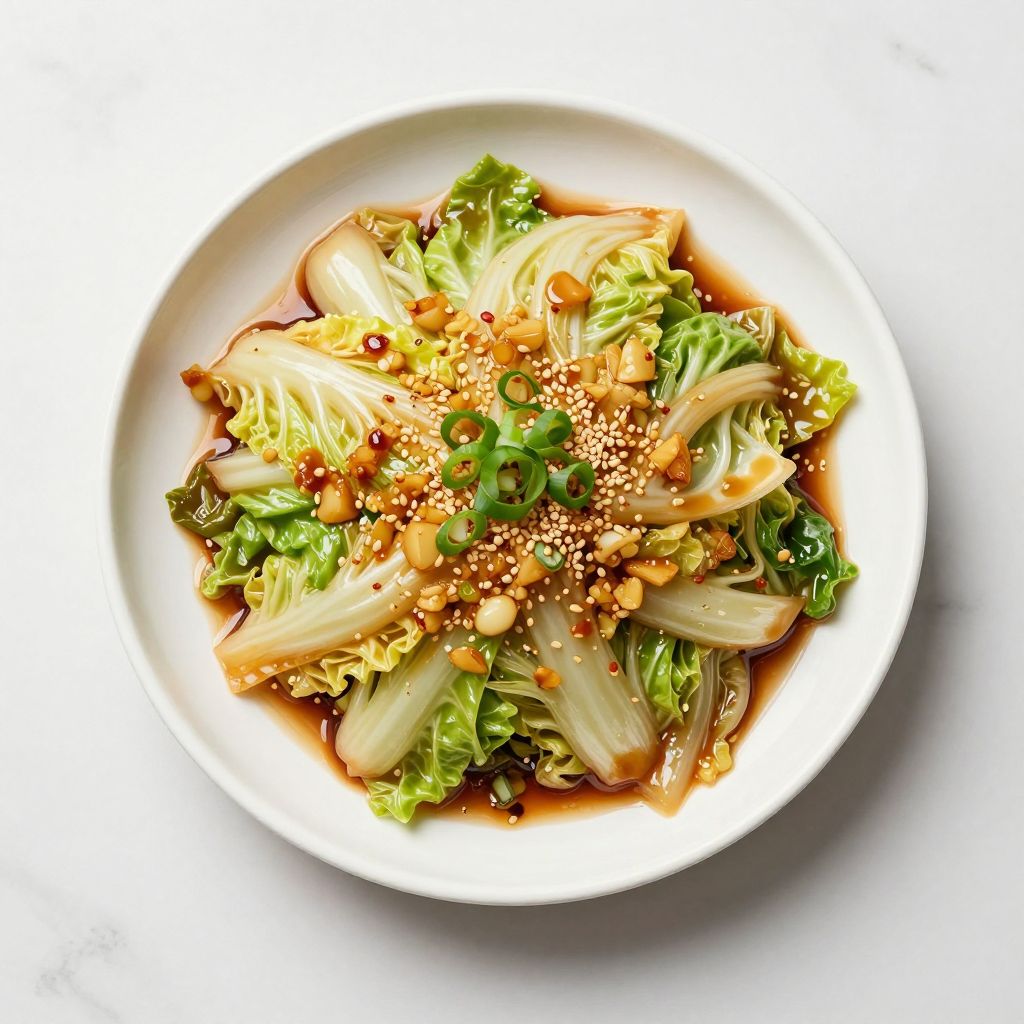
Sauteed Napa Cabbage with Garlic and Ginger
Ingredients
Equipment
Method
- Slice the napa cabbage into 1-inch pieces, rinse under cold water, and pat dry with paper towels.
- Peel and mince the garlic cloves and mince or grate the fresh ginger.
- In a small bowl, whisk together soy sauce, rice vinegar, and sesame oil; set aside.
- Heat a large skillet over medium-high heat for 1 minute, then add the neutral oil and swirl to coat.
- Add the minced garlic and ginger, stirring constantly for about 30 seconds until fragrant.
- Add the sliced napa cabbage to the pan and stir continuously for 2 minutes to begin wilting.
- Continue cooking, stirring occasionally, for 5 to 7 minutes until the cabbage is tender and edges develop a light golden char.
- Pour the sauce over the cabbage, toss to coat, and cook for an additional 1 to 2 minutes until the sauce reduces slightly.
- Taste and adjust seasoning with salt, white pepper, or extra soy sauce as needed.
- Remove from heat, transfer to a serving dish, and garnish with sesame seeds and sliced green onions if desired.